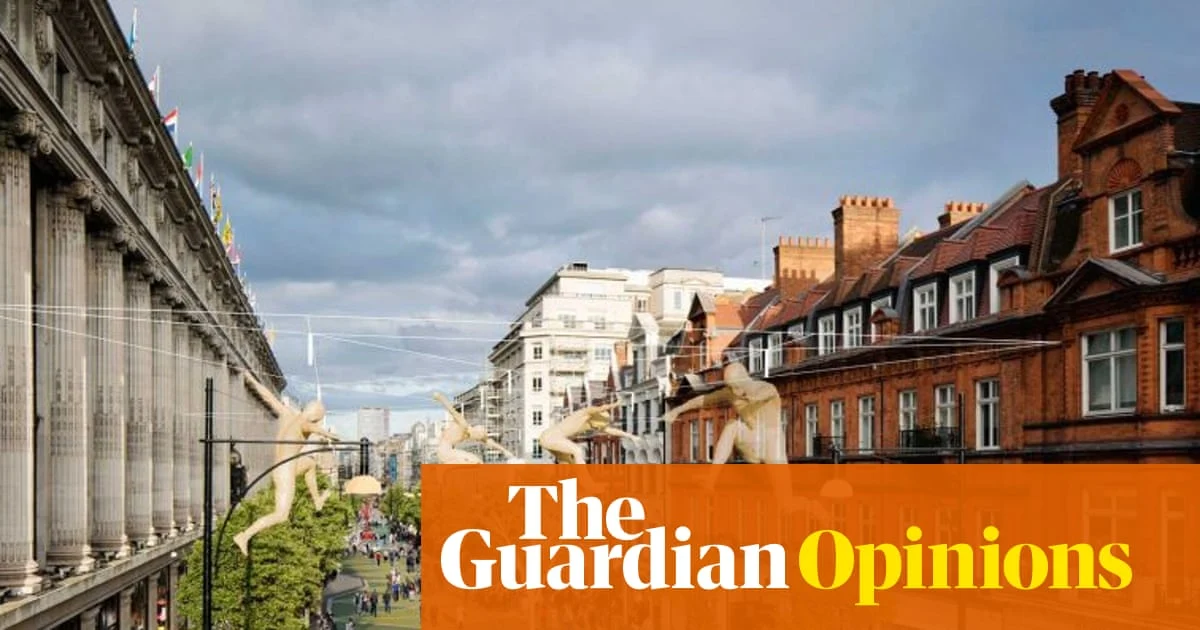
London’s Oxford Street has officially become traffic-free, with the final vehicle passing through around 8pm on Sunday evening.
Mayor Sadiq Khan announced the change as the first step in a broader plan to transform the historic shopping district, drawing inspiration from the founders of John Lewis and Selfridges who originally opened stores there.
Key Facts
- Oxford Street traffic-free after decades of debate, covering nearly one kilometre.
- Change took effect at approximately .
- Part of a wider plan includes new green spaces for arts and music.
- Sadiq Khan, mayor of London, outlined the vision for reviving in-person shopping.
- Inspiration drawn from John Lewis and Harry Gordon Selfridge, pioneers of the street.
How Did We Get Here?
Oxford Street has long been at the centre of discussions about urban planning and retail revitalisation. Decades of consultations and debates preceded this implementation, reflecting ongoing concerns about congestion, accessibility, and economic vitality.
The decision aligns with broader efforts to prioritise pedestrians over vehicles in major cities, echoing trends seen in other European capitals where historic streets have been repurposed for public use and cultural activities.
By removing vehicle access, authorities aim to create safer, more inviting environments that encourage footfall and support local businesses dependent on walk-in customers.
What Happens Next?
Beyond pedestrianisation, further developments are planned, including the introduction of green spaces dedicated to arts and music initiatives.
These additions seek to enhance Oxford Street’s appeal beyond traditional retail, positioning it as a multicultural hub hosting events and performances throughout the year.
The timetable for these additional phases remains unclear, though officials emphasised that this milestone marks “just the beginning” of a comprehensive redevelopment strategy designed to future-proof the area.
What We Know — and What We Don’t
Verified by the source:
- The switch to a traffic-free zone occurred on Sunday night around 8pm.
- Nearly one kilometre of Oxford Street is now car-free.
- Sadiq Khan is the mayor of London.
- The initiative draws influence from early 20th-century retail innovators like Harry Gordon Selfridge.
Still unconfirmed:
- Exact dates or timelines for upcoming green space installations.
- Projected costs associated with full-scale transformation.
- Specific measures to manage displaced traffic flows.
Why It Matters
Pedestrianising central urban corridors like Oxford Street reflects global shifts toward sustainable transport and experiential commerce, potentially setting precedents for similar high streets facing declining footfall due to online shopping.
What To Watch
Further details regarding the rollout of recreational zones and event programming are expected in early , alongside feedback from retailers and commuters adjusting to the new layout.