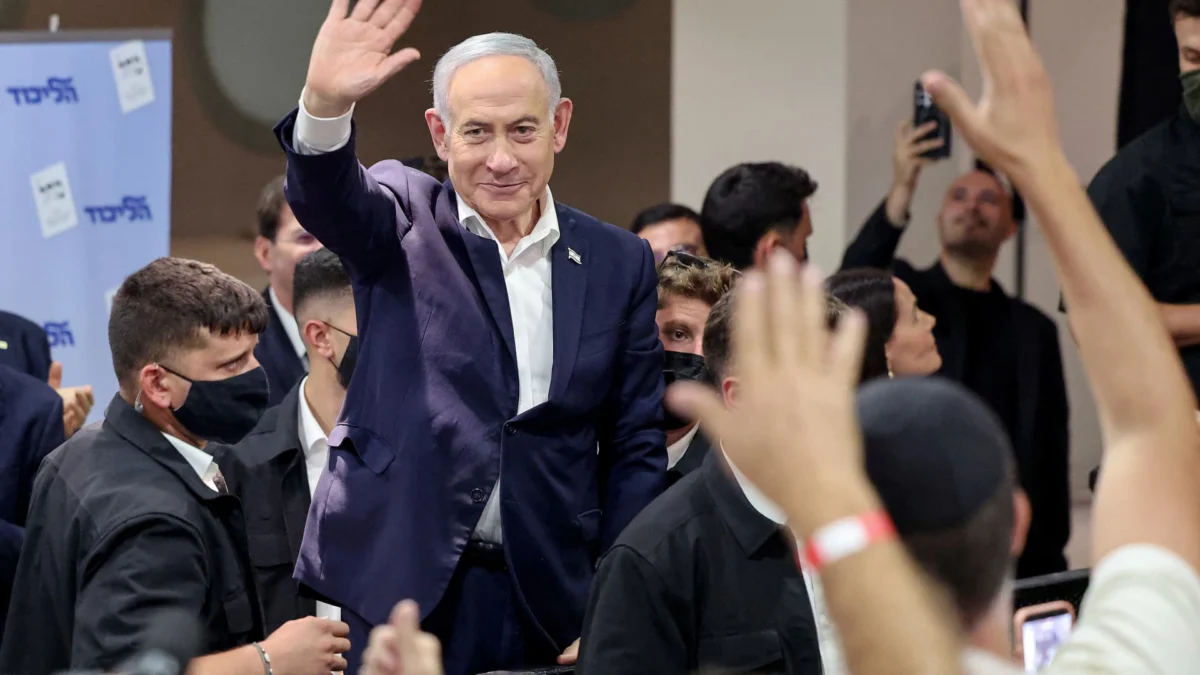
Israeli voters head to the polls on Tuesday to cast ballots in a general election heavily influenced by ongoing warfare, national security worries, and shifting coalition mathematics. The outcome is expected to reshape the country’s leadership and foreign policy direction, especially regarding regional conflicts and diplomatic ties.
The election comes at a tense moment for Israel, with multiple challenges shaping voter priorities. Issues such as security policy, economic stability, and international alliances are likely dominating debates ahead of polling day.
KEY FACTS
- Israeli voters head to the polls in a general election on Tuesday.
- The war, security, and coalition dynamics are central themes influencing the vote.
- Coalition math plays a decisive role in determining post-election governance.
- Security concerns remain high on the national agenda.
- The election reflects broader regional tensions.
The Story
What happens next?
Following the conclusion of voting on Tuesday, attention will pivot to the formation of a new government. With no single party expected to secure an outright majority, the process of building a governing coalition will begin immediately. These negotiations often take weeks or months and involve delicate trade-offs over policy portfolios, budget allocations, and ministerial appointments.
The complexity increases when security matters are tied to coalition agreements. Parties must balance domestic political calculations against the realities of maintaining public safety and managing international obligations. This dynamic raises the stakes for both outgoing leaders and emerging contenders.
In the interim, analysts expect continued scrutiny over defense spending, military readiness, and strategic partnerships. The incoming government may also face pressure to recalibrate approaches toward key regional actors and global institutions.
Who Is Affected?
Citizens across Israel are directly impacted by the electoral outcome, particularly those concerned with personal safety, employment prospects, and access to public services. Businesses operating within the country are equally attentive to potential shifts in taxation, regulation, and trade policies that could follow a change in administration.
Internationally, allies and adversaries alike watch closely for signals about Israel’s future posture on issues such as border security, counterterrorism cooperation, and participation in multilateral forums. Changes in leadership can alter diplomatic relationships or trigger renegotiations of existing accords.
Regional partners, too, may adjust their own strategies based on perceived strengths or vulnerabilities in Israel’s new configuration. Whether through formal declarations or quiet diplomacy, external actors often respond swiftly once election results become clear.
How Did We Get Here?
Months of political instability set the stage for this pivotal vote. Previous attempts at forming stable governments failed amid ideological divides and disagreements over judicial reform, leading to repeated cycles of campaigning and stalemate.
These tensions amplified public anxiety around law enforcement, civic trust, and institutional integrity—all themes now woven into campaign messaging. Simultaneously, developments abroad—including wars and diplomatic crises—have underscored the urgency of having unified command structures.
As election day arrives, voters must weigh past performance against promises of renewal. Their choice will determine not only who sits in parliament but also how Israel navigates an increasingly uncertain landscape at home and abroad.
What We Know — and What We Don’t
Verified by the source:
-
svg
- An Israeli general election is scheduled for Tuesday.
- The topics of war, security, and coalition politics are shaping voter considerations.
Still unconfirmed:
-
svg
- Specific polling data or candidate standings reported by the source.
- Exact implications for coalition negotiations or timelines involved.
- Detailed policy positions or statements made by individual candidates or parties.
Why It Matters
This election holds significant consequences for national governance, democratic norms, and regional stability. A shifting balance of power might influence everything from budget priorities to peace negotiations, affecting millions inside Israel and beyond. Understanding how war, security, and coalition dynamics intersect helps clarify why this moment carries such weight for domestic stakeholders and global observers alike.
What To Watch
Post-election developments, including the pace and outcome of coalition talks, remain crucial indicators of Israel’s near-term trajectory. Observers should monitor official results announcements and subsequent declarations from winning parties to assess how they intend to address core challenges like those tied to war, security, and governance.