LEDE
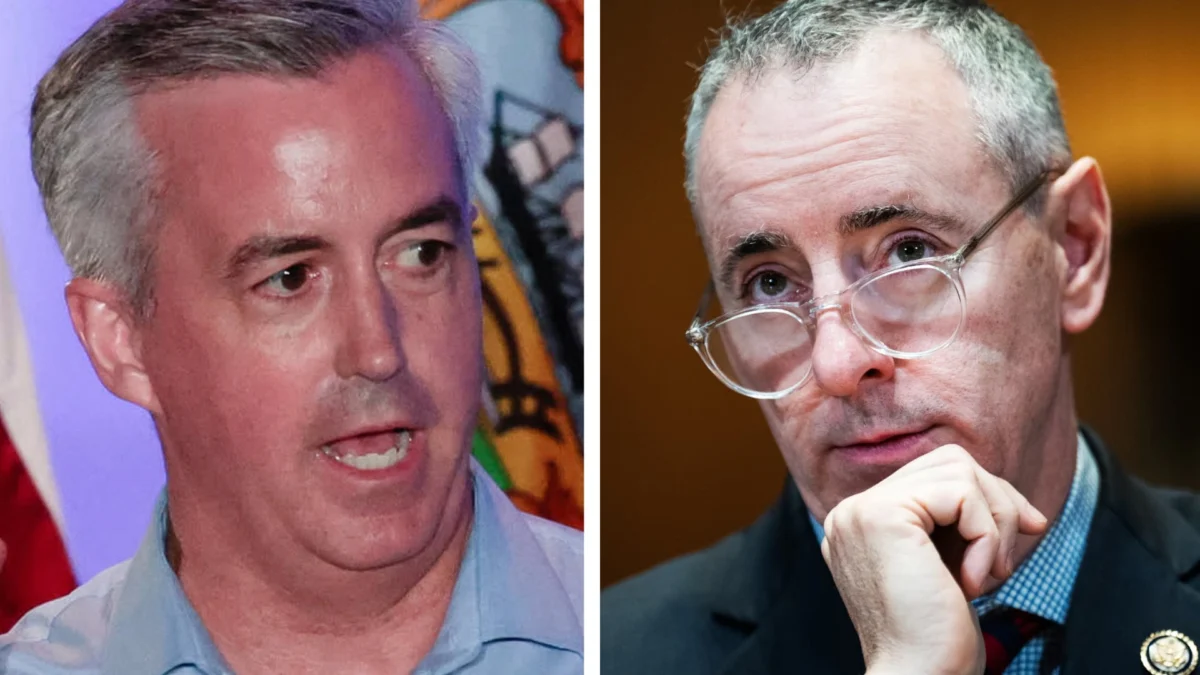
GOP Representative Brian Fitzpatrick is favored to defend his Pennsylvania swing seat, though Democrats view this election as a prime opportunity to unseat the veteran lawmaker and shift chamber control. Fitzpatrick has won his district before, but the national political environment remains uncertain. The race reflects broader tensions within his party and the country’s divided political landscape.
According to US Top News and Analysis, Democrats say the contest represents a strategic opening, while Fitzpatrick’s campaign emphasizes his record of bipartisan governance and independence from the White House. This dynamic has made the district a focal point for both parties ahead of the general election.
KEY FACTS
- GOP Rep. Brian Fitzpatrick has won his Pennsylvania swing seat before*.
- Democrats say this election is an opportunity to oust the veteran lawmaker*.
- Fitzpatrick has bucked Trump on key votes*.
- The race centers on the competitive Pennsylvania swing seat*.
THE STORY
What Makes This Race Competitive?
The Pennsylvania swing seat has flipped between parties several times in recent decades, thanks to shifting demographics and suburban voter sentiment. As national parties pour resources into key battlegrounds, the district is receiving increased attention. Fitzpatrick’s moderate profile sets him apart from most Republicans, which may help him hold on.
His campaign strategy focuses on local issues and pragmatic governance, while Democrats aim to tie him to national Republican policies they say hurt working families. Party-aligned groups have already begun airing ads, signaling high stakes for chamber control.
How Did We Get Here?
Fitzpatrick first entered Congress in 2016, capitalizing on an older, more affluent demographic in the district. Since then, he has survived multiple primary challenges from the right, reinforcing his reputation as a pragmatist who sometimes opposes his own party leadership. This posture has frustrated some conservative voters but earned him praise among centrists.
The current rematch is shaped by redistricting and evolving voter preferences, making turnout and messaging critical. Both sides acknowledge the seat’s importance in determining which party controls key committee assignments and legislative priorities.
Who Is Affected by the Outcome?
The result will impact not just Pennsylvania residents but also national legislative dynamics, especially if control of the chamber hangs in the balance. Advocacy groups, labor unions, and business interests are watching closely because the margin could determine which policies advance. A loss for Fitzpatrick might signal growing strength for Democrats in suburban districts nationwide.
For Fitzpatrick supporters, his continued presence would represent stability and moderation. For Democrats, flipping the seat would underscore momentum heading into future cycles and reinforce calls for bolder reforms.
WHAT WE KNOW — AND WHAT WE DON’T
Verified by the source:
- Fitzpatrick has previously won his Pennsylvania swing seat*.
- Democrats consider the race a chance to remove him*.
- Fitzpatrick has opposed Trump-aligned positions at times*.
Still unconfirmed:
- Exact fundraising totals or spending figures*.
- Specific policy stances that define the campaign*.
- Polls showing candidate standings*.
WHY IT MATTERS
Swing seats like this one often serve as barometers of national mood and can determine which party holds power in Congress. With divided government common in recent cycles, controlling even a single district can influence legislation, investigations, and confirmation battles that affect everyday Americans.
WHAT TO WATCH
Upcoming debates and candidate forums may clarify key policy disagreements. Observers expect national party committees to intensify involvement as Election Day approaches.