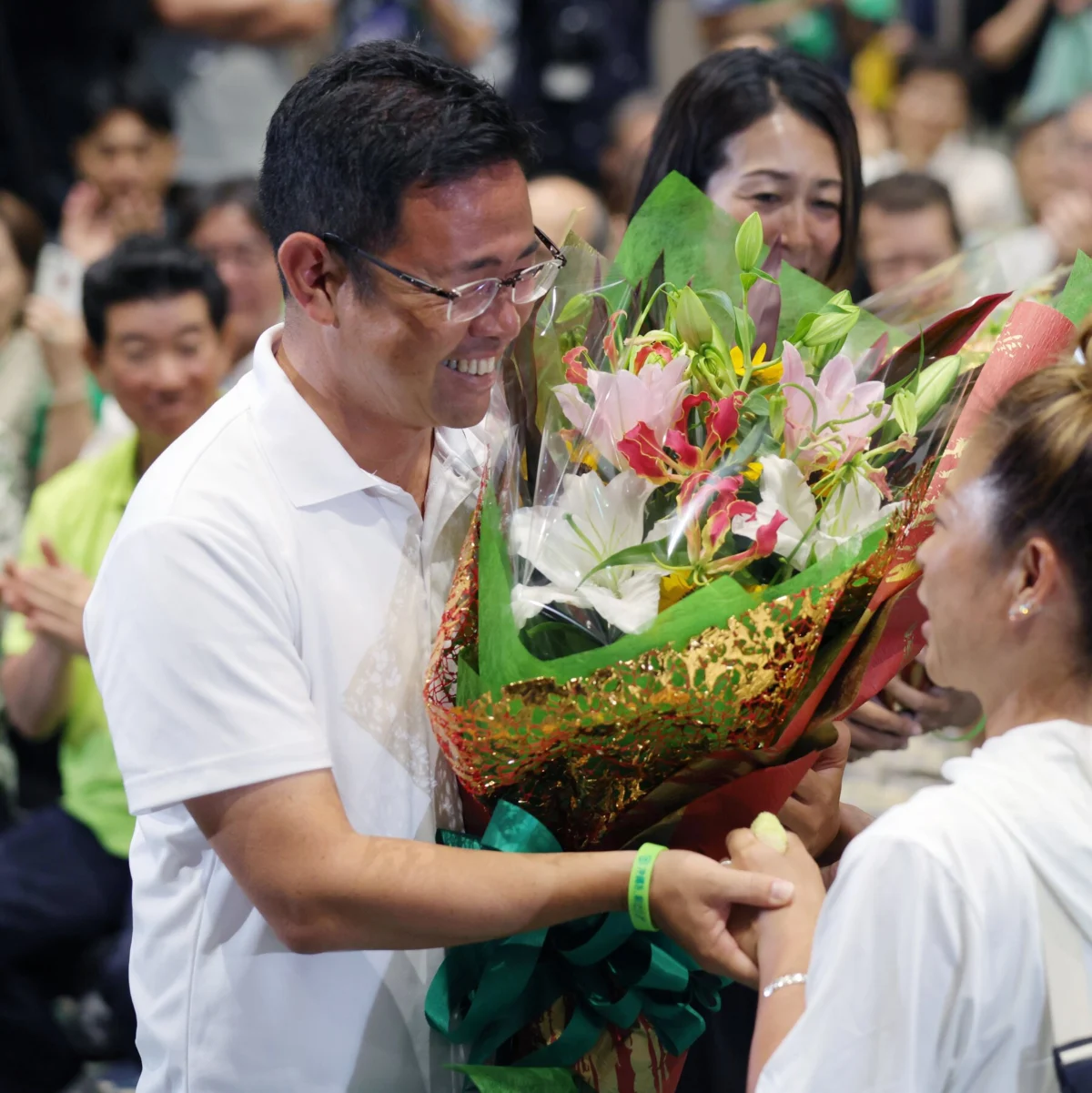
Okinawa has elected Genta Koja as its next governor, marking a conservative win that aligns with Japan’s hawkish government. His victory comes as concerns grow over regional security challenges and economic pressures. Koja’s win is seen as a boost for Japan’s prime minister, who has been pushing to accelerate military buildup and strengthen national defense capabilities.
Koja’s platform emphasized a tougher stance on regional security, particularly regarding China’s growing military presence and influence. The election result signals a shift in Okinawa’s political direction, potentially impacting local and national policies related to U.S. military bases and regional diplomacy. The outcome also reflects broader voter sentiment tied to economic stability amid rising costs and global uncertainty.
Key Facts
- Genta Koja elected as next governor of Okinawa.
- Victory supports Japan’s conservative national government.
- Election influenced by fears about China and the economy.
- Win may accelerate Japan’s military buildup efforts.
The Story
What happens next?
Following his election, Koja is expected to take office soon and begin shaping policy directions for Okinawa. His priorities will likely include navigating the complex relationship between local residents and the U.S. military presence on the island. At the national level, his conservative stance may reinforce support for Japan’s ongoing military modernization efforts. These moves come as Japan seeks to bolster its defense posture amid rising tensions in the East China Sea and broader regional instability. Koja’s leadership will be tested as he balances local concerns with national security objectives. His approach to base negotiations and budget allocations for defense cooperation will be closely watched by both domestic and international observers. The administration led by Prime Minister Ishiba has expressed support for strengthened bilateral ties with the United States, which could influence Okinawa’s policy landscape under Koja’s governance. His election also signals continuity in Japan’s strategic alignment with Western allies, particularly regarding response measures to geopolitical shifts involving China and other regional actors. As tensions persist across the Taiwan Strait and beyond, Okinawa’s role as a key strategic hub becomes increasingly significant. Koja’s ability to manage these dynamics will have implications not only for his constituents but also for broader national security frameworks. Observers anticipate that his tenure may bring renewed emphasis on integrated defense planning and enhanced interoperability with U.S. forces stationed across the region. This includes potential adjustments to the Status of Forces Agreement (SOFA), which has long been a point of contention in local politics. Whether Koja can navigate these sensitivities while maintaining strong national-level coordination remains to be seen.
Who is affected?
The people of Okinawa are directly impacted by this election result, especially those living near U.S. military installations. Local businesses, residents, and civic groups have long expressed concerns over noise pollution, land use disputes, and crime related to the military presence. Under Koja’s leadership, these issues may see renewed attention or policy shifts depending on his negotiation tactics with federal authorities. Nationally, Japan’s ruling party benefits politically from having a like-minded figurehead in such a strategically important prefecture. For China, the conservative tilt in Okinawa presents another layer of complexity in cross-strait relations, as it reinforces Japan’s alignment with U.S. security priorities. Regionally, countries like South Korea and Australia may view this as an opportunity to deepen trilateral cooperation with Japan and the United States. Meanwhile, investors and economists will monitor how Koja plans to address economic challenges, including inflation, energy costs, and infrastructure development. His administration’s fiscal health policies could either reassure markets or raise questions about long-term sustainability. Ordinary citizens in urban centers outside Okinawa may feel indirect effects through changes in national budget allocations toward defense spending. Academics and policy analysts will track whether Koja’s tenure leads to measurable shifts in Japan’s pacifist constitutional interpretation or defense expenditure ratios. His tenure begins at a time when Tokyo is weighing increases to its defense budget beyond the traditional 1% GDP threshold.
What We Know — and What We Don’t
Verified by the source:
- Genta Koja was elected governor of Okinawa.
- The election outcome favors conservative interests aligned with Japan’s prime minister.
- Fears about China and the economy played a role in voter sentiment.
- The result may influence military buildup decisions in Japan.
Still unconfirmed:
- Exact vote count or margin of victory.
- Koja’s specific policy timelines or implementation dates.
- Whether base relocation talks will intensify during his term.
- Official reactions from Chinese government officials.
Why It Matters
This election reflects evolving public opinion in a strategically vital region where local politics intersect with major-power competition. The outcome could shape Japan’s approach to defense spending, alliance management, and regional diplomacy at a time of heightened global uncertainty. Understanding these dynamics helps readers grasp how subnational elections play into larger national security narratives.
What to watch
Future developments include Koja’s formal inauguration, upcoming budget negotiations involving U.S. military costs, and possible diplomatic statements from Beijing. His early decisions may set precedents ahead of the next parliamentary session in Tokyo.