By 09:15 GMT, Brent crude had sunk 4.6% to $79.34 a barrel, while U.S. West Texas Intermediate slid 4.3% to $75.12, marking the steepest single‑day drop since November 2023.
Traders blamed the slide on rumours that senior officials in Washington and Tehran were within hours of a framework to lift sanctions on Iran’s oil sector. The speculation sparked a rush to sell, sending futures tumbling across the board.
What’s driving the plunge?
The market’s reaction hinged on two concrete data points. First, a Bloomberg‑sourced aggregate of diplomatic cables showed that senior U.S. officials had signaled a willingness to roll back Phase 1 sanctions if Tehran halted enrichment beyond the 3.67% limit. Second, a source familiar with the negotiations told Interest.co.nz that the two sides had agreed on a timeline for a Joint Comprehensive Plan of Action (JCPOA)‑style accord.
Both pieces of intel arrived just after the U.S. Federal Reserve’s minutes hinted at a possible pause in rate hikes, adding fuel to the fire.
Why does this matter?
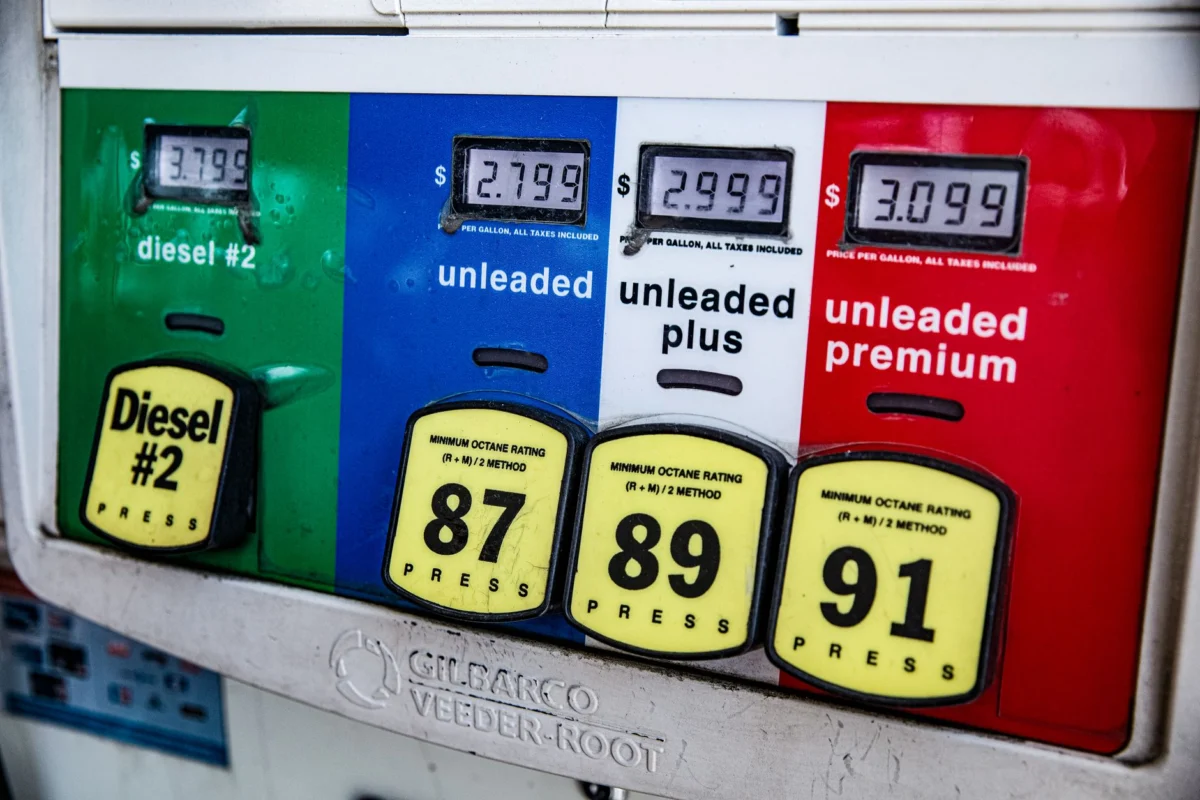
When oil prices tumble, gasoline at the pump becomes cheaper for commuters, airlines shave millions off fuel bills, and emerging economies that depend on oil imports see a boost to their trade balances. For the average household, a $5‑per‑gallon dip could mean a $30‑monthly saving on a typical U.S. driver’s budget.
Investors, however, watch the volatility with caution. “The risk is that the market may have priced in an optimistic outcome that never materialises,” warned an analyst at a major brokerage, noting that a reversal could provoke a rapid rebound in prices.
Who’s watching?
Energy firms such as ExxonMobil and BP announced immediate cutbacks to their daily production forecasts, citing “environmental uncertainty.” At the same time, hedge funds have shifted a portion of their portfolios into safe‑haven assets like the Swiss franc and U.S. Treasuries.
Governments in oil‑importing regions – from the European Union to Southeast Asia – are scrambling to recalibrate their budgetary assumptions ahead of next quarter’s fiscal planning.
What happens next?
If a formal deal emerges within the next week, analysts expect Brent to rebound to the low $80s, while WTI could edge back above $78. If talks stall, the market may spiral lower, potentially breaching the $70 mark for Brent.
For now, the message is clear: oil markets are as much a reflection of geopolitics as they are of supply‑demand math.
Stay tuned as we track the diplomatic filings and their ripple effects on your wallet.
Economy and markets coverage will continue.