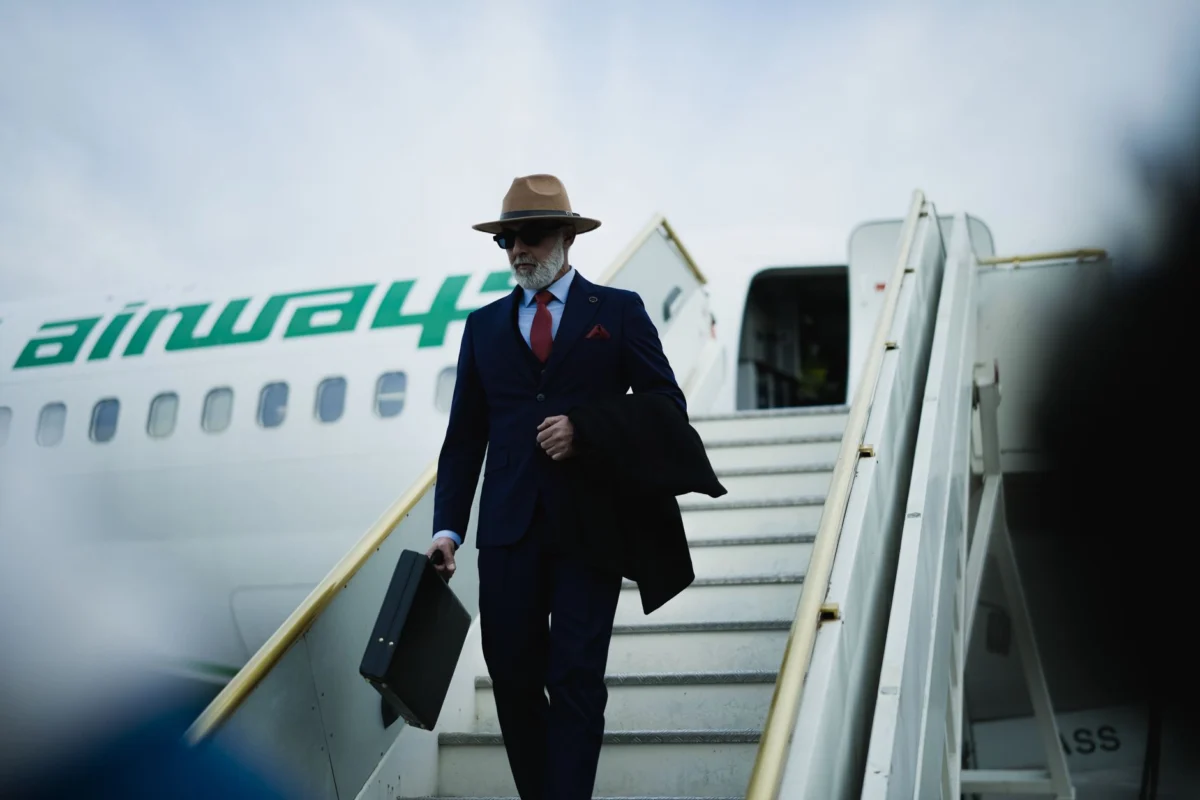
On Tuesday, Kevin Warsh walked into the Federal Reserve’s New York building carrying a briefcase, a coffee, and a reputation for deliberate decision‑making.
Warsh, a former Fed governor and long‑time ally of former Chairman Ben Bernanke, will fill the seat vacated by Madeline Kelley. Unlike the rapid‑fire policy pivots of the past two years, insiders say Warsh’s style suggests the committee will move at a glacial pace.
What does Warsh’s appointment mean for rates?
The markets have already priced in a 25‑basis‑point pause at the next meeting. With Warsh’s known predilection for data‑driven caution, analysts expect the Federal Open Market Committee to hold that pause and evaluate inflation trends more conservatively.
Warsh served on the Board of Governors from 2006 to 2009, a period that included the 2008 financial crisis. He earned a reputation for asking “what if” questions and for insisting on “sufficient evidence” before endorsing policy changes.
Why does this matter?
For homeowners with adjustable‑rate mortgages, a slower Fed means payments are unlikely to surge next quarter. For small‑business owners, credit costs stay predictable, easing budgeting pressures.
But the flip side is that a hesitant Fed could let lingering price pressures fester, extending the current 3.2% year‑over‑year inflation rate that the Bureau of Labor Statistics reported in March.
What happens next?
The next FOMC meeting on May 2 will be Warsh’s first vote. Observers will watch his comments for clues: will he echo Chair Jerome Powell’s “data‑dependent” stance, or push back for a longer “hold‑steady” approach?
Warsh’s own words are scarce; his last public remarks were a 2023 Senate hearing where he warned against “over‑reactive tightening.” That caution aligns with the Fed’s current “soft‑landing” narrative, but it also hints at a reluctance to hammer inflation aggressively.
Investors should brace for less volatility in Treasury yields. The 10‑year note, which has hovered around 4.1%, may stay in a narrow band as the committee’s deliberations stretch over weeks rather than days.
In the broader economy, a slow‑moving Fed could buoy consumer confidence. A Reuters poll found that 62% of households expect interest rates to stay “about the same” over the next six months, a sentiment that could translate into steadier spending.
Still, the risk remains that a delayed response to any uptick in core CPI could force the Fed into a sharper hike later in the year.
What to watch for
- Warsh’s statements during the upcoming press conference.
- Changes in the Fed’s forward guidance on the policy path.
- Inflation reports for April and May, especially core services.
Ultimately, Warsh’s arrival may not rewrite the Fed’s playbook, but it will likely add a deliberate footnote to every decision. As the committee’s rhythm slows, the ripple effects will be felt in mortgage rates, corporate borrowing, and everyday budgets.
Stay tuned as the Federal Reserve’s next chapter unfolds—slowly, but unmistakably.