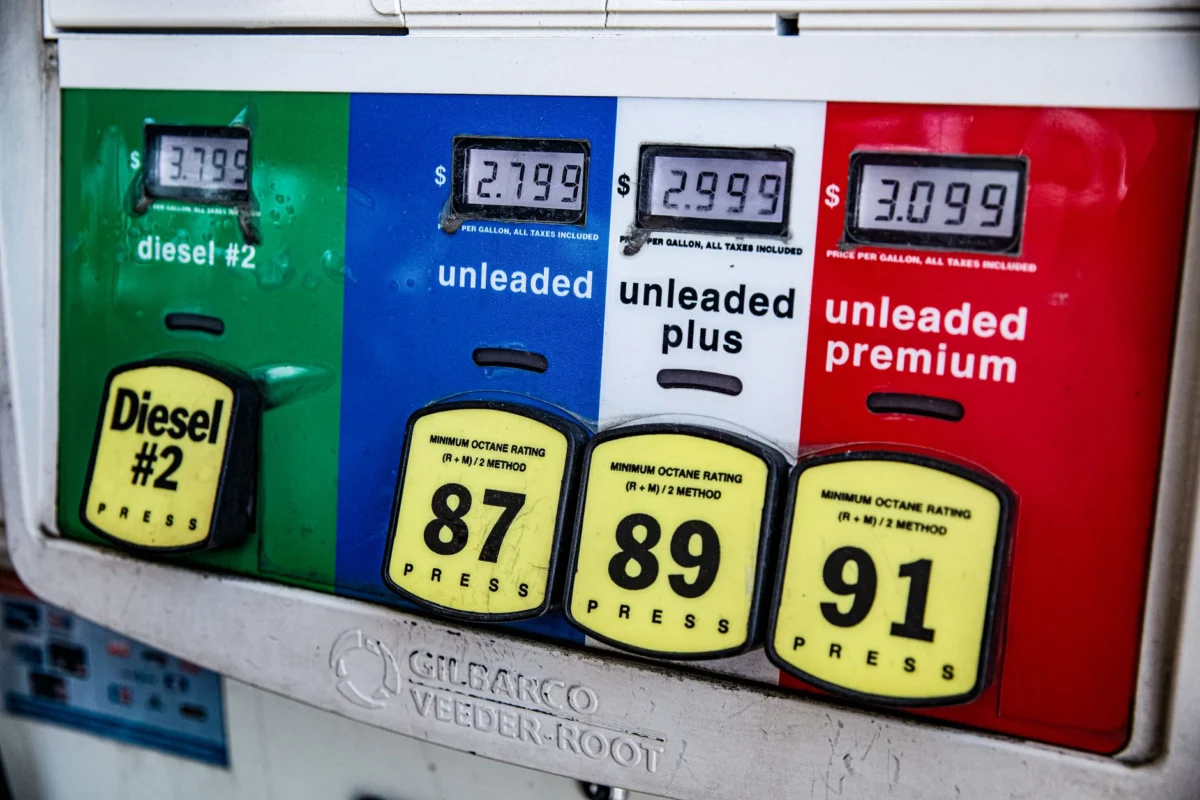
Oil prices fell as worries about a global supply glut outweighed concerns over potential Middle East disruptions, Reuters reports. The decline reflects market focus on ample inventories rather than geopolitical risk.
The movement underscores how oil prices respond to competing narratives: physical abundance versus political uncertainty. Traders appear to be pricing in the likelihood that production will keep outpacing demand, at least for now.
KEY FACTS
- Oil prices fall
- Supply glut concerns drive the decline
- Middle East disruption fears are offset
- Reported by Reuters
- No specific price change or percentage provided
THE STORY
How do supply and geopolitics interact?
Global oil markets constantly balance two forces: physical supply-demand fundamentals and geopolitical risk premiums. When producers pump more than the world consumes, inventories build and prices tend to drop. Conversely, threats to supply — such as conflict in major producing regions — can add a fear premium that pushes prices up.
In this case, the market has decided that the glut narrative dominates. That suggests traders see current production levels, including output from non-OPEC+ nations and possibly OPEC+ compliance, as sufficient to keep the market well-supplied despite any tension in the Middle East.
What does this mean for consumers?
Lower oil prices typically translate into cheaper gasoline, diesel, and heating fuel over time, though the pass-through is not immediate or one-to-one. Refining margins, taxes, and distribution costs all affect retail prices. For economies that import energy, a sustained decline can ease inflationary pressure and reduce trade deficits.
However, the relationship is not linear. If prices fall too far, producers may cut investment, leading to future supply shortfalls. Policymakers and central banks watch energy costs closely because they feed into broader inflation measures and influence monetary policy decisions.
WHAT WE KNOW — AND WHAT WE DON’T
Verified by the source:
- Oil prices declined
- Supply glut concerns were cited as the primary driver
- Middle East disruption fears were present but offset
- The report comes from Reuters
Still unconfirmed:
- Exact magnitude of the price move (dollars or percentage)
- Which specific benchmark (Brent, WTI, others) moved
- Timeframe of the decline (intraday, session, multi-day)
- Specific Middle East events driving disruption fears
- Whether OPEC+ policy or non-OPEC supply changes triggered the glut concern
- Market positioning or speculative flows behind the move
WHY IT MATTERS
Energy costs ripple through every sector of the economy. A sustained drop in oil prices can lower transportation and manufacturing costs, potentially easing consumer inflation. For energy-exporting nations, however, lower revenues can strain budgets and affect global investment flows. The balance between supply abundance and geopolitical risk remains a key variable for financial markets and economic forecasting.
WHAT TO WATCH
Upcoming inventory reports from the EIA and API, OPEC+ meeting outcomes, and any escalation in Middle East tensions could shift the narrative. Official production data and demand forecasts from the IEA and OPEC will also clarify whether the glut perception is justified.