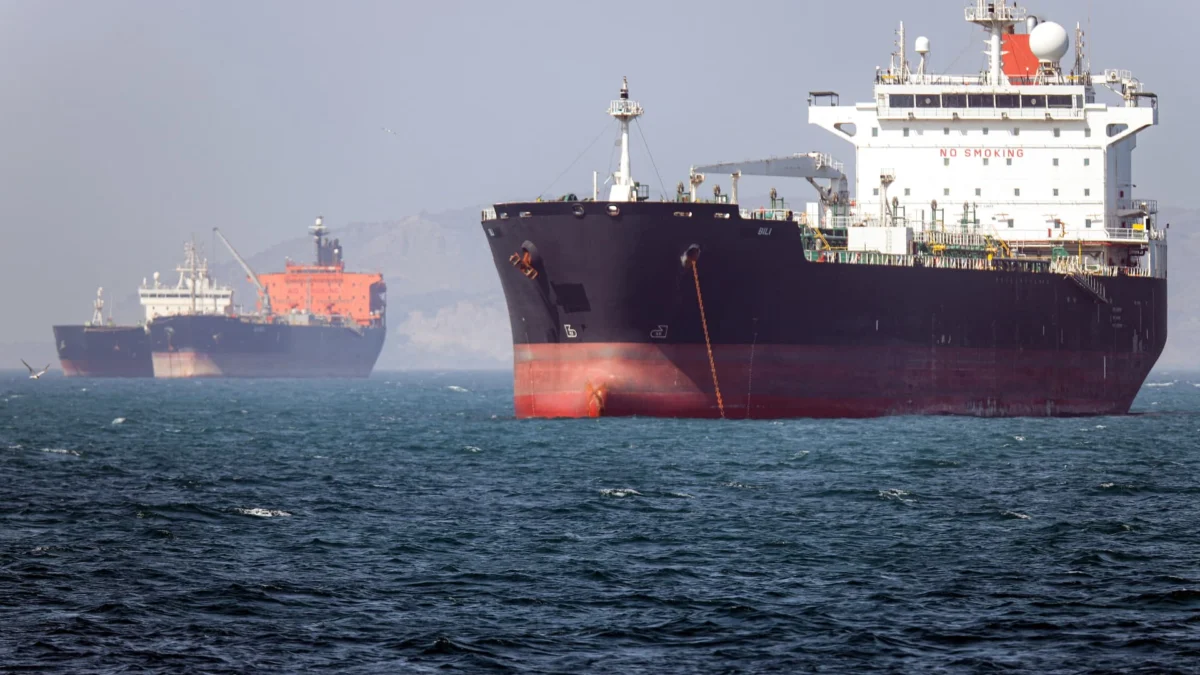
Nearly 20 commercial ships, mostly tankers, have come under attack over the past month while sailing through the Hormuz choke point, raising concerns about the safety of oil exports moving through the Strait of Hormuz attacks. These incidents highlight the ongoing vulnerability of one of the world’s most important maritime oil transit routes. The Strait of Hormuz, which connects the Persian Gulf to the Arabian Sea, is a critical passage for a large share of global oil shipments. Disruptions in this narrow waterway can have immediate effects on oil prices and energy markets worldwide. Analysts tracking the Strait of Hormuz attacks warn that a sustained escalation could threaten not only oil supply chains but also broader efforts to stabilize global energy markets. The recent surge in vessel attacks underscores the fragile security environment in the region and the challenges faced by commercial operators navigating these waters.
KEY FACTS
- Nearly 20 commercial ships attacked over the past month.
- Most of the vessels targeted were tankers.
- Attacks occurred in the Strait of Hormuz.
- Concerns raised about rebounding oil exports.
Background on the Shipping Route
The Strait of Hormuz serves as a vital artery for global energy trade, with roughly one-fifth of the world’s petroleum liquids passing through its narrow channels daily. Any disruption to shipping lanes in this area can cause sharp movements in crude oil prices, as traders react to supply concerns. Commercial tanker operators have long voiced concern about the risks of navigating these waters, citing incidents of sabotage, mines, and harassment by state-backed forces. The recent increase in reported attacks over a single month suggests a potential shift in tactics, possibly signaling heightened tensions in the region. Energy market participants are now closely monitoring developments that could further complicate already sensitive supply routes.
What happens next?
Maritime security experts say the frequency of incidents near the Strait of Hormuz attacks will likely dictate whether commercial insurers adjust premiums or reroute vessels altogether. Regional navies and international coalitions have previously responded to spikes in violence by increasing patrol presence, though concrete deployments have not yet been confirmed in conjunction with these latest events.
Why It Matters
Interruptions in oil flows through the Strait of Hormuz can send ripple effects across global energy prices, affecting consumers and governments alike.
WHAT WE KNOW — AND WHAT WE DON’T
Verified by the source:
- Nearly 20 commercial ships were attacked in the past month.
- Most attacked vessels were tankers.
- Incidents occurred in the Strait of Hormuz.
- Rebounding oil exports were flagged as vulnerable.
Still unconfirmed:
- The exact identities of the attackers.
- Precise dates and times of each incident.
- Casualty or damage details from the attacks.