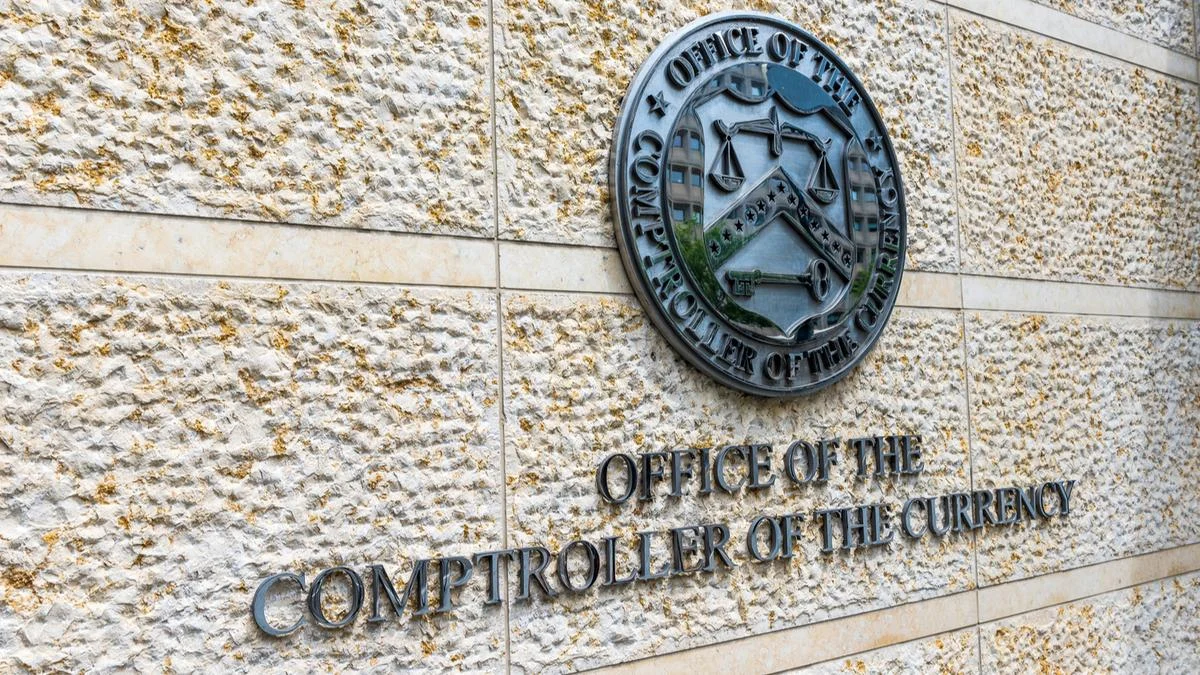
The U.S. banking regulator known as the Office of the Comptroller of the Currency is encouraging smaller lenders to develop stablecoin services as new federal licensing requirements approach. This push reflects growing institutional interest in stablecoin payments and broader digital asset adoption within the U.S. financial system. The move signals increasing regulatory attention toward stablecoins and how traditional banks might integrate them.
Banking regulators are watching how community banks respond to evolving digital payment technologies, especially those backed by stablecoins. By inviting smaller institutions to enter the stablecoin payments market, the OCC appears to be promoting competition and innovation among lenders that historically serve local communities. This could reshape how everyday transactions are processed across regional and rural areas.
KEY FACTS
- The OCC is urging community banks to adopt stablecoin payments.
- New federal licensing requirements are prompting this call to action.
- The goal is to expand participation in the stablecoin payments sector.
What Happens Next?
The OCC has not specified a timeline for when these federal licensing requirements will take effect or whether they will mandate stablecoin engagement for community banks. However, the mere act of encouraging entry suggests growing regulatory clarity around stablecoin payments. Banks are likely assessing compliance risks, operational costs, and customer demand before committing resources to build such services. Industry observers expect further guidance from regulators on how stablecoin payments fit into existing frameworks. For now, community banks must weigh potential benefits against uncertainties in policy and technology.
Regulatory developments in trading-crypto have already sparked debate about financial inclusion and innovation. If more community banks pursue stablecoin services, it may influence future oversight approaches. Meanwhile, economy-markets participants continue evaluating stablecoins’ role in mainstream finance.
Who Is Affected?
Community banks—smaller lenders often serving tight-knit regions—are directly targeted by the OCC’s outreach. These institutions typically manage deposits, loans, and basic payment services for individuals and small businesses in specific geographic areas. By encouraging them to explore stablecoin payments, the OCC aims to democratize access to emerging fintech tools. Additionally, customers of these banks could gain exposure to faster, cheaper cross-border transfers via blockchain networks. Larger financial firms have been experimenting with stablecoins for years, so this shift levels the playing field somewhat. Yet concerns remain over security risks, reserve backing, and consumer protection implications tied to stablecoin payments.
Still, many community banks lack dedicated cryptocurrency teams or infrastructure, limiting their ability to scale stablecoin initiatives quickly. Regulatory ambiguity also complicates implementation timelines.
How Did We Get Here?
Growing usage of stablecoins like USDC and DAI outside traditional banking channels prompted regulators to reconsider their stance toward stablecoin payments. Previously resistant to private-sector digital currencies, agencies now see value in integrating them safely through licensed institutions. The OCC’s strategy aligns with efforts by other global regulators seeking to harness innovation without compromising financial stability. In recent speeches, officials highlighted stablecoins’ potential to reduce friction in remittances and micropayments. Federal frameworks under development aim to ensure transparency, interoperability, and robust risk management practices.
These evolving rules suggest an opening window where early adopters among community banks might influence next-gen payment system designs. But challenges persist regarding cybersecurity, audit standards, and liability protocols governing stablecoin payments.
What We Know — and What We Don’t
Verified by the source:
- The OCC encourages community banks to develop stablecoin services.
- New federal licensing requirements are influencing this recommendation.
- Stablecoin payments represent the core opportunity being promoted.
Still unconfirmed:
- Specific details of the proposed federal licensing regime.
- Names of participating community banks or pilot programs.
- Timeline for rollout or anticipated adoption rates.
Why It Matters
Stablecoin payments could challenge dominant card networks and bring unbanked populations online faster than conventional methods. For readers tracking trading-crypto, this represents a pivotal moment where policy meets practical application at scale.
What To Watch
Future OCC announcements and interagency coordination will reveal whether stablecoin payments become standard offerings for U.S. community banks. A clearer licensing roadmap would help lenders plan accordingly.