Lede
A security researcher reported that a Keystone website breach exposed hardware wallet buyers’ addresses, potentially endangering crypto holders through targeted scams and physical threats.
The breach involved shipping details tied to hardware wallet purchases, according to a report cited by Cointelegraph.com News. Affected individuals may now face increased exposure to fraudulent schemes designed to exploit knowledge of their physical locations and crypto holdings.
This incident underscores growing cybersecurity concerns within the cryptocurrency industry, particularly for companies handling sensitive customer data tied to high-value digital assets.
KEY FACTS
- Subject: Keystone
- Event: Website breach
- Exposed Data: Hardware wallet buyers’ addresses
- Risk: Targeted scams and physical attacks
- Source: Security researcher
The Story
What happens next?
The full scope of the Keystone website breach remains unclear, including how many users were affected or whether additional customer information was accessed. Cointelegraph.com News reported that a security researcher initially identified the vulnerability, warning that exposed shipping details pose serious risks to hardware wallet owners.
Hardware wallet users often store large amounts of cryptocurrency offline, making them attractive targets for both cybercriminals and physical attackers. With access to real names and residential addresses, bad actors could craft phishing campaigns or orchestrate in-person threats aimed at extracting private keys or devices.
While Keystone has not yet released an official statement, experts emphasize the importance of securing all points of contact between crypto firms and consumers. The breach highlights how even seemingly minor data leaks can enable sophisticated attacks in the decentralized finance space.
Who is affected?
Anyone who purchased a hardware wallet directly through the Keystone website during the period when user data was stored insecurely may be impacted. These individuals likely had their names and shipping addresses exposed as part of the breach, increasing their risk profile significantly.
Crypto investors using hardware wallets are typically cautious about digital security, yet many assume that basic retail platforms maintain adequate protections. This assumption was proven flawed in the case of the Keystone website breach, which compromised a foundational layer of trust between vendor and customer.
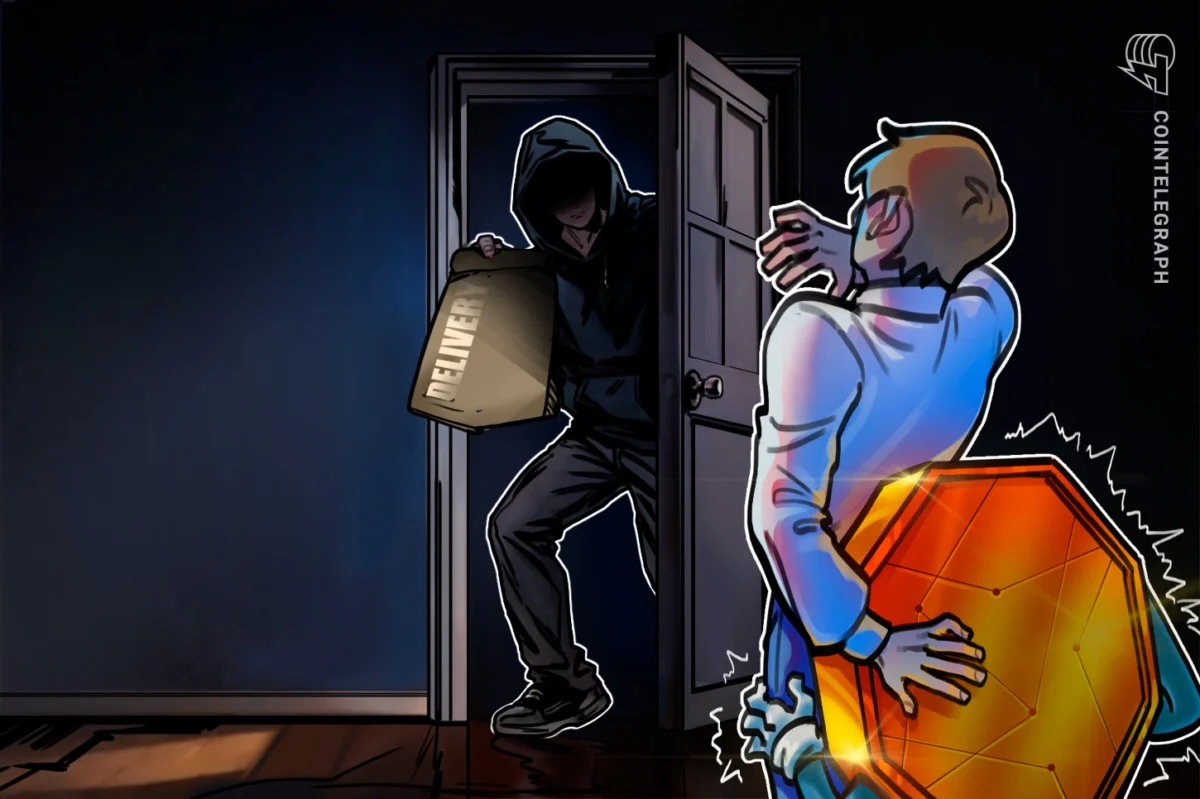
The potential consequences extend beyond simple identity theft. Scammers could use the leaked information to impersonate support staff or delivery services, attempting to manipulate users into revealing sensitive authentication credentials or handing over their devices.
What We Know — and What We Don‗t
Verified by the source:
- A security researcher identified the Keystone website breach
- Buyer addresses linked to hardware wallet purchases were exposed
- Leaked data poses risks of targeted scams and physical attacks
Still unconfirmed:
- Total number of affected accounts or transactions
- Exact timeline of the breach or discovery
- Whether other types of personal or financial data were accessed
- If any malicious use of the leaked data has already occurred
Why It Matters
As demand for hardware wallets grows amid rising interest in self-custody solutions, protecting consumer data becomes critical. Even limited breaches like this one can erode confidence in crypto infrastructure and expose users to real-world harm, highlighting the need for stricter vendor-side security standards across the trading-crypto ecosystem.
What To Watch
Stakeholders should monitor for any official response from Keystone regarding remediation efforts or notifications sent to affected customers. Further details on the extent of the exposure may emerge if regulatory bodies decide to investigate the handling of user data post-breach.