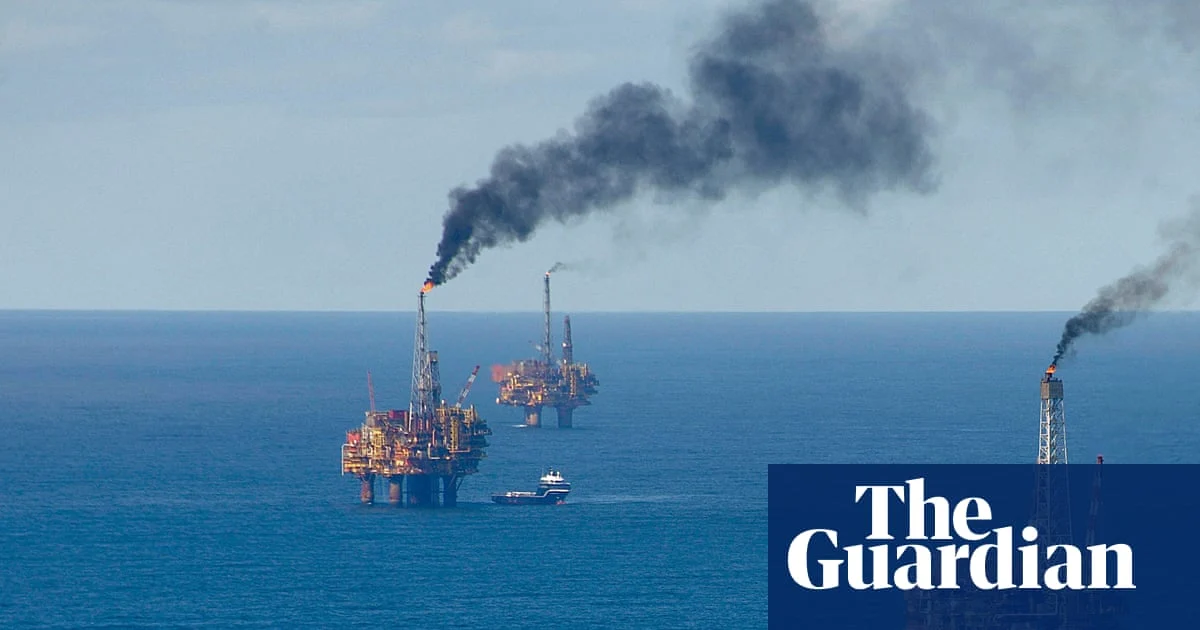
The discovery of North Sea oil in 1969 marked a turning point for the UK economy, transforming the country into a major energy producer and symbol of national renewal. Today, these dwindling reserves remain a contentious political issue, entangled in debates about energy security, economic priorities, and environmental concerns.
KEY FACTS
- Oil was first discovered off Scotland’s northeast coast in September 1969
- The initial sample was collected in a pickle jar from the rig’s canteen
- North Sea oil became a driving force of the British economy
- The basin remains a symbol of national power despite declining reserves
- The resource has become a political debate flashpoint
HOW NORTH SEA OIL SHAPED BRITAIN
The accidental discovery by an Amoco duty superintendent – who transported the first sample in improvised containers – blossomed into an industry that powered Britain through the OPEC oil crisis. The North Sea basin’s development coincided with a period of economic transformation, providing energy security and government revenue when both were urgently needed.
WHY DOES THIS STILL MATTER POLITICALLY?
Though past its production peak, North Sea oil remains politically significant. The infrastructure and jobs it created continue to influence energy policy debates. The basin’s symbolic value as a source of national pride and independence persists even as actual reserves decline, making it a potent reference point in political discourse about Britain’s future energy mix.
WHAT WE KNOW — AND WHAT WE DON’T
Verified by the source:
- Initial discovery occurred September 1969
- First sample collected in makeshift containers
- North Sea oil became economically transformative
Still unconfirmed:
- Current production levels and remaining reserves
- Specific policy positions of current UK government
- Economic impact compared to other sectors today
WHY IT MATTERS
The North Sea oil story exemplifies how natural resources can shape national identity and political debates long after their economic prominence fades. The tension between practical energy needs, environmental concerns, and symbolic value makes this a continuing flashpoint in UK politics.
WHAT TO WATCH
Political debates about North Sea oil’s future will likely intensify as Britain balances energy security with climate commitments. Decisions about new exploration licenses could become particularly contentious. For more on energy policy debates, see our politics coverage.