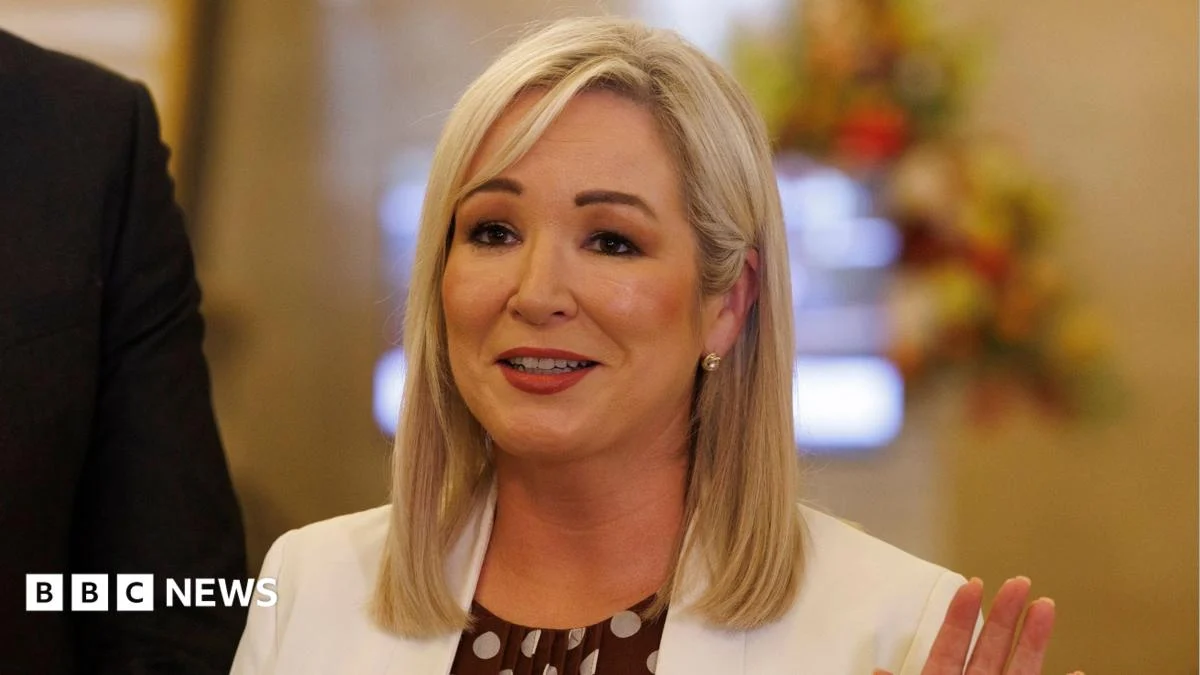
The Democratic Unionist Party (DUP) has blocked joint political engagements involving Sinn Féin leader Michelle O’Neill over the Drumcree parade dispute, BBC News reports. DUP leader Gavin Robinson confirmed that DUP ministers will not take part in planned meetings with O’Neill, though other parties may continue dialogue.
This move follows protests at the annual Drumcree Orange Order parade near Portarlington in County Armagh, where demonstrators gathered at a interface between nationalist and unionist communities. The DUP’s decision affects cross-community political cooperation and raises questions about the functioning of Northern Ireland’s devolved government.
KEY FACTS
- Michelle O’Neill‘s engagements are blocked by the DUP over the Drumcree dispute.
- Gavin Robinson, DUP leader, confirmed the party will not attend joint meetings with Sinn Féin.
- Emma Little-Pengelly, a DUP minister, will also avoid joint engagements with O’Neill.
- The blockade relates to protests during the Drumcree parade in County Armagh.
What Happens Next?
The DUP has not specified how long its engagement restrictions will last or if they could be lifted. Other parties, including the Social Democratic and Labour Party (SDLP) and the Alliance Party, may still be able to hold meetings with Sinn Féin. The Northern Ireland Executive and Assembly continue to operate, though reduced cooperation between unionist and nationalist parties could affect policy decisions.
Political unionism in Northern Ireland has long used cross-community mechanisms to manage disputes between Protestant unionist/loyalist and Catholic nationalist/republican communities. The Good Friday Agreement established institutions requiring both traditions to work together, with consent from both communities required for major decisions. Tensions often flare around cultural events such as parades, flags, and language rights.
Who Is Affected?
Beyond Sinn Féin and the DUP, the public service and civic groups may find fewer opportunities for coordinated political engagement. Northern Ireland Secretary Hilary Benn is expected to monitor the situation closely, though no public statement from Westminster was included in the BBC report. Community groups in the Drumcree area continue their efforts to maintain peace despite recent tensions.
How Did We Get Here?
The Drumcree parade controversy has resurfaced periodically since the late 1990s, particularly around Orange Order marches near nationalist areas. Previous protests and policing decisions led to riots in 1998 and ongoing diplomatic attention. While large-scale violence has decreased since the Good Friday Agreement, symbolic disputes over parades remain flashpoints for communal tension.
What We Know — and What We Don’t
Verified by the source:
- Michelle O’Neill‘s engagements blocked by DUP over Drumcree.
- Gavin Robinson confirmed DUP ministers will not join meetings with her.
- Emma Little-Pengelly will not participate in joint engagements with O’Neill.
- The context is the Drumcree parade dispute in County Armagh.
Still unconfirmed:
- No timeline given for when DUP restrictions might end.
- No direct quote from Robinson or Little-Pengelly provided.
- Casualty figures, protest size, or exact location of demonstrations not stated.
- No official response from Sinn Féin or Westminster included.
Why It Matters
This development underscores how cultural and symbolic issues can still disrupt Northern Ireland’s political cooperation, even decades after the peace process. Effective governance requires cross-community consent, and blockades by one party can stall joint initiatives or policy coordination across departments.
What To Watch
Further statements from the DUP or other parties are expected as tensions persist. Community leaders and political officials may seek mediated talks to resolve the standoff.