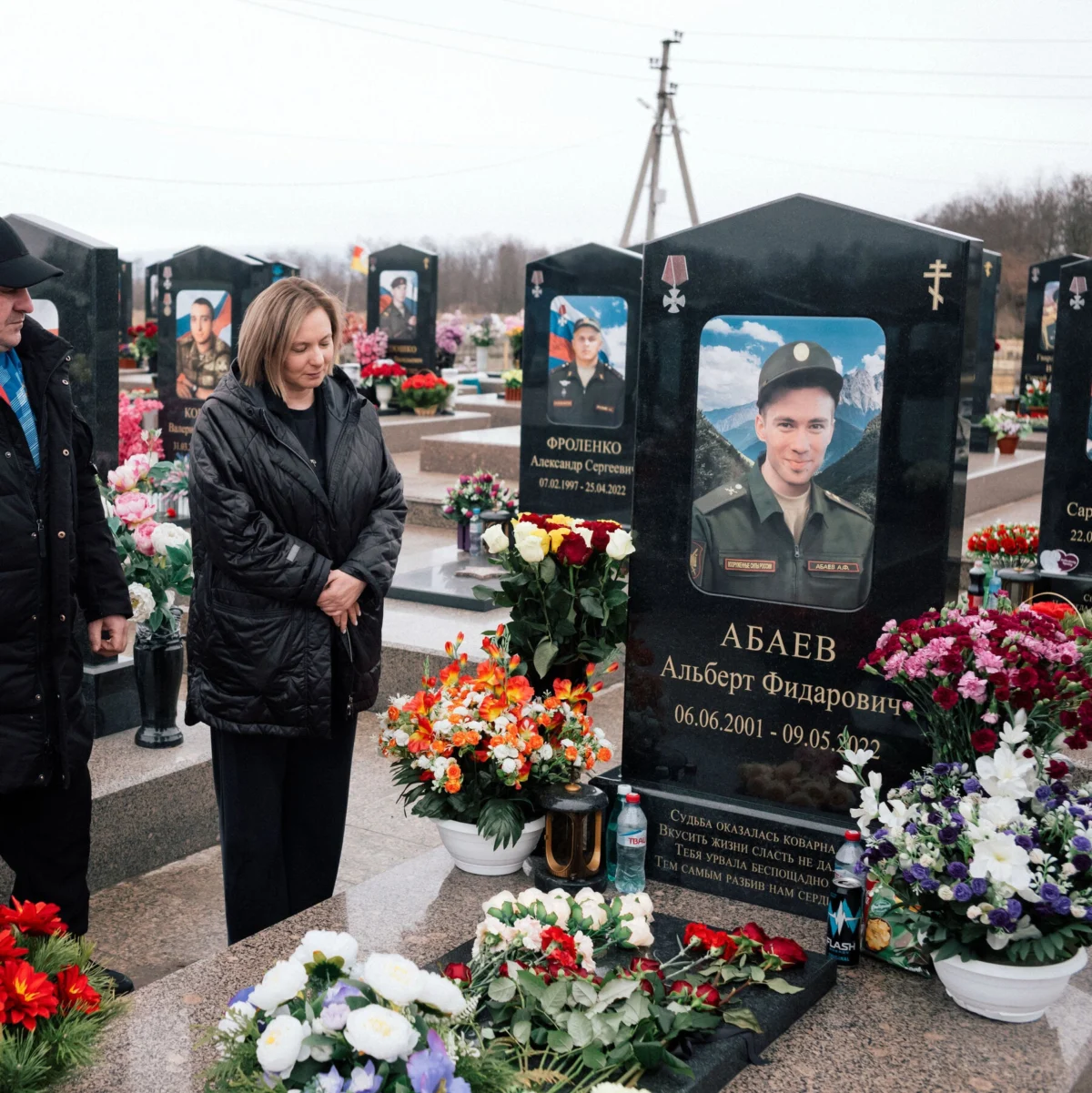
Despite heavy losses on the battlefields of Ukraine, many families in Russia’s North Ossetia region continue to back the war, accepting the Kremlin’s position that fighting must not stop until victory is secured.
In North Ossetia, communities are coping with a disproportionate toll from the fighting in Russia’s war, yet public sentiment largely remains aligned with official messaging. Local mourning rituals and public statements reflect a commitment to seeing the campaign through to its declared end state. Russia’s war has become deeply woven into daily life here, with schools, civic groups, and religious institutions echoing calls for perseverance.
Key Facts
- North Ossetia is a Russian region bearing a heavy toll from the fighting in Russia’s war in Ukraine.
- Sons from North Ossetia are dying on battlefields in Ukraine.
- Many residents still back the war effort despite personal losses.
- Support is tied to the Kremlin’s insistence that fighting continue until victory is secured.
The Human Cost in North Ossetia
Families across North Ossetia have received news that their sons did not return from the front lines of Russia’s war in Ukraine. Funerals have become a recurring presence in villages and towns throughout the mountainous region, where young men enlisted or were mobilized to serve. Grief has settled into communities, but it has not translated into broader public opposition to the war. Instead, many families express pride in their sons’ sacrifice and frame their deaths as serving a greater purpose. Religious leaders and local officials have reinforced messages of duty and resilience, helping sustain popular will even as the death toll climbs. The Kremlin has consistently framed the conflict as existential, arguing that retreat would only prolong suffering. This narrative finds fertile ground in a region where state media dominates public discourse and independent reporting is limited. Local schools hold commemorative events, and parents speak openly of loss while still endorsing the need to see Russia’s war through to its conclusion.
Who Is Affected?
The burden of Russia’s war falls heaviest on small communities like those in North Ossetia, where entire generations of young men have been swept into military service. Parents, siblings, and extended families gather in homes dimmed by loss, yet many maintain unwavering public support for the war effort. This resilience mirrors patterns seen in other heavily impacted Russian regions, where loyalty to national leadership often outweighs personal grief. Local economies have adjusted to absorb waves of returning veterans and families navigating long-term hardship. Social services report increased demand for counseling and financial assistance, but state funding has not always kept pace. At the same time, community organizations and religious groups have taken on new roles in providing support. The emotional weight of Russia’s war continues to shape everyday conversations, from market stalls to place of worship.
What happens next?
As North Ossetia continues to mourn its dead, the trajectory of Russia’s war remains uncertain. Officials have not signaled any shift in strategy, maintaining that victory must precede any negotiation. Families interviewed locally expressed readiness to endure further losses if deemed necessary for a final outcome. Regional leaders continue to amplify state narratives, reinforcing unity even as questions about sustainability grow. The coming months may test whether current levels of public support can withstand prolonged casualties. For now, communities in North Ossetia prepare for more funerals, while still backing the fight. Reporting draws solely from analysis and interviews conducted in the region as published by NYT > World News, which noted that grief and resolve often coexist in these households.
What We Know — and What We Don’t
Verified by the source:
- Sons from North Ossetia are dying on battlefields in Ukraine.
- Many residents in North Ossetia continue to support the war despite losses.
- Support persists due to belief in achieving full victory.
Still unconfirmed:
- Exact number of casualties from North Ossetia.
- Specific statements made by unnamed officials or residents.
- Detailed timeline of recent battlefield losses.
- Broader polling data on regional public opinion.
Why It Matters
Public opinion in regions like North Ossetia plays a quiet but powerful role in sustaining long wars. When communities endure loss without public dissent, it gives leaders space to press forward politically and militarily. Understanding where resolve holds—and where it cracks—offers clues about Russia’s war endurance over time. These local dynamics matter far beyond regional borders.
What To Watch
Future funerals and civic responses in North Ossetia may signal shifts in morale or messaging. Watch for changes in official rhetoric or signs that public fatigue begins to surface.