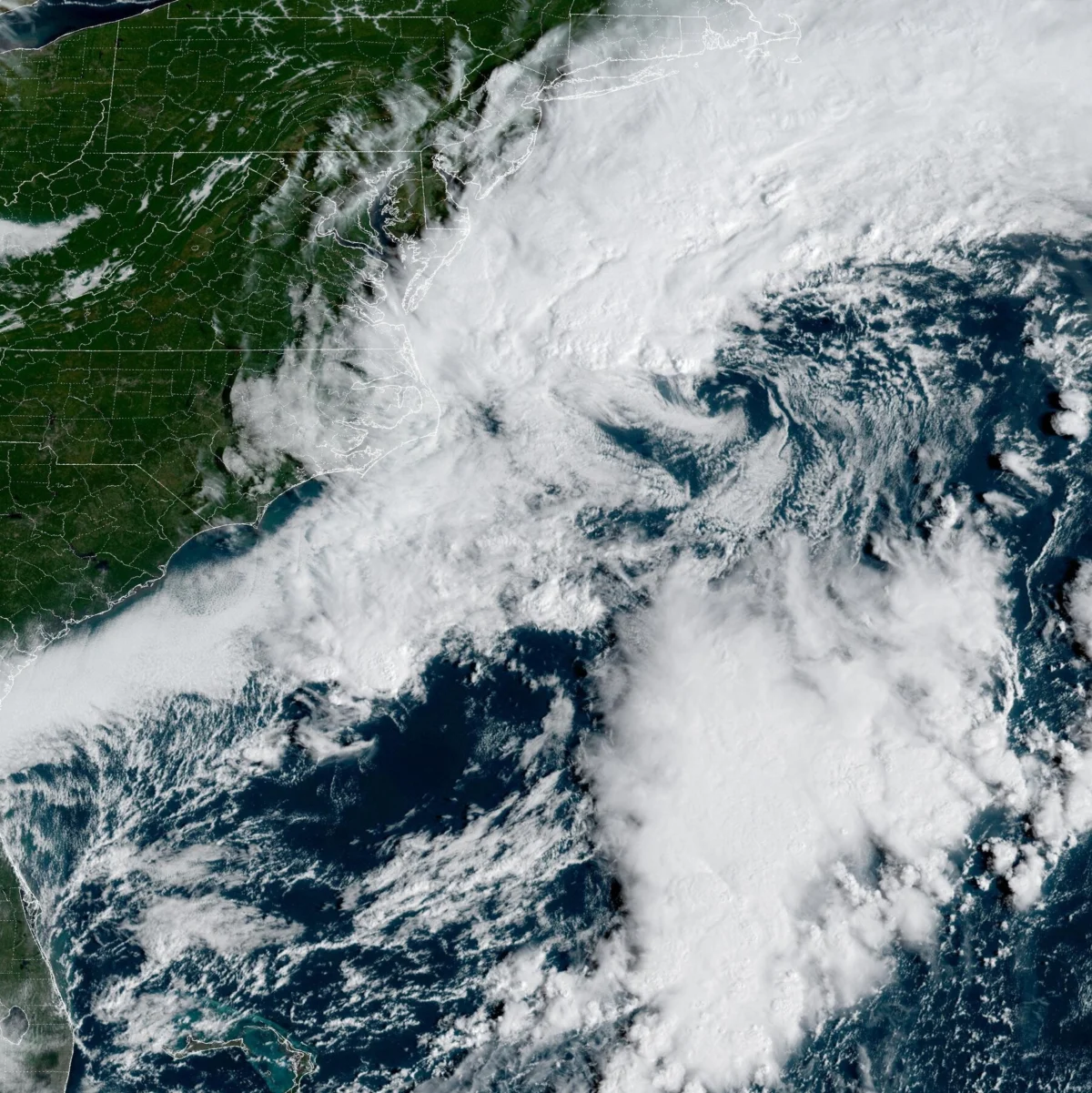
A powerful nor’easter bears down on the East Coast, with rain, flooding, and damaging winds forecast for much of the coastal Northeast. The system is expected to impact the New York metropolitan area and Boston, according to ongoing forecasts. This storm system poses significant risks to travel, infrastructure, and daily life across affected regions.
The nor’easter development comes as millions of residents along the Northeast corridor prepare for potential disruptions. Emergency management officials have not yet issued public statements, but residents are being urged to monitor local alerts and avoid unnecessary travel as conditions deteriorate. The storm’s exact track and intensity remain subject to change, though current projections indicate widespread impacts.
Key Facts
- A powerful nor’easter is bearing down on the East Coast.
- Rain, flooding, and damaging winds are forecast for the coastal Northeast.
- The New York metropolitan area and Boston are included in the projected impact zone.
What Happens Next?
The nor’easter is expected to move toward the Northeast over the coming days, with peak conditions likely arriving later this week. Forecasters predict that heavy rainfall could lead to flash flooding, particularly in low-lying areas and regions with poor drainage. Coastal communities may experience significant storm surge, while inland areas brace for strong wind gusts capable of downing trees and power lines.
Transportation systems, including highways, airports, and public transit, are likely to face delays and possible shutdowns as the storm approaches. Schools and businesses in heavily affected areas may close temporarily. Residents are advised to stock up on emergency supplies, charge devices, and stay informed through local news and weather services. Recovery efforts, if needed, will depend on the storm’s final path and strength upon landfall.
Who Is Affected?
The nor’easter’s projected path places millions of people at risk, with the New York metropolitan area and Boston singled out in official forecasts. Beyond these hubs, smaller coastal cities and towns throughout New England and the mid-Atlantic region are also expected to see impact. Agricultural areas, construction sites, and outdoor events may be disrupted by high winds and persistent rain.
Power outages are a concern, especially in areas where utility infrastructure is exposed to the elements. Emergency responders are preparing for potential rescues and shelter operations. Meanwhile, commuters relying on flights or trains should anticipate schedule changes as airlines and rail operators assess conditions. Public health officials may also weigh in if flooding threatens water supplies or medical facilities.
How Did We Get Here?
Nor’easters are intense extratropical cyclones that form along the East Coast, often drawing energy from temperature contrasts between air masses. These storms typically develop when a low-pressure system moves northward from the Carolinas, picking up moisture from the Atlantic Ocean. The result can be a powerful system that affects large swaths of the Northeast, bringing prolonged rain, coastal flooding, and destructive winds.
Meteorologists have been tracking atmospheric patterns that favored the formation of this particular system for several days. While forecast models can shift, the current consensus points to a significant storm affecting densely populated areas. Climate researchers have noted that changing weather patterns may be increasing the frequency of extreme coastal storms, though direct links to this event remain under study.
What We Know — and What We Don’t
Verified by the source:
- A powerful nor’easter is expected to impact the East Coast.
- Rain, flooding, and damaging winds are forecast for the coastal Northeast.
- The New York metropolitan area and Boston are in the projected path.
Still unconfirmed:
- Exact timing and arrival of peak storm conditions.
- Total rainfall amounts and inland flooding potential.
- Number of people under evacuation or travel advisories.
- Long-term power outage estimates or emergency shelter plans.
Why It Matters
Severe nor’easters can cripple transportation networks, damage homes and businesses, and strain emergency resources. For residents of the Northeast, this storm represents a potential disruption to work, school, and essential services. Coastal flooding and power outages may affect tens of thousands of people, underscoring the need for early preparation and clear communication from local authorities. Broader, this event highlights ongoing vulnerabilities in infrastructure designed for typical rather than extreme weather.
What To Watch
Officials are expected to provide updated advisories and evacuation orders as the storm nears. Residents should monitor forecasts and follow guidance from emergency services to stay safe.