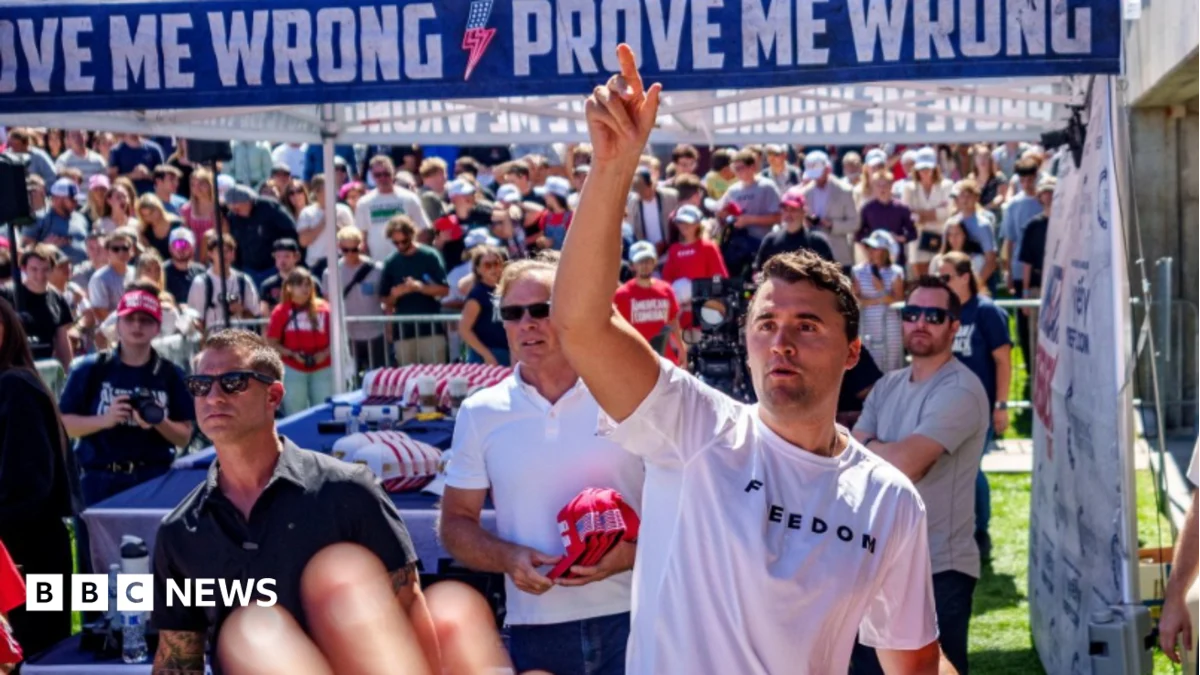
An independent review found security lapses at the Utah campus where Charlie Kirk was killed, noting his aides overrode outdoor speaking concerns.
The report highlights failures in coordination and threat assessment at the venue. Campus officials had raised concerns about holding the event outdoors, but those warnings were overruled by Kirk’s team. The findings underscore ongoing questions about event security protocols at public universities.
KEY FACTS
- Review identifies security lapses at Utah campus where Kirk was killed.
- Kirk’s aides insisted he speak outdoors, overriding campus officials.
- Campus officials had expressed concern about outdoor setup.
The Story
What happened at the event?
The independent review focused on the planning and execution of the speaking event that preceded the shooting. It found that campus officials had identified potential risks associated with holding the event outdoors but were overruled. The review did not specify the nature of the threats or how the decision was finalized. However, it emphasized that the override of official concerns contributed to the security lapses that allowed unsafe conditions to persist. The report also noted miscommunication between Kirk’s staff and university personnel, which may have delayed responses. These findings raise broader questions about protocols for high-profile speakers on college campuses. Universities across the country often face pressure to balance free speech with safety.
Who is affected by the findings?
The review affects Utah’s public university system, which is now under scrutiny for its event security policies. Campus officials involved in the decision-making process may face internal reviews or policy changes. Kirk’s aides and event organizers are also implicated, as the report suggests their actions contributed to the security lapses. Affected parties include university administrators, student groups, and future visiting speakers. The findings could lead to new guidelines requiring joint approval for outdoor events involving public figures. Lawmakers in Utah and other states may also revisit legislation governing security responsibilities at public institutions.
What happens next?
University leaders have not yet announced specific policy changes, but the report is expected to prompt internal discussions. The state’s higher education board may hold hearings on event safety protocols. Legal experts suggest that the findings could influence future lawsuits related to campus security. Advocacy groups are calling for standardized training for campus officials handling high-risk events. Federal agencies may also review whether grant-funded programs at the university complied with safety standards. Investigations into the broader circumstances of the shooting remain ongoing.
WHAT WE KNOW — AND WHAT WE DON’T
Verified by the source:
- An independent review found security lapses at the Utah campus where Kirk was killed.
- Kirk’s aides insisted he speak outdoors despite concerns from campus officials.
- Campus officials had raised concerns about holding the event outdoors.
Still unconfirmed:
- The exact timeline of the shooting remains unclear.
- No official statement has been made on whether charges will be filed.
- Specific identities of those involved in the override decision are not named.
Why It Matters
This case reflects growing tension between protecting free speech and ensuring public safety at U.S. colleges. As political events on campuses increase in frequency and intensity, university administrators must make split-second decisions that can have life-or-death consequences. The findings may set a precedent for how institutions manage similar future events.
What To Watch
University officials have not yet outlined next steps. The state legislature may also consider new legislation on campus security standards.
<!– Internal links: politics, war and geopolitics –>