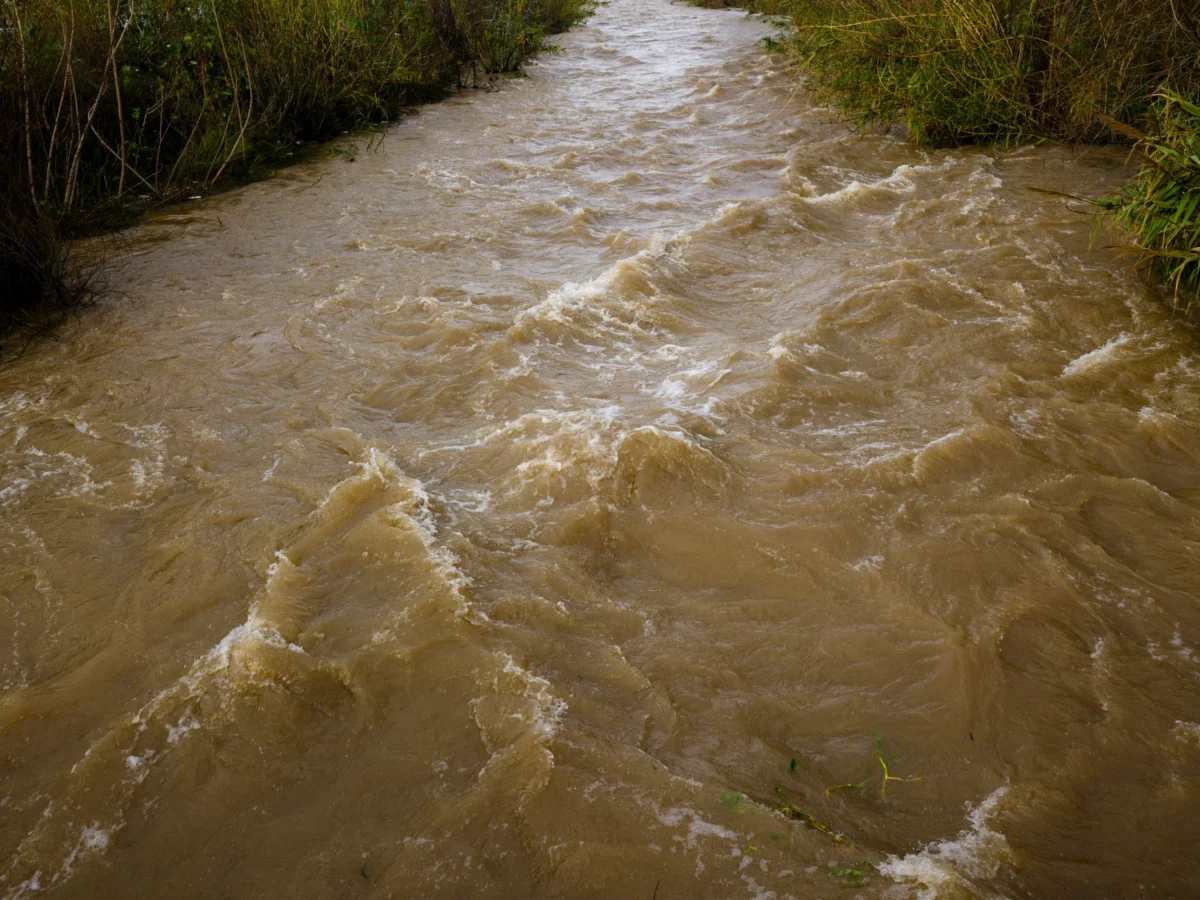
A powerful nor’easter struck the Northeast, bringing widespread flooding and leaving over 100,000 people without electricity as high tides continued to threaten coastal communities. The storm, which moved through the region rapidly, compounded risks already present from tidal surges and seasonal weather patterns.
The combination of strong winds, heavy rainfall, and elevated sea levels created dangerous conditions across multiple states. Emergency responders reported numerous road closures and evacuations, though exact figures remain unclear. Officials urged residents in low-lying areas to stay alert and follow local guidance.
Key Facts
- Nor’easter hits Northeast: A powerful nor’easter affected the Northeast region.
- Flooding reported: The storm caused flooding in parts of the Northeast.
- Power outages exceed 100,000: Over 100,000 customers lost power due to the storm.
- High tides threaten coast: Rising high tides posed additional risks to coastal areas.
What happens next?
As the nor’easter moves offshore, recovery efforts are expected to begin in impacted communities. However, the threat of elevated tides may persist for several hours, prolonging flood risks in vulnerable zones. State and local authorities have not yet released detailed damage assessments or timelines for full power restoration. Residents are advised to monitor weather alerts and avoid flooded roadways, which can mask hazards such as downed power lines or washed-out pavement.
Utility companies are working to restore electricity, prioritizing critical infrastructure such as hospitals and emergency facilities. The scale of outages suggests significant strain on repair crews, particularly in rural or heavily forested areas where falling trees commonly disrupt power lines. Meanwhile, the National Weather Service continues tracking residual moisture and wind speeds as the system transitions into open waters.
Who is affected?
The nor’easter’s impact spans a broad swath of the Northeast, disrupting daily life for hundreds of thousands of residents. Communities along the coast faced the brunt of the storm surge, with flooding endangering homes and businesses near the shoreline. Inland regions also experienced disruptions, including road closures and communication outages that hindered access to services. Schools and government offices in some areas canceled activities or shifted to remote operations as conditions deteriorated.
Emergency management agencies activated response protocols to address immediate needs, though specific numbers of displaced individuals or shelters opened remain unconfirmed by official sources. Volunteers and first responders worked through the night to assist with evacuations and secure damaged properties. The economic toll of the storm—including losses from property damage, business interruption, and infrastructure repair—is not yet known.
How did we get here?
Nor’easters derive their name from the persistent northeasterly winds that drive them, and this particular storm gained strength as it traveled along the Atlantic coast. Favorable atmospheric conditions allowed the system to intensify rapidly, drawing warmth from ocean waters still heated by earlier seasonal patterns. The convergence of wind, tide, and topography often amplifies coastal flooding during such events, especially when high tides coincide with peak storm surges. Forecasters had issued warnings in the preceding days but noted uncertainty regarding the precise timing and severity of impacts.
This event underscores the recurring vulnerability of the Northeast corridor to nor’easter systems, which can rival hurricanes in localized intensity. Climate researchers note that rising sea levels may be increasing the frequency of damaging coastal floods independent of storm strength, though attribution requires longer-term data analysis.
What We Know — and What We Don’t
Verified by the source:
- The storm was classified as a powerful nor’easter.
- Flooding occurred in the Northeast as a result of the storm.
- More than 100,000 people lost power during the event.
- High tides were expected to pose ongoing threats to coastal areas.
Still unconfirmed:
- Exact number of people evacuated or displaced by flooding.
- Total monetary cost of damages caused by the storm.
- Names and roles of responding officials or agencies involved.
- Timeline for full restoration of electrical service.
Why It Matters
Severe weather events like this nor’easter highlight the ongoing need for resilient infrastructure and coordinated emergency preparedness. As climate variability increases the likelihood of extreme storms, communities must invest in flood mitigation and reliable backup systems to protect lives and reduce long-term economic disruption.
What To Watch
Updates on power restoration progress and floodwater receding will clarify the full scope of the storm’s aftermath. Further reporting from affected regions may shed light on policy responses and funding allocations for recovery efforts.