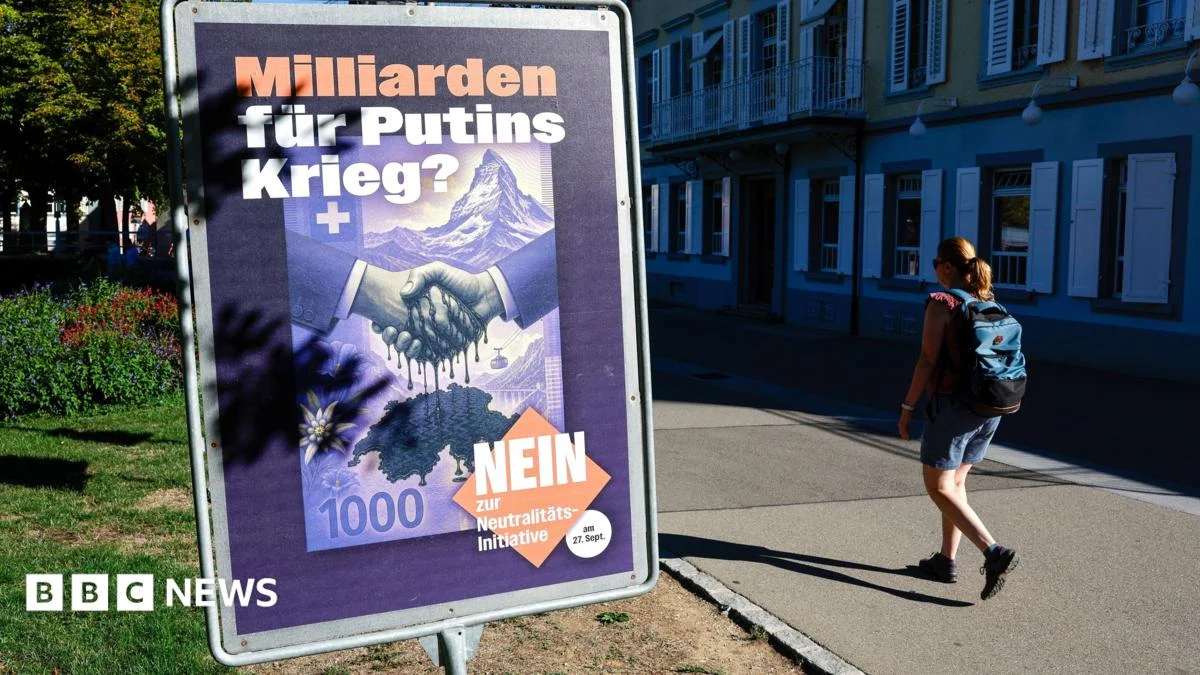
Swiss neutrality remains unconstrained by UN sanctions approval after voters rejected a popular initiative that would have restricted independent Swiss foreign policy decisions. The proposal sought to tie any Swiss sanctions regime to explicit UN authorization, but narrowly failed in the nationwide vote.
Under Swiss direct democracy, popular initiatives can force national referendums when they gather sufficient signatures. This particular initiative targeted the heart of how Switzerland conducts itself on the global stage, challenging a long-standing practice of adopting targeted measures aligned with Western allies yet outside formal UN frameworks. The result preserves existing discretion in Swiss neutrality doctrine without requiring multilateral preapproval for each measure.
KEY FACTS
- A popular initiative sought stricter Swiss neutrality rules.
- The initiative would have barred sanctions not approved by the UN.
- Voters rejected the proposal in a nationwide referendum.
- The outcome preserves current Swiss foreign policy flexibility.
- The initiative aimed to reshape how Swiss neutrality interacts with international sanctions regimes.
What This Means for Swiss Neutrality
The defeat signals continued Swiss preference for pragmatic engagement over rigid doctrinal limits. Swiss neutrality has historically balanced independence with selective cooperation, participating in multilateral institutions while avoiding formal military alliances. By rejecting UN-only sanctions authorization, voters maintained room for Switzerland to coordinate with European partners on economic pressure campaigns while preserving formal non-alignment in security matters.
This dynamic frequently arises because Switzerland chairs or participates in numerous international organizations, often mediating conflicts yet occasionally facing pressure to align with broader coalitions. Maintaining flexibility allows Swiss diplomats to navigate complex negotiations without being foreclosed from all but UN-sanctioned actions. Critics argue this dilutes true neutrality; supporters claim it reflects realistic sovereignty.
How Did We Get Here?
Popular initiatives in Switzerland allow citizens to propose constitutional amendments if they collect 100,000 valid signatures within 18 months. Once qualified, the federal government must issue a recommendation before putting the question to voters, typically alongside other national referendums held multiple times per year. This mechanism makes Switzerland one of the world most direct democracies, giving ordinary citizens regular opportunities to override parliamentary decisions.
Recent years have seen several high-profile initiatives lose traction, including climate-focused proposals and pension reforms. Each vote reflects broader debates about economic integration versus domestic priorities. In this case, proponents argued that restricting sanctions to UN mandates would restore principled consistency to Swiss neutrality. Opponents countered that such rigidity could isolate Switzerland diplomatically when humanitarian crises demand urgent response.
WHAT WE KNOW / WHAT WE DON’T
Verified by the source:
- The initiative proposed requiring UN approval before imposing Swiss sanctions.
- It was submitted as a popular initiative under Swiss direct democracy procedures.
- Voters rejected the measure in a nationwide referendum.
- The rejection means current Swiss foreign policy discretion remains unchanged.
Still unconfirmed:
- The exact margin of victory or defeat in the referendum.
- Breakdown of regional voting patterns across Swiss cantons.
- Whether any political parties formally endorsed or opposed the initiative.
- Timing and specifics of future similar initiatives.
WHY IT MATTERS
Swiss neutrality affects global diplomacy because Switzerland often mediates sensitive negotiations and hosts key international organizations. Decisions altering that posture reverberate far beyond domestic borders, influencing perceptions of legitimacy in international law. Preserving ambiguity in sanctions policy keeps diplomatic doors open during volatile periods.
WHAT TO WATCH
Future referendums may revisit these questions, especially if geopolitical tensions escalate. Observers should monitor whether renewed campaigns emerge calling for clearer limits on Swiss sanctions authority.