LEDE
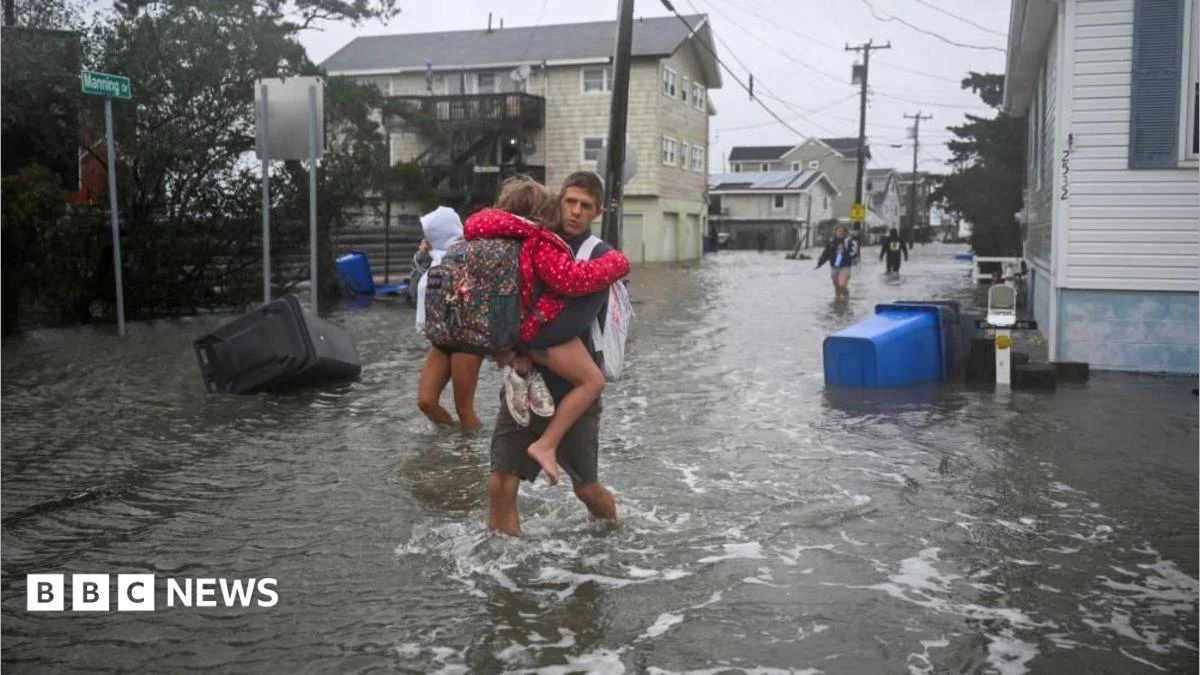
A powerful nor’easter storm has brought flooding to parts of the northeastern United States, prompting emergency declarations in New York and New Jersey. Tens of millions of people from Maine to Virginia are currently in the path of the storm. The nor’easter storm system is advancing along the East Coast, bringing heavy rainfall, strong winds, and coastal flooding to a densely populated region. Emergency management officials have activated response protocols to address the immediate impacts of the nor’easter storm.
KEY FACTS
- The nor’easter storm has caused flooding in affected areas
- New York and New Jersey have declared a state of emergency
- Tens of millions of people are in the path of the storm
- The storm affects areas from Maine to Virginia
What happens next?
The nor’easter storm continues moving northward along the Atlantic coast, with meteorologists tracking its potential to bring additional rainfall and wind impacts. Emergency management teams are assessing damage and coordinating relief efforts in the hardest-hit areas. Residents in the projected path of the nor’easter storm have been advised to monitor local alerts and avoid unnecessary travel. Officials are coordinating with transportation departments to manage road closures and public transit disruptions caused by flooding.
Who is affected?
The nor’easter storm poses risks to tens of millions of residents across a corridor stretching from northern New England to the mid-Atlantic states. Urban and suburban communities along the coast and major rivers are particularly vulnerable to flooding from the nor’easter storm. Critical infrastructure including roads, bridges, and utilities may face disruption. Schools and government offices in some areas have been closed as a precaution against the nor’easter storm.
HOW DID WE GET HERE?
The nor’easter storm developed as a low-pressure system off the coast of the Carolinas, strengthening as it moved northward along the Atlantic seaboard. Seasonal weather patterns and a trough in the jet stream helped intensify the nor’easter storm as it approached. The storm is named for its northeasterly winds, which draw moisture from the Atlantic Ocean and produce heavy coastal flooding. Forecasters had issued warnings days in advance of the nor’easter storm making landfall.
WHAT WE KNOW — AND WHAT WE DON’T
Verified by the source:
- A powerful nor’easter storm is impacting the East Coast
- New York and New Jersey have declared emergencies due to the nor’easter storm
- Flooding has been reported as a result of the nor’easter storm
- The storm path includes areas from Maine to Virginia
Still unconfirmed:
- Exact timing and duration of the worst nor’easter storm impacts
- Total number of injuries or fatalities caused by the nor’easter storm
- Estimated financial damage from the nor’easter storm
- Full list of counties or cities under emergency orders
WHY IT MATTERS
The nor’easter storm affects one of the most densely populated regions in the nation, raising concerns for public safety and continuity of services. Coastal communities and critical infrastructure face heightened vulnerability during the nor’easter storm. This event also underscores ongoing challenges related to climate resilience along the Atlantic coast.
WHAT TO WATCH
Follow climate and weather updates as the nor’easter storm moves through and impacts the region. Officials are expected to provide updated damage assessments and recovery plans in the coming hours, and residents in the path of the nor’easter storm should remain tuned to local news and emergency alerts.