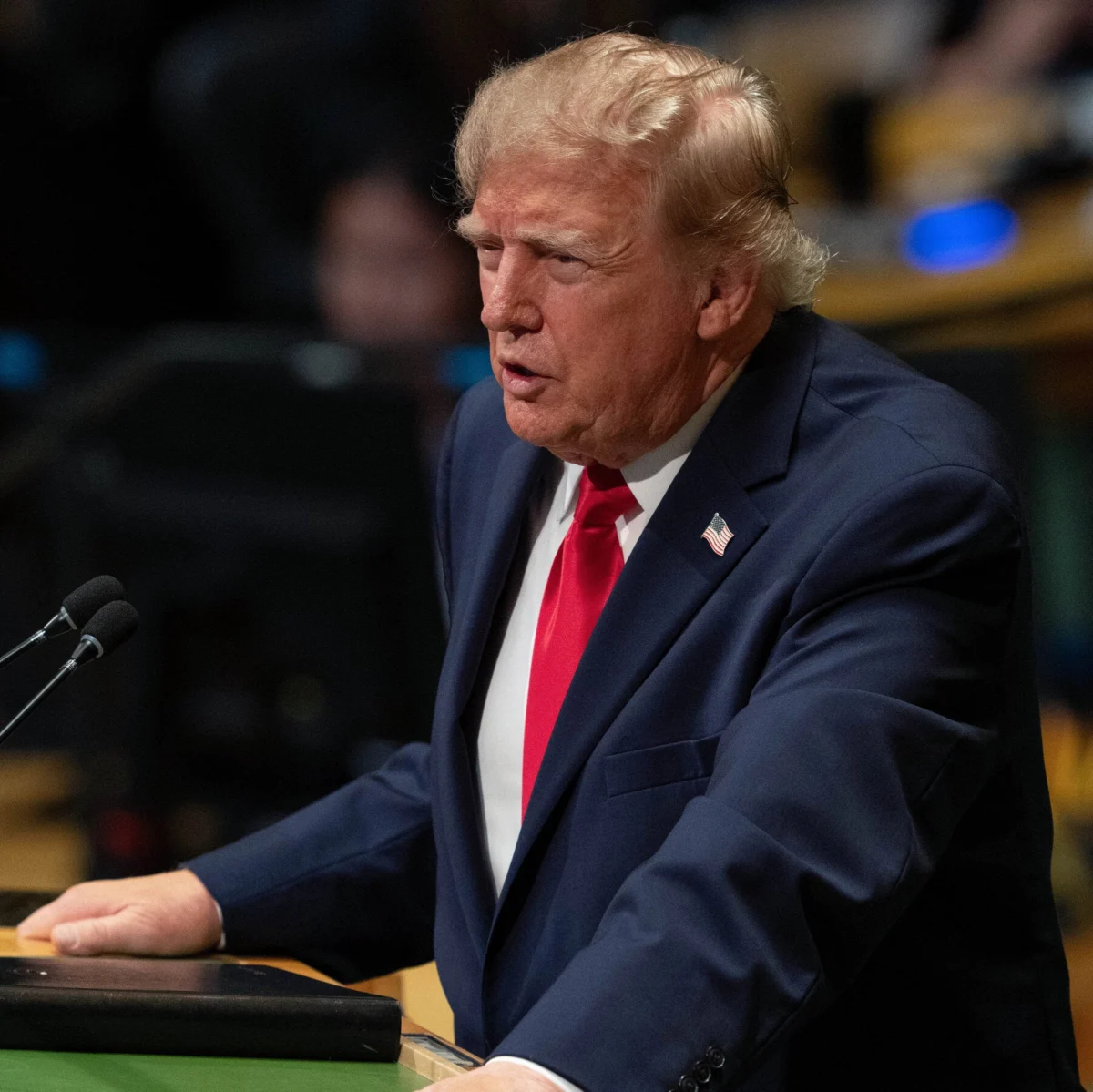
President Donald Trump rejected Iran’s ceasefire proposal to reopen the Strait of Hormuz, calling the deal not acceptable. He also declined to say whether he would restart military strikes against Iran after the upcoming midterm elections.
The proposal, according to the president, did not meet U.S. standards for a viable agreement. Trump made the comments without providing details on what specifically made the deal unacceptable or outlining conditions for future negotiations.
Key Facts
- Trump rejected Iran’s ceasefire proposal to reopen the Strait of Hormuz.
- He called the deal not “acceptable”.
- He demurred on restarting military strikes after midterm elections.
- The proposal involved reopening the strategic waterway.
- No details were provided on specific terms or conditions.
What Was on the Table
The Iran ceasefire proposal centered on reopening the Strait of Hormuz, a critical maritime chokepoint for global oil shipments. The strait, located between Iran and the Arabian Peninsula, serves as a key route for tankers moving crude oil from the Persian Gulf to international markets. Trump’s rejection of the deal means the status quo around the waterway remains unresolved, though he provided no specific rationale for deeming the proposal inadequate.
The White House did not elaborate on what elements of the offer fell short of U.S. expectations. Administration officials have previously expressed concerns about Iranian behavior in regional waters, including incidents involving commercial shipping and naval vessels. However, no new details emerged from Trump’s public rejection of the ceasefire terms.
Iranian officials have not yet publicly responded to Trump’s characterization of their proposal as unacceptable. State media in Tehran may provide further reactions in coming days, though no official statement had been issued at the time of reporting.
What Happens Next?
Trump’s decision leaves open the question of future military engagement. He explicitly avoided committing to restarting strikes, instead deferring any such decision until after the midterm elections. This timeline suggests that U.S. policy toward Iran will remain in limbo through the electoral period, with potential changes depending on the outcome of congressional races.
The broader implications of the rejected proposal extend beyond the immediate standoff. The Strait of Hormuz has been a recurring flashpoint in U.S.-Iran tensions, with both sides accusing the other of provocative actions in the region. General readers may want to monitor whether additional diplomatic channels emerge in the weeks ahead.
Meanwhile, international observers continue to watch developments in the region closely, particularly given the strategic importance of energy markets and global supply chains tied to the strait’s accessibility.
What We Know — and What We Don’t
Verified by the source:
- President Trump rejected Iran’s ceasefire proposal to reopen the Strait of Hormuz.
- Trump described the deal as not “acceptable”.
- Trump declined to say whether he would restart military strikes after midterm elections.
- The proposal specifically involved reopening the Strait of Hormuz.
Still unconfirmed:
- Specific terms of Iran’s ceasefire proposal.
- Reasons why the deal was deemed unacceptable.
- Timeline for future diplomatic engagement.
- Whether military strikes will resume post-election.
- Official Iranian government response to the rejection.
Why It Matters
The standoff over the Strait of Hormuz affects global energy markets and international shipping lanes. Disruptions in this region can influence oil prices and supply chains worldwide, making U.S. policy decisions here significant beyond domestic politics. For readers tracking geopolitical developments, this represents another chapter in long-standing tensions between Washington and Tehran.
What To Watch
Iranian officials have yet to officially respond to Trump’s rejection. The post-midterm election period may bring clarity on whether new proposals emerge or if military options remain under consideration. Readers should follow reputable news sources for verified updates as the situation develops.
One key metric to monitor is whether either side escalates rhetoric or actions in the region, which could shift the trajectory of this ongoing diplomatic deadlock.