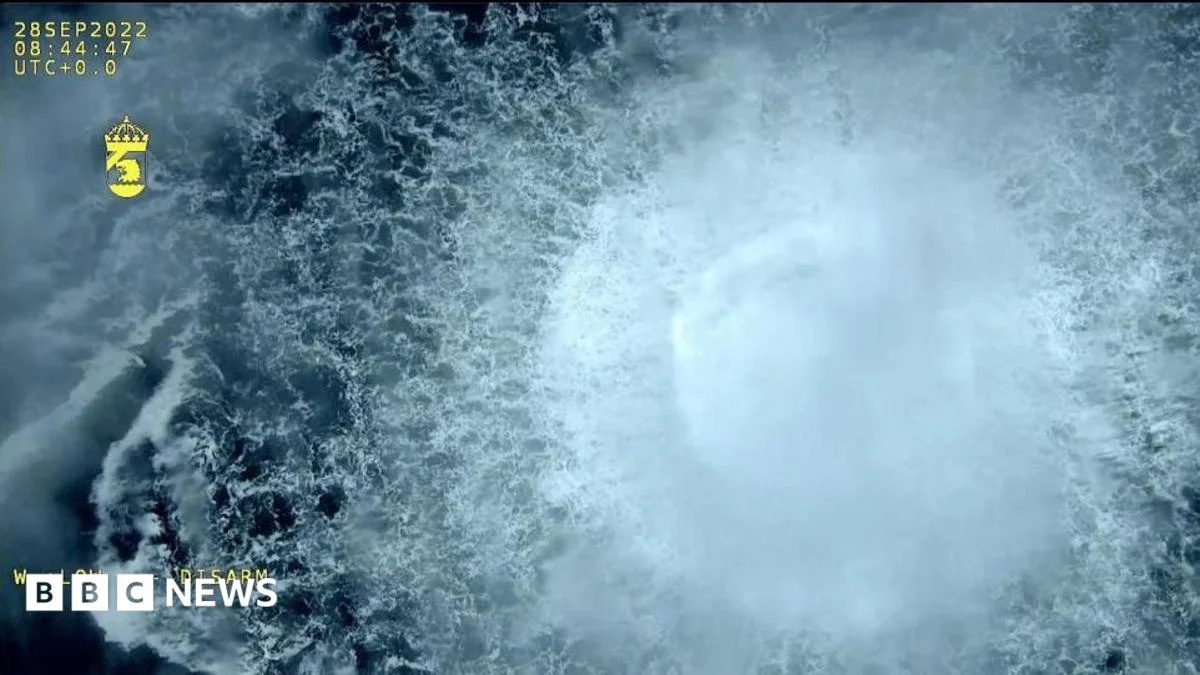
After four years of investigation, a Ukrainian man is set to face trial in Hamburg in connection with the suspected sabotage of the Nord Stream pipelines. The trial marks one of the most high-profile legal proceedings related to the underwater explosions that damaged the energy infrastructure linking Russia and Germany. According to BBC News, German police traced key evidence pointing toward Ukraine before formally charging the suspect, whose identity has not been publicly disclosed.
The Nord Stream trial begins amid lingering questions about the full scope of the attack and the individuals involved. While prosecutors have moved forward with charges against the accused, many aspects of the case remain under seal, leaving both investigators and observers waiting for further clarity during upcoming court proceedings.
Nord Stream Trial: Key Facts
- Four years after the incident, a Ukrainian man is set to stand trial in Hamburg.
- German police followed evidence that reportedly led to Ukraine.
- The charges relate to the suspected sabotage of the Nord Stream pipelines.
- The trial takes place in Hamburg, Germany.
- The case stems from explosions that damaged critical energy infrastructure.
What Happened During the Nord Stream Pipeline Incident?
In September 2022, explosions occurred beneath the Baltic Sea, damaging sections of the Nord Stream gas pipelines that run from Russia to Germany. The blasts caused significant structural harm and sparked an international outcry over threats to European energy security. German authorities launched a major investigation, collecting forensic data and tracking potential leads across multiple countries. Months later, investigators say they identified a suspect with ties to Ukraine, although no official governmental confirmation of state involvement has been released. The suspect was reportedly located using digital tracking methods and witness testimony gathered by law enforcement agencies.
Who Is Affected by These Charges?
The alleged actions tied to the Nord Stream trial have wide-ranging implications for global energy markets and diplomatic relations between Eastern Europe and Western Europe. If convicted, the accused could face severe penalties under German law, including lengthy imprisonment. Meanwhile, the governments of Ukraine and Russia have responded cautiously, with neither officially accepting responsibility nor confirming any operational connection to the incident. Citizens in affected regions continue to feel the ripple effects of disrupted energy supplies, particularly amid ongoing geopolitical tensions in Europe.
What Happens Next in This Case?
Court proceedings in Hamburg are scheduled to begin soon, though exact timing details have not yet been made public. Legal experts anticipate that classified information may play a central role in the trial, potentially influencing how much evidence is revealed to the public. Investigators will likely present technical findings from underwater recovery missions and electronic surveillance logs used to identify the suspect. Observers expect heightened media attention given the sensitive nature of the case involving national security concerns and international diplomacy.
What We Know — and What We Don’t
Verified by the source:
- A Ukrainian man will stand trial in Hamburg for suspected sabotage.
- German police pursued leads pointing toward Ukraine.
- The case relates to explosions on the Nord Stream pipelines.
- Investigators spent four years building the case.
Still unconfirmed:
- The true motive behind the pipeline blasts remains unknown.
- No official confirmation exists regarding state sponsorship.
- The suspect’s full background and arrest location are undisclosed.
- It is unclear if additional suspects are being investigated.
- Timeline for verdict or sentencing is not specified.
Why It Matters
This Nord Stream trial reflects broader challenges facing global energy infrastructure amid rising geopolitical conflict. Legal outcomes may influence future energy policies and defensive strategies within Europe, especially as nations seek alternatives to imported fossil fuels. Regardless of verdict, the case underscores how modern warfare increasingly targets civilian infrastructure far beyond traditional battlefields.
What To Watch
Upcoming hearings should clarify whether new evidence emerges implicating other parties. Analysts recommend watching official statements from Berlin and Kyiv for potential diplomatic fallout stemming from this landmark Nord Stream trial.