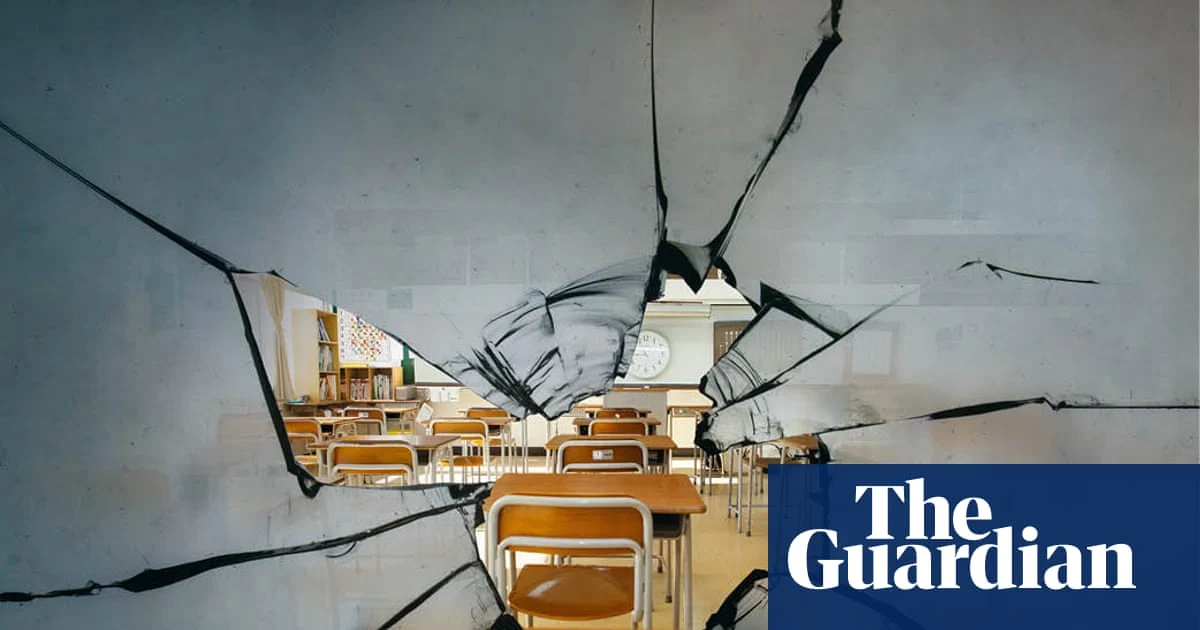
At 6:30 p.m. on June 19, 2024, two 13-year-old former students of Marcel Pagnol primary school in Lyon’s eastern suburbs forced their way into the locked building using a garden fork and broom before a window-breaker. Once inside, they tore through classrooms, corridors, and the canteen, smashing computer equipment, upending furniture, spraying fire extinguishers, and helping themselves to drinks from the fridge. One boy set small fires around the building while the other filmed the rampage and posted the footage to Snapchat, laughing as flames were lit and property was destroyed.
This incident, captured in a video later shared widely on social media, highlights a broader trend of school trashing across France. The Guardian reports that such attacks—where teenagers break into schools after hours, damage property, and film the chaos—have grown increasingly common. These acts often occur at primary schools on Wednesdays when campuses are typically closed, leaving buildings empty and vulnerable to repeated raids.
What happens during these school trashing incidents?
According to the report, groups of mostly teenage former students enter locked schools after hours, targeting classrooms, cafeterias, and hallways. They throw away furniture, smash devices like computers and tablets, release fire extinguishers, spray-paint walls, and sometimes start small fires. Many of these attacks are livestreamed or recorded and then uploaded to platforms like Snapchat, where clips circulate among peers, potentially encouraging copycat behavior. Social media appears to play a central role in amplifying the scale and reach of these events.
Who is behind the surge in school trashing?
Most incidents involve teenagers aged 11 to 15, often former pupils returning to their old primary schools. The Guardian notes that participants describe motivations ranging from boredom and rebellion to a desire for peer recognition through shocking online content. Some appear driven by social media pressures to create viral material, while others may come from disadvantaged backgrounds, adding another layer of complexity to understanding root causes. Authorities have not yet commented extensively on preventive measures being taken.
How did we get here?
The phenomenon of school trashing predates the current crisis but has gained momentum over recent years. While isolated cases were once rare, patterns suggest escalation fueled by easy access to recording tools, widespread internet connectivity, and shifting attitudes toward institutional respect among youth. Schools have become symbolic spaces for expressing frustration or seeking thrills rather than sites of learning when unoccupied. Despite growing concern, concrete data on frequency remains scarce due to inconsistent reporting practices across districts.
What We Know — and What We Don’t
- Verified by the source:
<n
- Two 13-year-olds broke into Marcel Pagnol school on June 19, 2024.
- They used a garden fork and broom to break a window and enter.
- Inside, they damaged classrooms, canteens, and computer equipment.
- They set small fires and posted video footage to Snapchat.
- The incidents occur mainly at primary schools closed on Wednesdays.
- Still unconfirmed:
- Total number of reported school trashing cases nationwide.
- Motivations cited by perpetrators beyond what was filmed.
- Official responses or disciplinary actions taken so far.
- Whether social media directly encourages similar future incidents.
School trashing reflects deeper anxieties around youth disengagement, digital culture influence, and community relations with public institutions. When teenagers target schools—not just as buildings but as symbols of authority and structure—the act resonates beyond local communities. It raises urgent questions about how educators, policymakers, and families can address underlying frustrations before they spiral into destructive cycles.
Watch for potential new policies aimed at securing school premises and increased parental oversight following renewed attention on this form of vandalism. Officials have yet to release formal statements, but pressure mounts for action amid rising public awareness.