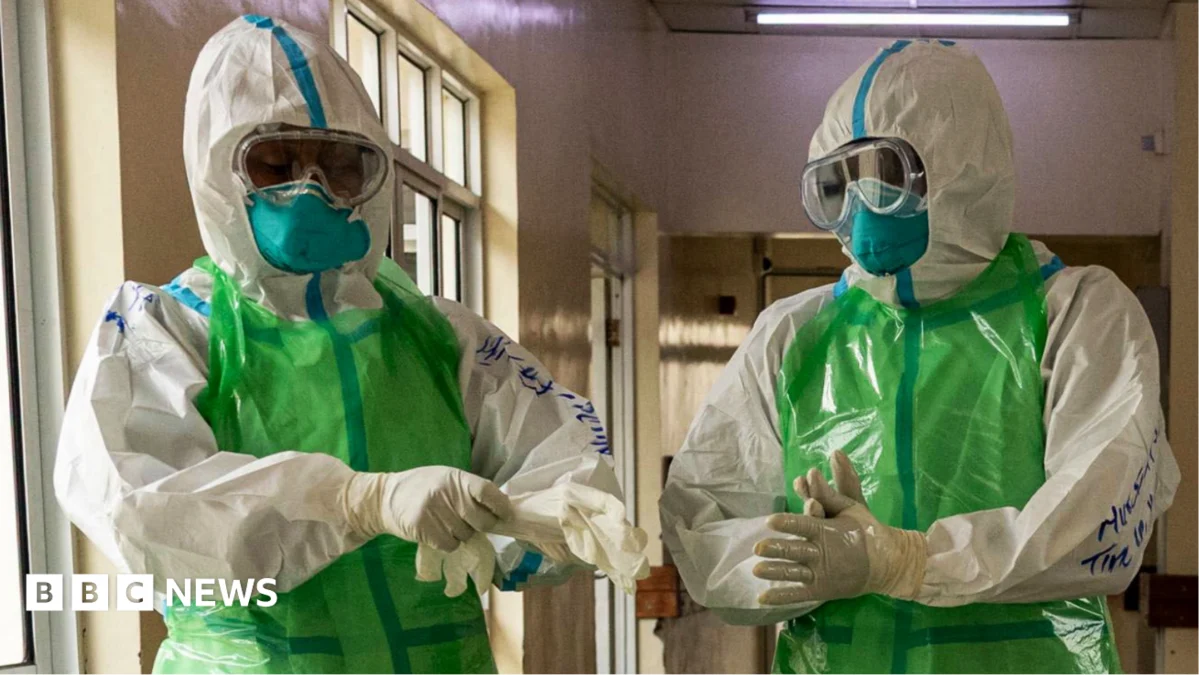
Nigeria has confirmed an Ebola case linked to East Africa, with the patient currently in isolation at a hospital in Abuja.
According to BBC News, the infected individual is a female who sources say is not Nigerian. Health authorities are monitoring the situation closely as concerns grow over potential spread.
KEY FACTS
- Ebola case: Nigeria confirms an Ebola case linked to East Africa
- Patient status: The female patient is in isolation at an Abuja hospital
- Nationality: Sources told BBC News the patient is not Nigerian
The Story
What happens next?
Nigeria’s confirmation of an Ebola case linked to East Africa raises concerns about regional transmission and public health preparedness. The patient, described as female, is receiving care in isolation at a hospital in Abuja, the capital city. According to BBC News, sources indicate the individual is not Nigerian, suggesting possible cross-border movement prior to diagnosis.
Ebola, a severe viral illness, spreads through direct contact with bodily fluids of infected individuals. Outbreaks in East Africa have historically required rapid containment measures to prevent wider spread. Nigeria’s last major Ebola outbreak occurred in 2014, linked to imported cases from Liberia, which was declared over after extensive contact tracing and vaccination efforts.
Who is affected?
The affected individual is being treated in an isolation unit in Abuja, where healthcare workers are following strict infection prevention protocols. While the patient’s nationality has not been officially confirmed, sources cited by BBC News describe them as non-Nigerian, potentially pointing to recent travel from an affected region in East Africa.
Beyond the immediate patient, the broader population of Abuja and neighboring regions may face heightened surveillance. Public health agencies typically respond to confirmed cases by tracing contacts, monitoring symptoms, and activating emergency response frameworks to limit exposure.
How did we get here?
Ebola outbreaks in East Africa, particularly in countries like Uganda and the Democratic Republic of Congo, have periodically emerged in recent years. These outbreaks often stem from zoonotic transmission—spillover events from animal hosts to humans—followed by sustained human-to-human spread in densely populated or conflict-affected areas.
Nigeria’s surveillance systems have improved since the 2014 outbreak, when over 20,000 people were vaccinated under emergency protocols. However, the recurrence of imported cases underscores the ongoing risk posed by regional outbreaks and the importance of maintaining readiness across West African borders.
What We Know — and What We Don’
Verified by the source:
- Nigeria has confirmed an Ebola case linked to East Africa
- The patient is a female in isolation at an Abuja hospital
- The patient is reportedly not Nigerian, per sources speaking to BBC News
Still unconfirmed:
- The patient’s exact nationality and origin
- Timeline of symptoms and confirmation tests
- Whether any contacts have been identified or quarantined
- Source of infection within East Africa
- Official government or WHO statements on the case
Why It Matters
This development highlights the continued vulnerability of countries with prior Ebola exposure to new introductions, especially through international travel. It also emphasizes the need for sustained investment in surveillance, rapid diagnostics, and cross-border coordination to contain future outbreaks before they escalate into regional emergencies.
What To Watch
Health authorities are expected to release updates on contact tracing and containment efforts in the coming days. The World Health Organization may also issue guidance if the case is formally reported through international health regulations.
Nigeria confirms an Ebola case linked to East Africa, with the patient in isolation at an Abuja hospital, BBC News reports.war-geopolitics