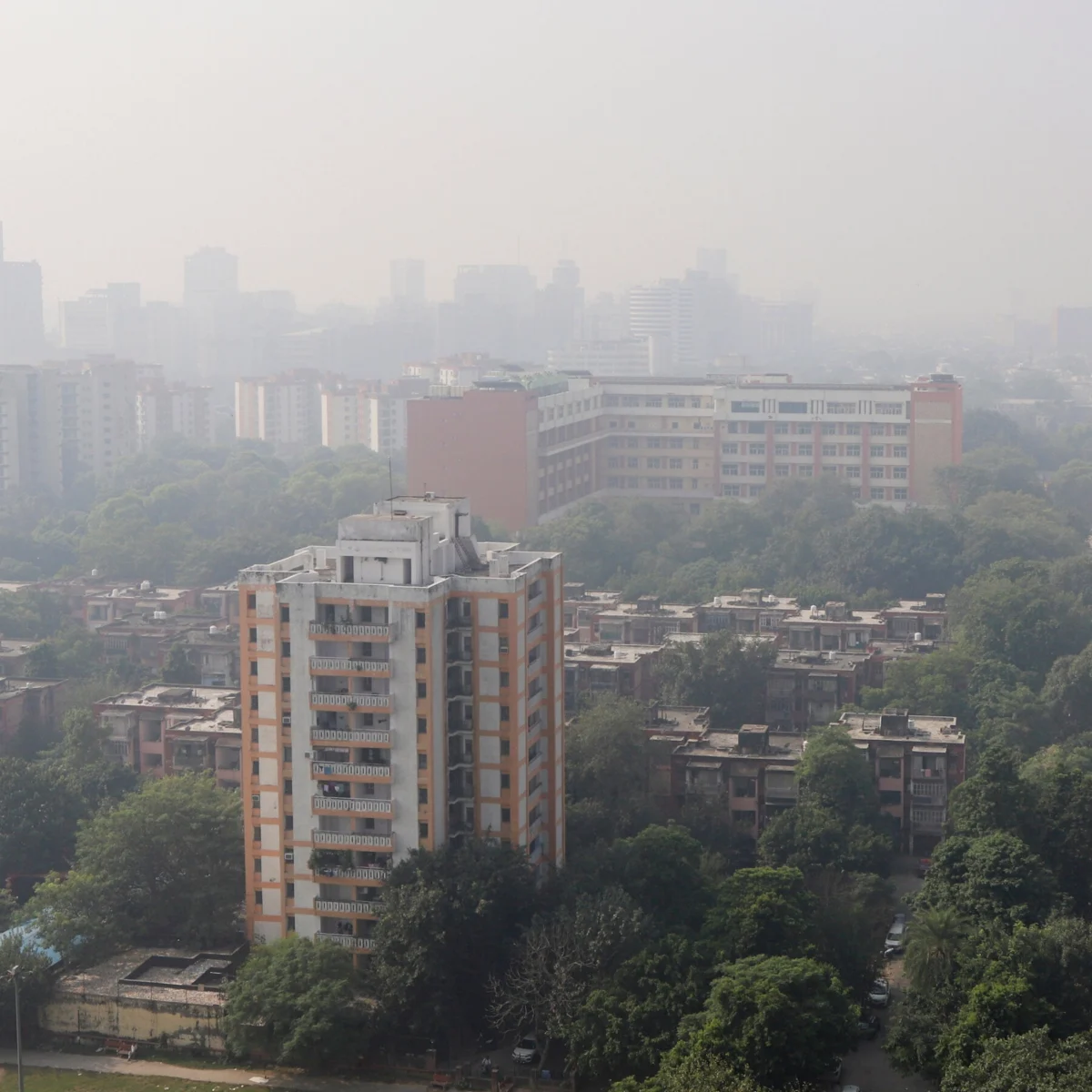
As air quality plummeted in Delhi, the government said it would act to reduce the seasonal haze that blankets the capital each winter.
The return of toxic “polluted air” follows a pattern familiar to residents of India’s largest city: cooler temperatures and windless days trap emissions from vehicles, construction, agriculture and industry, creating a choking blanket that typically thickens through December and January.
According to NYT World News, officials acknowledged the drop in visibility and public-health warnings but offered few concrete details about the measures they intend to deploy. Winter pollution spikes are an annual challenge across northern India, when meteorological conditions keep pollutants locked close to ground level for weeks at a time.
Key Facts
- Air quality in Delhi has plummeted as the winter season of polluted air begins.
- The government said it would act to curb the haze that covers the capital each winter.
- The source is reporting observations for India’s largest city.
- Specific policy actions were not detailed in the available reporting.
What happens next?
Authorities typically respond to hazardous readings by restricting truck traffic, halting construction and urging residents to stay indoors, but whether those steps will be taken this year remains unclear. Schools sometimes close, and emergency helplines see increased calls for respiratory relief during the worst episodes.
Residents of Delhi have grown accustomed to checking real-time air-quality indexes on their phones each morning, yet the seasonal “polluted air” crisis shows little sign of long-term improvement. Satellite data and ground stations usually record the sharpest declines after post-harvest agricultural burning in neighboring states adds smoke to the existing mix of urban emissions.
The government’s statement, cited by NYT World News, came as schools and offices reported higher absenteeism from people suffering coughing fits and breathing difficulties. Environmental groups repeatedly warn that short-term measures address symptoms rather than root causes, leaving the recurring cycle of “polluted air” intact.
How did we get here?
Delhi’s winter pollution problem has deepened over the past decade as vehicle ownership surged, coal-fired power plants multiplied and seasonal crop stubble burning intensified. The geography of the Indo-Gangetic Plain traps cold air beneath a layer of warm air, preventing pollutants from dispersing upward.
NYT World News noted that previous emergency measures introduced temporary relief but failed to reverse the broader trend. International agencies, including the World Health Organization, have repeatedly highlighted the health risks posed by prolonged exposure to fine particulate matter that exceeds safe limits by several times over.
Public frustration has translated into court cases demanding stricter enforcement of existing laws, while politicians promise cleaner cooking fuels and improved public transit. Yet progress remains uneven, and winters consistently bring a familiar chorus of alerts, advisories and citizen complaints about “polluted air” that can exceed 10 times safe levels.
What We Know — and What We Don’
Verified by the source:
- Air quality in Delhi has dropped sharply as winter begins.
- The government announced plans to take action against the haze.
- The seasonal pattern affects India’s largest city year after year.
Still unconfirmed:
- Exact timing of when government measures will begin.
- Specific policies or restrictions being considered.
- Official air-quality index readings for the current episode.
Why it matters
Delhi’s “polluted air” crisis affects more than 20 million urban residents and influences national conversations about environmental policy and public health across South Asia. WHO data confirms that exposure to such contamination contributes to tens of thousands of premature deaths annually in northern India.
What to watch
The coming weeks will reveal whether announced measures translate into enforceable restrictions and whether real-time monitoring stations confirm another record-breaking episode of “polluted air.”
Related coverage: war-geopolitics, climate-environment