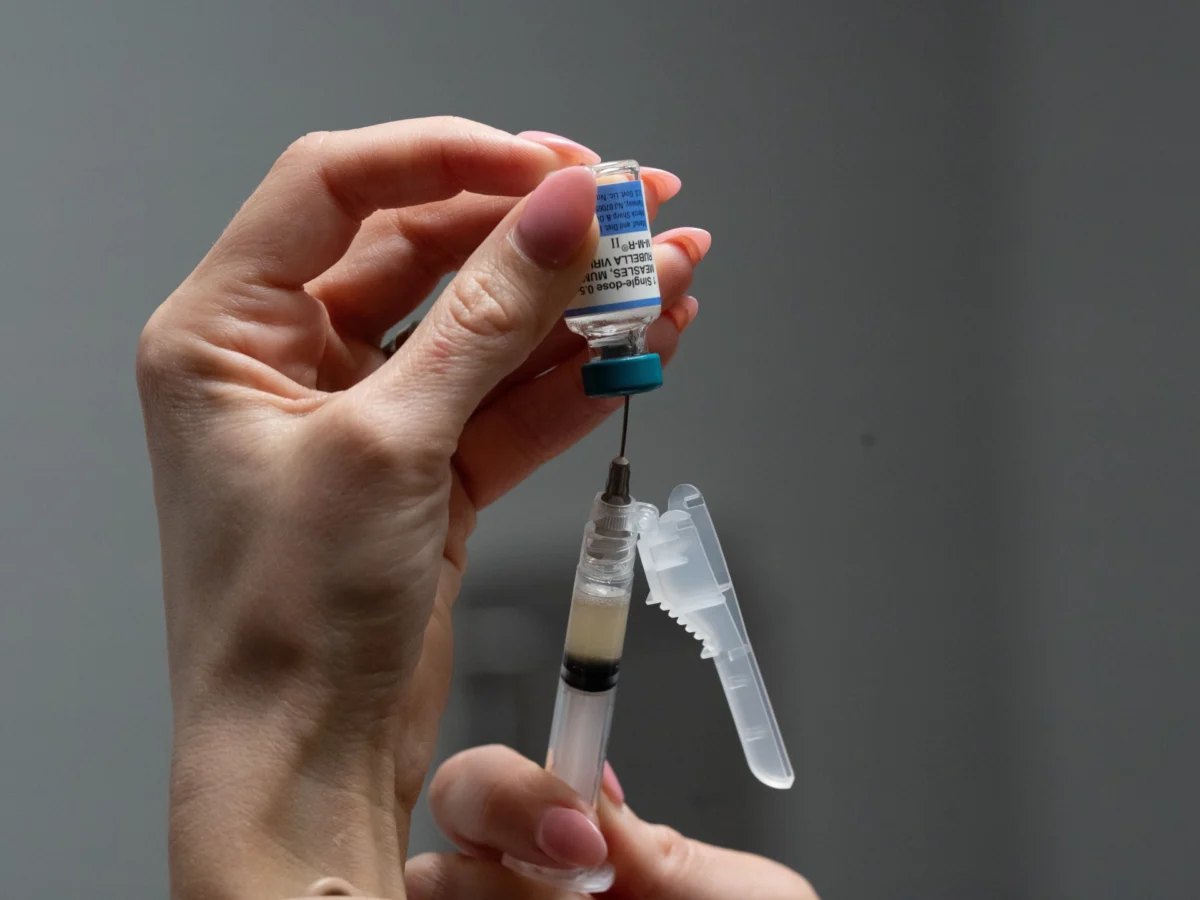
New York state has declared a measles outbreak disaster as the United States reports a resurgence of the disease amid declining vaccination rates, according to Al Jazeera – Breaking News, World News and Video from Al Jazeera. The declaration reflects growing public health concern over rising measles cases across the country, reversing decades of progress in controlling the viral illness. Once declared eliminated in the United States by 2000, measles is now reappearing in communities where vaccination coverage has dropped below safe thresholds.
Key Facts
- New York state declared a measles outbreak disaster amid a resurgence of the disease in the United States.
- The United States had largely eliminated measles by 2000 but is seeing several outbreaks.
- Declining vaccination rates are linked to the recent measles outbreaks reported in the US.
How Did We Get Here?
The measles outbreak in the United States did not appear suddenly. The disease was declared eliminated in the year 2000 after sustained, widespread vaccination efforts successfully prevented domestic transmission for over a decade. However, measles is highly contagious, and even small drops in vaccination coverage can allow the virus to resurface in under-immunized populations. Public health officials have repeatedly warned that vaccine hesitancy and declining childhood vaccination rates create pockets of susceptibility where outbreaks can take hold quickly.
According to Al Jazeera – Breaking News, World News and Video from Al Jazeera, the current measles outbreak is part of a broader trend of returning infectious diseases in the US, driven largely by gaps in immunization programs. These gaps have emerged in both geographically concentrated communities and more widely dispersed groups where vaccine access or acceptance is limited.
Who Is Affected?
The measles outbreak poses a particular risk to individuals who cannot be vaccinated for medical reasons, such as those with compromised immune systems or severe allergies to vaccine components. Infants too young to receive the measles, mumps, and rubella (MMR) vaccine are also vulnerable during outbreaks. Communities with low vaccination rates become amplification points where the virus spreads rapidly among unprotected individuals.
Hospitals and public health departments are working to contain the spread through contact tracing, isolation protocols, and targeted vaccination campaigns. Schools and childcare facilities may implement exclusion policies for unvaccinated children during measles outbreaks to protect at-risk populations.
What Happens Next?
The trajectory of the measles outbreak depends heavily on public health responses and vaccination rates in affected areas. Continued community transmission will likely prompt additional state-level emergency declarations and expanded federal guidance from health agencies. Public health experts emphasize that stopping the outbreak requires rapid identification of exposed individuals and administration of the MMR vaccine, which is highly effective even when given after exposure in some cases.
Ongoing surveillance will determine whether these outbreaks represent isolated incidents or the beginning of a larger trend. Health authorities have not provided specific timelines for containment, but past measles outbreaks in the US have been resolved within weeks to months when comprehensive vaccination efforts are implemented.
What We Know — and What We Don’t
Verified by the source:
- New York state declared a measles outbreak disaster.
- Measles had been largely eliminated in the United States by 2000.
- Multiple measles outbreaks are occurring amid declining vaccination rates.
Still unconfirmed:
- The total number of measles cases reported in New York or nationwide.
- Specific geographic areas or communities most affected by the outbreak.
- The names of public officials involved in issuing the disaster declaration.
- Whether the federal government is involved in the response effort.
Why It Matters
The measles outbreak reflects a broader erosion of immunization coverage that threatens not only individual health but public health infrastructure built around herd immunity. When enough people are vaccinated, vulnerable individuals are indirectly protected because the pathogen cannot spread easily. A measles outbreak in the United States signals that these protective barriers are weakening, inviting renewed attention to vaccination policies and public education efforts.
What To Watch
Health officials are monitoring whether the measles outbreak will prompt new state-level emergency measures or federal intervention. Additional outbreaks or increased case counts would confirm whether this is a localized resurgence or part of a larger national trend.