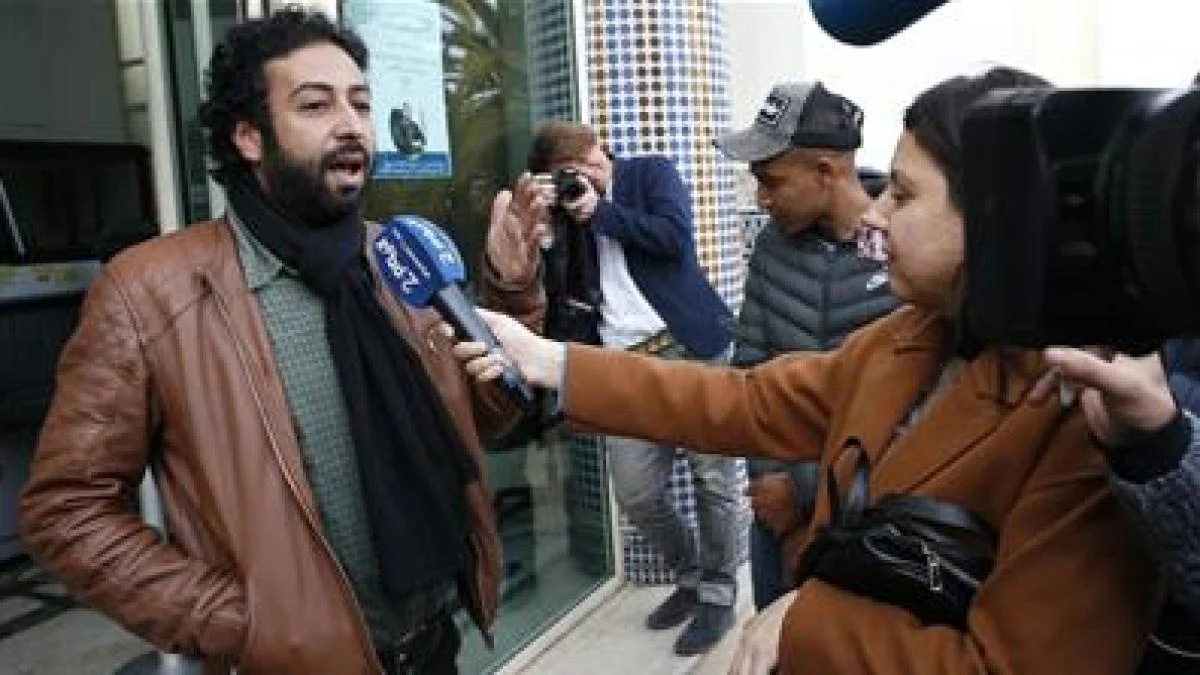
In a new allegation, Amnesty International says Moroccan journalists have been subjected to years of surveillance aimed at silencing their reporting. The claim comes from a whistleblower account shared with Amnesty, which alleges that surveillance tools were used to monitor journalists over an extended period. These surveillance claims highlight growing concerns over digital espionage targeting the press in North Africa.
The Moroccan government has not yet responded publicly to Amnesty’s report. The allegations focus on methods allegedly used to track journalists and restrict free expression. Such claims follow global patterns of state-linked monitoring of media professionals and activists.
Key Facts
- Amnesty International cited a whistleblower’s account of Moroccan surveillance against journalists.
- The allegation claims surveillance was used to silence journalists in Morocco.
- Moroccan journalists reportedly endured years of surveillance.
- No public response from Moroccan officials has been reported.
Amnesty Raises New Concerns Over Press Surveillance
Amnesty International said the whistleblower provided internal documentation suggesting that surveillance systems were deployed to monitor media figures in Morocco. The group claimed these efforts were intended to intimidate journalists and influence editorial decisions. Amnesty did not disclose further technical details about the methods used.
Press freedom advocates have long warned that Middle Eastern and North African governments employ surveillance technology to suppress critical journalism. These new claims contribute to ongoing debates about digital rights and press freedoms. The United Nations has expressed concern over such surveillance in past reports but did not react specifically to this case.
According to Al Jazeera – Breaking News, World News and Video from Al Jazeera, Moroccan journalists recount years of surveillance amid new Amnesty claim.
What Happens Next?
Amnesty International has not published a full report explaining the evidence behind its whistleblower claims. The lack of detailed disclosures makes it difficult to independently verify the extent of surveillance or the number of affected journalists. Analysts say future leaks could strengthen these allegations.
Without access to source documents or testimony from Moroccan officials, observers are left waiting for clarifications. Human rights groups may pursue additional investigations or seek court orders requiring disclosure of surveillance records. Until then, the scope and validity of these claims remain uncertain.
Still, the broader pattern of surveillance of journalists in authoritarian contexts underscores persistent risks to independent reporting worldwide.
What We Know — and What We Don’t
Verified by the source:
- Amnesty International cited a whistleblower’s account involving surveillance of journalists.
- Journalists in Morocco were allegedly monitored over multiple years.
- The purpose of surveillance was reportedly to silence reporters.
Still unconfirmed:
- The identity and credibility of the whistleblower remain unknown.
- Specific surveillance tools or agencies involved have not been named.
- No official confirmation or denial from Moroccan authorities has been reported.
Why It Matters
Surveillance of journalists threatens core democratic principles by undermining press independence and public accountability. When reporters cannot operate freely, essential information may be suppressed, weakening transparency across societies. These concerns gain urgency as digital surveillance becomes more accessible globally.
What To Watch
Further clarity may emerge if Amnesty releases detailed documentation or if Moroccan officials issue formal responses to the allegations.