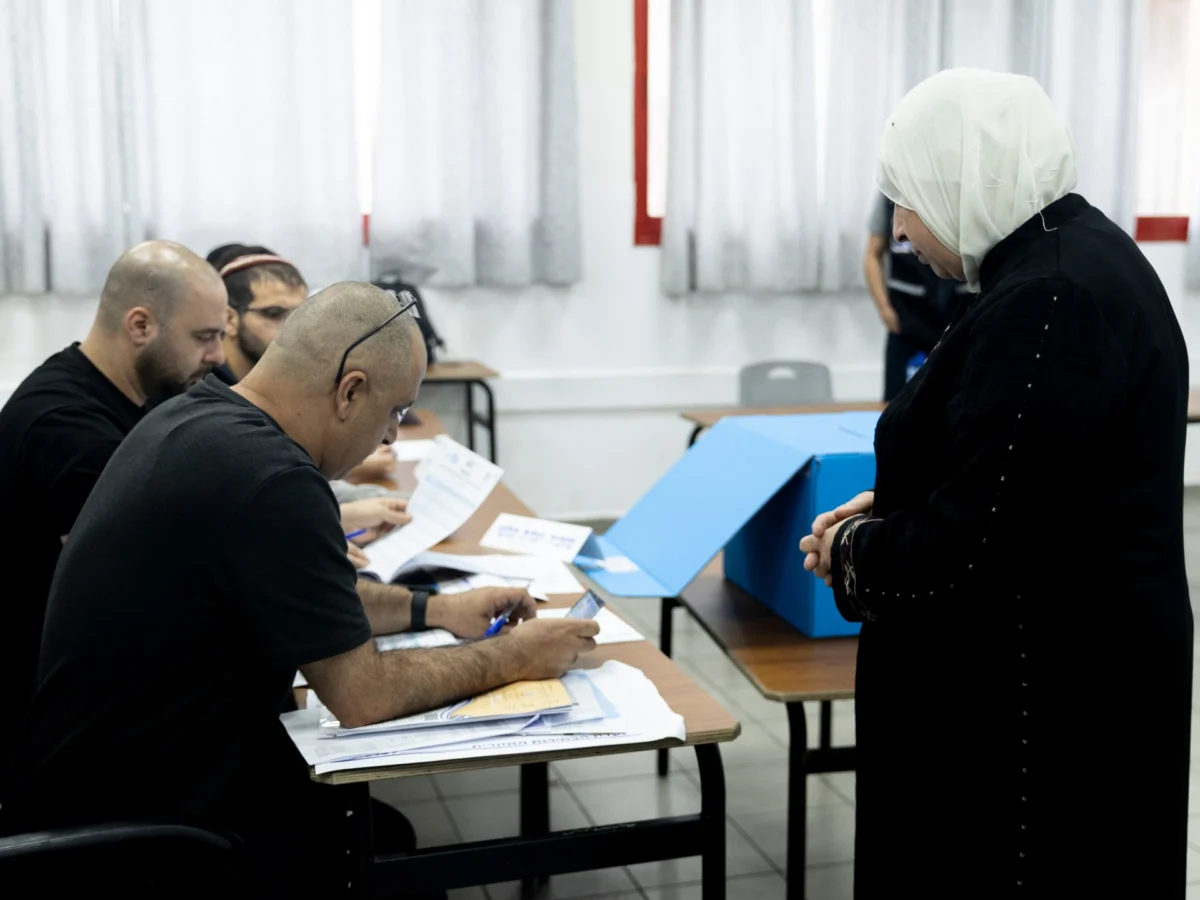
Arab political parties in Israel have accused Prime Minister Benjamin Netanyahu of inciting hatred after he suggested Arab voters were stealing elections. This accusation follows a social media post in which Netanyahu claimed Arab voters were ‘raiding the polling stations and stealing the elections.’ The claim has sparked sharp backlash from Arab parties, who argue the rhetoric is designed to scare voters and undermine trust in the democratic process.
Netanyahu’s post appears to be part of a broader strategy aimed at influencing public sentiment before elections. By highlighting allegations of fraud tied specifically to Arab voters, critics say the prime minister is attempting to delegitimize a key segment of the electorate. Arab political leaders maintain that these accusations are baseless and serve to deepen divisions within Israeli society. The controversy underscores ongoing tensions around electoral integrity and representation in the country’s multi-ethnic democracy.
KEY FACTS
- Arab parties accuse Netanyahu of inciting hatred
- Netanyahu claimed Arab voters are “raiding polling stations”
- Allegation suggests Arab voters are “stealing elections”
- Accusation frames rhetoric as voter intimidation tactic
What Is the Impact of These Allegations?
The allegations carry significant weight given the fragile nature of intergroup relations in Israel. Arab citizens make up roughly one-fifth of the population and hold substantial influence in certain electoral districts. Framing their participation as fraudulent threatens to delegitimize not just individual votes but the principle of inclusive suffrage. Political analysts note that such rhetoric often emerges during high-stakes campaigns where emotional appeals outweigh policy debates.
While Netanyahu has not publicly responded to the specific accusations from Arab parties, his previous statements have frequently drawn scrutiny over claims of divisive messaging. Supporters argue he is merely raising concerns about potential irregularities. Critics counter that singling out one community risks normalizing prejudice under the guise of electoral oversight.
How Did This Tension Develop?
Tensions between Netanyahu and Arab political factions have simmered for years, punctuated by moments of direct confrontation. Past elections have seen similar flare-ups, with both sides exchanging blame over voter conduct and campaign conduct. These recurring disputes reflect deeper ideological divides regarding citizenship, loyalty, and civic engagement among minority communities.
The current episode adds another chapter to this pattern, illustrating how electoral politics can amplify societal fault lines. With national elections looming, the stakes continue to rise, making responsible discourse essential to preserving democratic norms across all communities.
WHAT WE KNOW — and WHAT WE DON’T
Verified by the source:
- Arab parties formally accused Netanyahu of inciting hatred
- Netanyahu used language describing Arab voters as raiding polling stations
- The summary attributes the motive to scaring voters
Still unconfirmed:
- No official data or evidence cited supporting claims of voter fraud
- No response yet provided by Netanyahu or his office
- Details about timing or scope of the post remain unspecified
This story reflects broader debates about electoral fairness and representation in divided societies. When leaders question the legitimacy of certain voter groups, it poses challenges for maintaining neutral institutions. See more on [politics](/category/politics) and [war-geopolitics](/category/war-geopolitics).
WHY IT MATTERS
Accusations of this kind risk eroding confidence in free and fair elections—a cornerstone of any functioning democracy. In societies marked by ethnic or religious diversity, ensuring equal treatment of all voters is crucial to preventing conflict and reinforcing unity.
WHAT TO WATCH
Observers will monitor whether Netanyahu issues a formal rebuttal or adjusts his messaging amid growing pressure. Meanwhile, Arab parties may escalate their protest through legal channels or coalition actions.