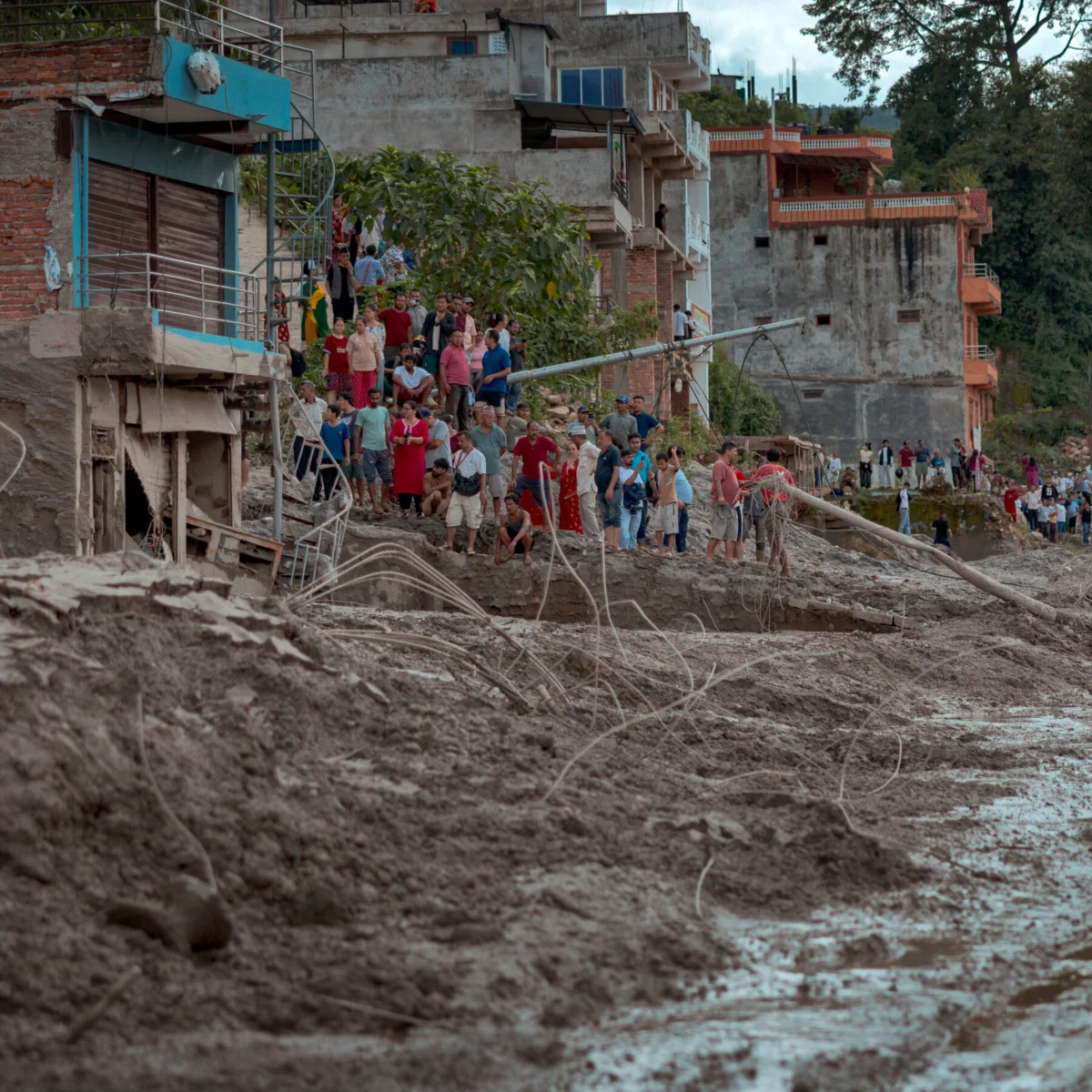
The speed of recent flash floods in Nepal likely overwhelmed the country’s early warning system, which relied on conventional river gauges in remote regions, according to scientists and disaster response researchers.
Nepal’s mountainous terrain and sudden monsoon-driven floods present unique challenges for early detection. The existing system, designed for slower-moving floods, may not have provided sufficient lead time for evacuations.
KEY FACTS
- Nepal’s flash floods likely moved too quickly for the early warning system to respond effectively.
- The system relied on a conventional network of river gauges in remote areas.
- Scientists and disaster response researchers raised concerns about the system’s limitations.
How Did the Warning System Work?
Nepal’s early warning system for floods depends on river gauges that monitor water levels in real time. These gauges are placed along major rivers and tributaries, particularly in flood-prone regions. However, in remote areas, the infrastructure is sparse, and data transmission can be delayed.
Flash floods, unlike slower river floods, can surge with little warning, especially in steep Himalayan valleys. The rapid onset may have outpaced the system’s ability to relay alerts to downstream communities.
What Challenges Did the System Face?
Remote geography complicates flood monitoring in Nepal. Many gauges are located in hard-to-reach areas where maintenance and real-time data collection are difficult. Additionally, communication networks in these regions may be unreliable, delaying warnings.
Scientists suggest that more advanced detection methods, such as satellite monitoring or automated sensors, could improve response times. However, funding and infrastructure constraints remain obstacles.
WHAT WE KNOW — AND WHAT WE DON’T
Verified by the source:
- Nepal’s early flood warning system uses river gauges in remote areas.
- The speed of the recent flash floods likely exceeded the system’s capacity.
Still unconfirmed:
- Whether any warnings were issued before the floods hit.
- How many communities were affected by delayed or missed alerts.
- Specific improvements being considered for the warning system.
WHY IT MATTERS
Effective early warning systems save lives by giving residents time to evacuate before floods strike. In Nepal, where flash floods are common during monsoon season, improving detection and alert systems could reduce casualties and property damage.
WHAT TO WATCH
Experts may call for upgrades to Nepal’s flood monitoring infrastructure, but implementation will depend on funding and technical support. Future research could assess whether faster detection methods could have mitigated the impact of these floods.