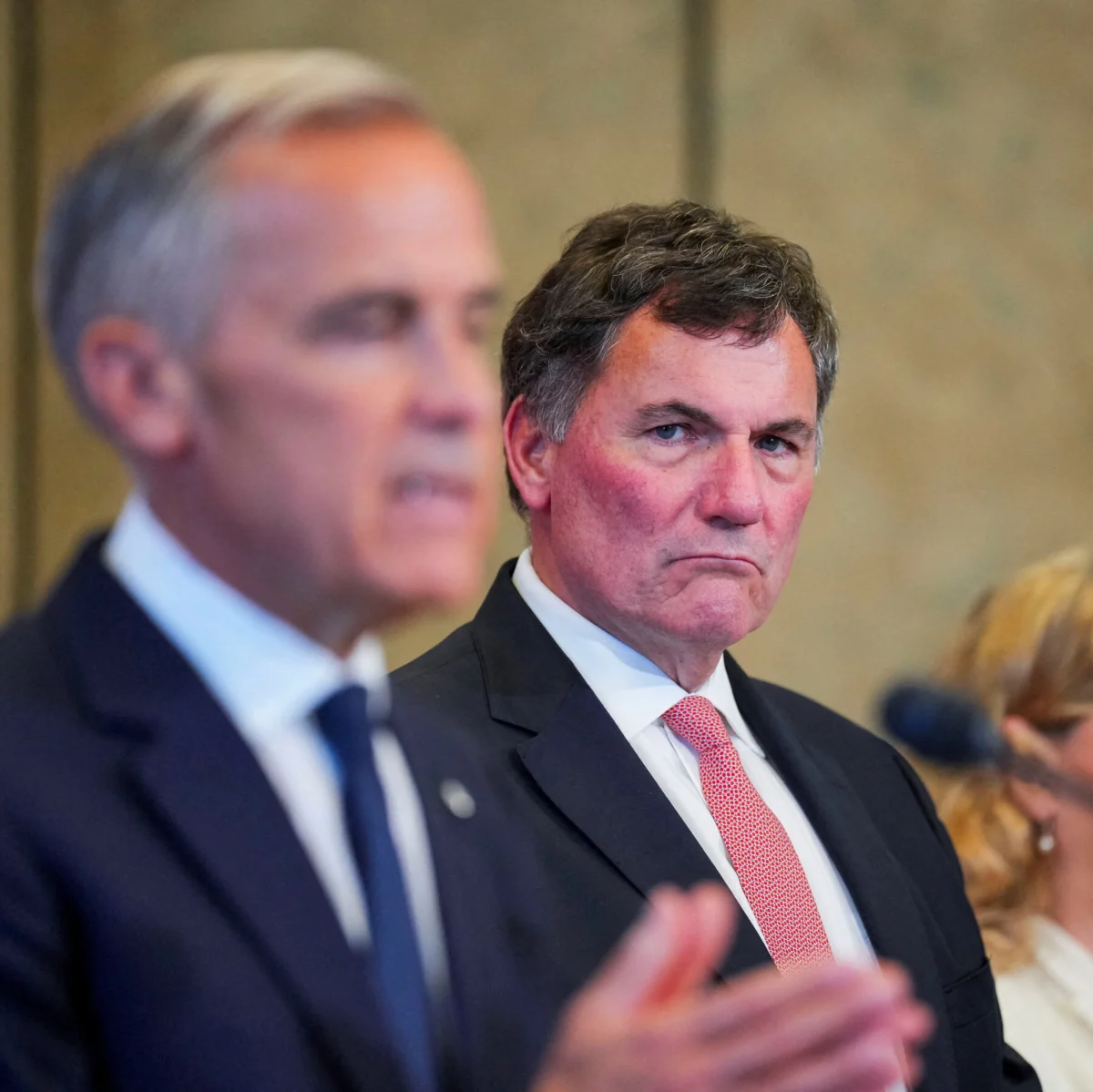
A Canadian official has suggested that easing the focus on French language provisions could help restart stalled trade talks with the United States. The minister in charge of trade with the U.S. made the remarks in response to comments by Jamieson Greer, the U.S. trade representative, during an interview with a Canadian broadcaster.
The statement highlights ongoing tensions between the two countries over trade negotiations and the role of French language protections in the discussions.
KEY FACTS
- A Canadian official suggested easing the French language issue might restart U.S. trade talks.
- The minister responded to comments by Jamieson Greer, the U.S. trade representative.
- The remarks were made during an interview with a Canadian broadcaster.
WHAT’S THE ISSUE WITH FRENCH LANGUAGE PROTECTIONS?
Canada has long maintained policies to protect the French language, particularly in Quebec, where it is the official language. These protections sometimes complicate trade agreements, as they can conflict with U.S. preferences for uniformity in regulations and labor practices. The Canadian government has historically insisted on safeguarding linguistic rights, which has occasionally led to friction in trade negotiations.
HOW DID THE U.S. RESPOND?
Jamieson Greer, the U.S. trade representative, recently commented on the matter in an interview with a Canadian broadcaster. While the exact content of his remarks is unclear, they prompted the Canadian trade minister to suggest that easing French language demands might facilitate progress in the U.S. trade talks. The U.S. has not yet publicly responded to this suggestion.
WHAT WE KNOW — AND WHAT WE DON’T
Verified by the source:
- A Canadian official suggested softening the French language stance to revive trade talks.
- The minister was responding to comments by Jamieson Greer, the U.S. trade representative.
Still unconfirmed:
- Whether the U.S. would be open to this compromise.
- Specific details of the U.S. trade representative’s remarks.
- How Canadian negotiators plan to adjust their position.
WHY IT MATTERS
Trade between the U.S. and Canada is a cornerstone of both economies, and prolonged disagreements can disrupt key industries. Finding a way to address sticking points like language protections could help finalize agreements that benefit businesses and consumers in both countries.
WHAT TO WATCH
Observers will monitor whether the U.S. signals willingness to negotiate on this issue and if Canada follows through with adjustments to its position. Further statements from either side could clarify the path forward for the U.S. trade talks.