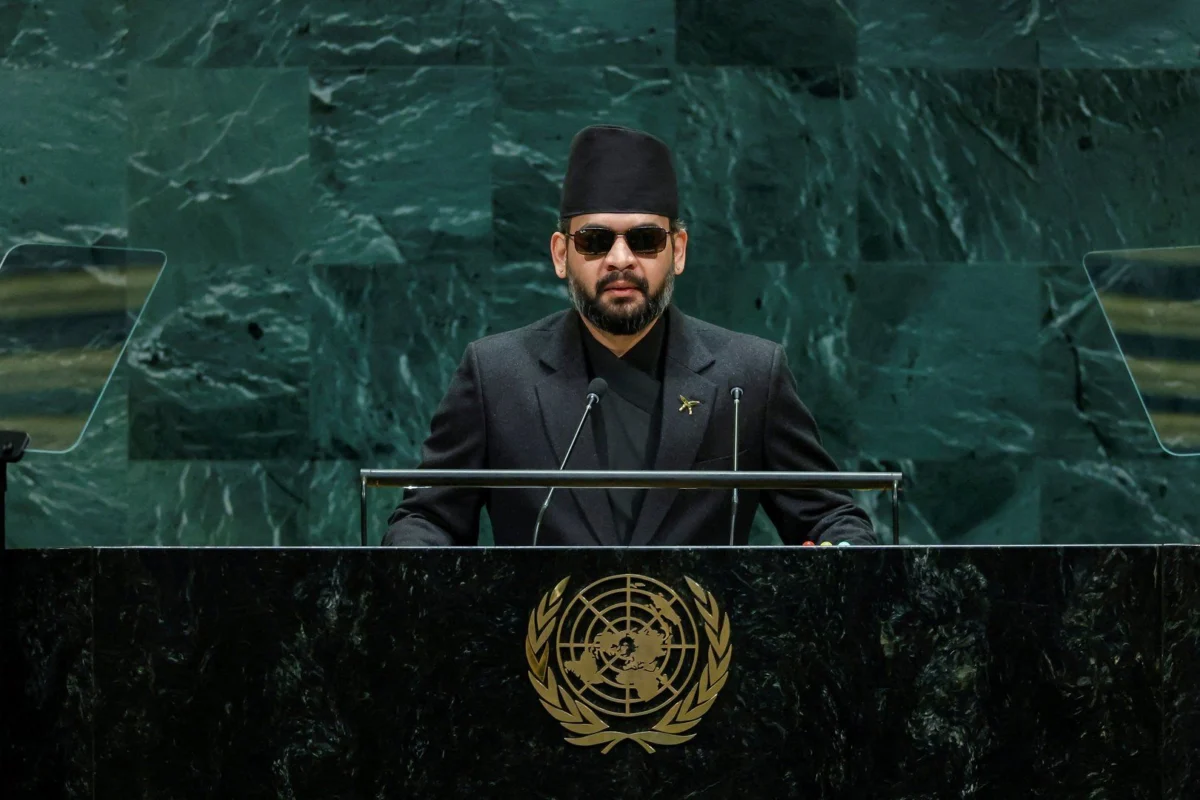
Nepal’s Prime Minister stated at the UN General Assembly that the global order is failing to adequately address the climate crisis. His speech received applause from delegates, underscoring international interest in Nepal’s stance on climate justice.
The address highlighted growing concerns among developing nations over the adequacy of current climate policies and funding mechanisms. The moment underscored how smaller countries are pressing wealthier powers for stronger commitments.
KEY FACTS
- Nepal’s Prime Minister Balendra Shah spoke at the UN General Assembly.
- He described the global order as broken in the fight against the climate crisis.
- His remarks on climate justice were met with applause.
Why the Speech Matters
How did we get here? Developing countries have long argued that industrialized nations bear disproportionate responsibility for greenhouse gas emissions and should lead in financing adaptation and mitigation efforts. Nepal’s prime minister echoed themes frequently raised in climate negotiations, including calls for greater financial support for vulnerable populations.
Speeches at the UN General Assembly often serve as platforms for shaping diplomatic momentum ahead of major summits. By framing the existing system as inadequate, leaders from poorer regions aim to influence future policy discussions and attract media attention to their priorities.
Who Is Affected by Climate Policies?
The outcomes of global climate talks directly impact low-income populations who face increasing risks from extreme weather events, rising sea levels, and food insecurity. These communities typically contribute least to carbon emissions yet suffer most severely from resulting environmental shifts.
International cooperation remains critical in addressing shared challenges posed by the climate crisis. Without binding frameworks ensuring equitable burden-sharing, progress may stall despite growing awareness.
WHAT WE KNOW — AND WHAT WE DON’T
Verified by the source:
- Nepal’s Prime Minister delivered a speech at the UN General Assembly focusing on climate justice.
- He characterized the global order as insufficient in confronting the climate crisis.
- He received applause during his presentation.
Still unconfirmed:
- Exact wording or full transcript details of the speech.
- Specific proposals or policy recommendations made by the prime minister.
- Names of countries or officials who responded publicly afterward.
Why It Matters
Voices from vulnerable nations play an essential role in holding global leaders accountable amid escalating ecological threats. Their advocacy pushes discussions toward fairness and inclusion rather than pure politics or economics alone.
WHAT TO WATCH
Further reactions from UN members or follow-up statements regarding concrete actions related to the issues raised remain pending.
Explore more developments in international climate diplomacy under our climate environment coverage or track geopolitical dynamics via our war geopolitics archive.