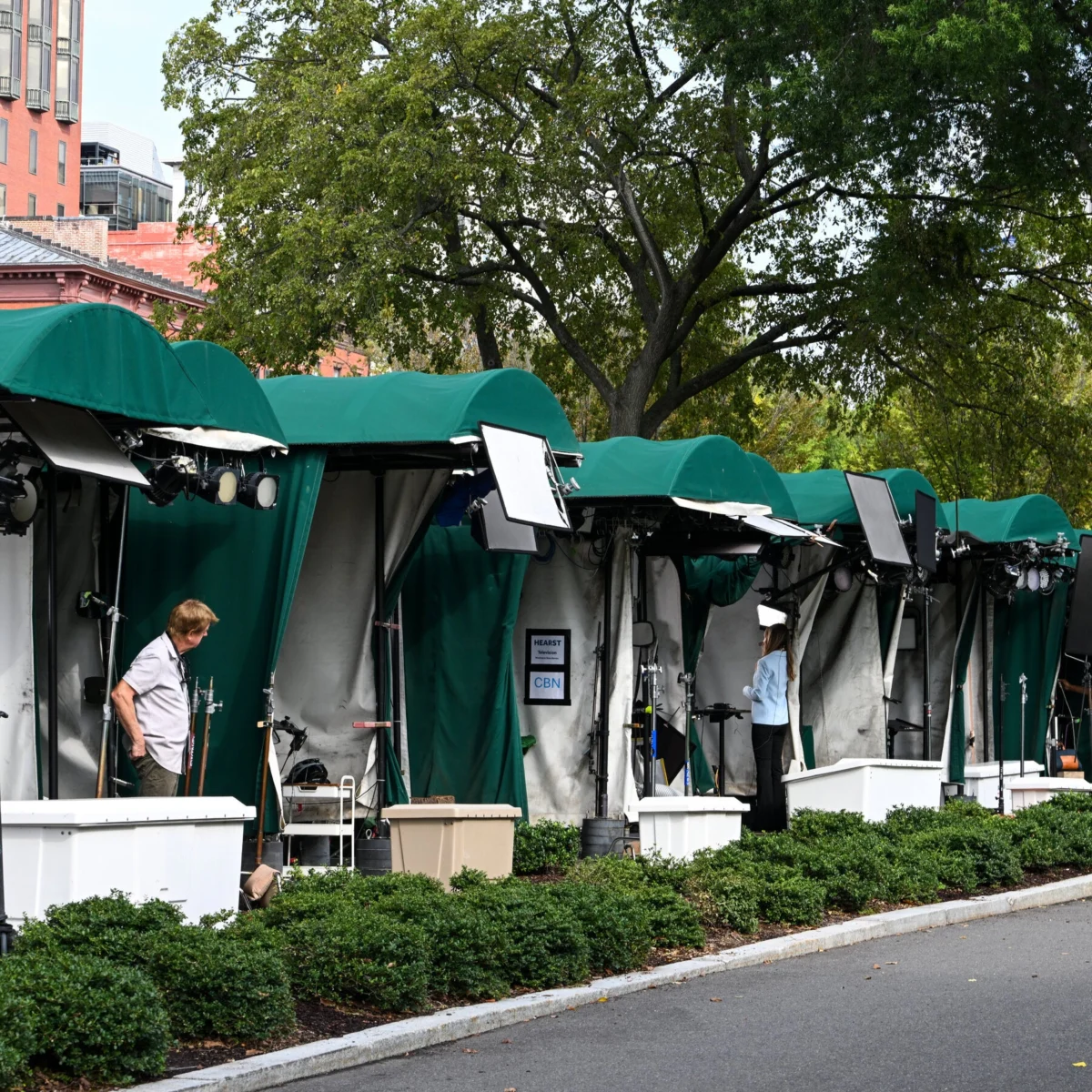
White House coverage by CNN and CBS is set to resume after a standoff between the networks and White House officials. Crews from both outlets had been barred from covering events, including those involving President Trump and Chinese leader Xi Jinping. The dispute centered on access restrictions tied to pool coverage protocols, a longstanding mechanism for distributing reporting among credentialed media.
The resolution allows both networks to return to the White House briefing room and event coverage, restoring their ability to report directly on presidential activities. White House coverage has grown increasingly tense in recent years, with shifting rules around which outlets receive access and how pool assignments are allocated. This reopening affects public access to information about presidential meetings and statements.
Key Facts
- CNN and CBS will resume White House coverage after resolving a standoff.
- The networks had been blocked from covering events involving President Trump and Chinese leader Xi Jinping.
- Coverage includes planned reporting on Two events scheduled for Friday.
- The standoff was tied to TV pool assignments and access protocols.
- Resolution restores both outlets’ ability to report from the White House.
The Story
What happens next?
With access restored, CNN and CBS crews are planning to cover two events on Friday involving President Trump and Chinese leader Xi Jinping. Their return marks the end of a temporary exclusion that limited direct broadcast reporting from the White House.
The restoration comes after negotiations over television pool protocols, which determine how broadcast slots are assigned among news organizations. These protocols are managed jointly by White House officials and media representatives, and disruptions often reflect broader tensions over press access.
White House coverage has been a recurring source of friction, especially during periods of heightened political scrutiny. Networks rely on pool assignments to ensure balanced access across outlets, and exclusions can delay reporting from reaching wider audiences.
Who is affected?
Both CNN and CBS viewers depend on live reporting from the White House for updates on presidential activities. The standoff temporarily limited on-air coverage from the West Wing, affecting how audiences followed events involving President Trump and Chinese leader Xi Jinping.
President Trump and Chinese leader Xi Jinping appeared together during two events covered by the returning crews. Their meetings often draw attention from both domestic and international observers, increasing demand for reliable broadcast reporting.
The resolution also impacts other news organizations that rely on pool reports to supplement their own coverage. When major networks are excluded, it can reduce the flow of real-time information to affiliates and digital platforms.
How did we get here?
Disputes over White House access typically arise from disagreements over pool selection or credentialing timelines. This latest standoff emerged after both networks were initially denied participation in upcoming coverage arrangements.
TV pool assignments are coordinated through a rotating system meant to distribute access fairly. When those arrangements break down, coverage gaps can occur until officials and news outlets reach new agreements.
Past standoffs have involved similar exclusions, suggesting ongoing negotiation challenges around press access. Each incident highlights the fragile balance between White House control and independent reporting rights.
What We Know & What We Don’t
Verified by the source:
- CNN and CBS will resume White House coverage after a standoff.
- The networks planned to cover two events involving President Trump and Chinese leader Xi Jinping.
- The events were scheduled for Friday.
Still unconfirmed:
- The cause of the original standoff between the networks and White House officials.
- Details about the agreement that allowed coverage to resume.
- Specific topics expected to be addressed at the two Friday events.
Why It Matters
White House coverage shapes how millions of viewers understand presidential activity. When networks are excluded, it can limit transparency and delay public access to official statements and meetings.
In an era where broadcast journalism plays a central role in democratic discourse, access disputes carry consequences beyond individual newsrooms. They affect how quickly and accurately major developments reach the general public.
Presidential meetings with foreign leaders, such as those involving Chinese leader Xi Jinping, often signal shifts in trade, security, or diplomatic policy. Direct reporting from these events helps inform voters and stakeholders.
What To Watch
How CNN and CBS deploy their resumed access during upcoming presidential events may indicate whether future disputes will escalate or ease.
Additional reporting from the two planned events should clarify whether this resolution reflects a broader restoration of press access.
Coverage updates from related archives: Politics and War & Geopolitics.