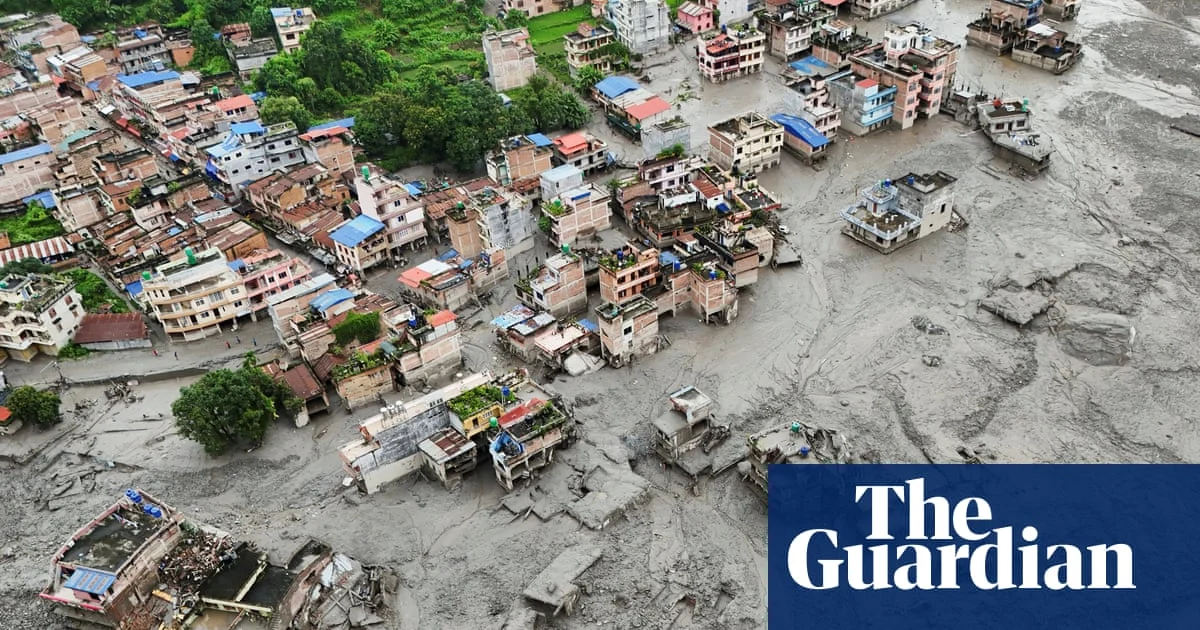
A devastating flash flood in Nepal near the Tibet border has left more than 1,000 people missing and at least 165 dead, with tourists accounting for the majority of the missing. The flood, caused by a glacial collapse, swept through populated areas, wiping out entire villages in a mountainous region popular with trekkers and pilgrims.
Rescue efforts are underway as authorities scramble to locate missing individuals, including hundreds of nationals from India, the US, UK, Australia, and Canada. The disaster has drawn international attention due to its scale and the high number of foreign visitors affected.
KEY FACTS
- More than 1,000 people are missing, mostly tourists, after a flash flood in Nepal and Tibet.
- At least 165 people have been confirmed dead.
- The flood was caused by a glacial collapse near the Nepal-Tibet border.
- Entire populated areas were swept away in the mountainous region.
- The area is popular with trekkers and pilgrims from multiple countries.
What caused the Nepal flash flood?
The flood was triggered by the collapse of a glacier in the mountainous region near the Nepal-Tibet border. This sudden release of water created a catastrophic flash flood that roared down valleys, destroying everything in its path. The force of the water was powerful enough to wipe out entire villages and populated areas.
Glacial collapses and subsequent floods are becoming more common in mountainous regions due to climate change, which causes glaciers to melt and become unstable. However, the source does not specifically attribute this event to climate change, only reporting the immediate cause as a glacial collapse.
Who is affected by the disaster?
The majority of those missing are tourists visiting the popular trekking and pilgrimage region. Hundreds of nationals from India, the US, UK, Australia, and Canada are among the missing, highlighting the international impact of this disaster.
Local communities have also been severely affected, with entire populated areas swept away by the floodwaters. The death toll of 165 is preliminary and likely to rise as rescue operations continue and more areas become accessible to search teams.
WHAT WE KNOW — AND WHAT WE DON’T
Verified by the source:
- Over 1,000 people are missing, mostly tourists
- At least 165 people have died
- The flood was caused by a glacial collapse
- Entire populated areas were swept away
- The affected region is popular with trekkers and pilgrims
Still unconfirmed:
- The exact number of casualties from specific countries
- Whether climate change played a role in the glacial collapse
- The full extent of property damage
- How long rescue operations will continue
- Whether there were any warnings before the flood
WHY IT MATTERS
This disaster highlights the vulnerability of mountainous regions to sudden natural catastrophes, particularly in areas popular with tourists. The high number of missing international visitors makes this a global concern, requiring coordinated rescue efforts and diplomatic coordination. The event also raises questions about infrastructure and emergency preparedness in remote tourist destinations.
WHAT TO WATCH
Rescue operations are ongoing as authorities work to locate missing persons. The death toll may rise as more areas become accessible to search teams. International cooperation will be crucial in identifying and assisting foreign nationals affected by the disaster.