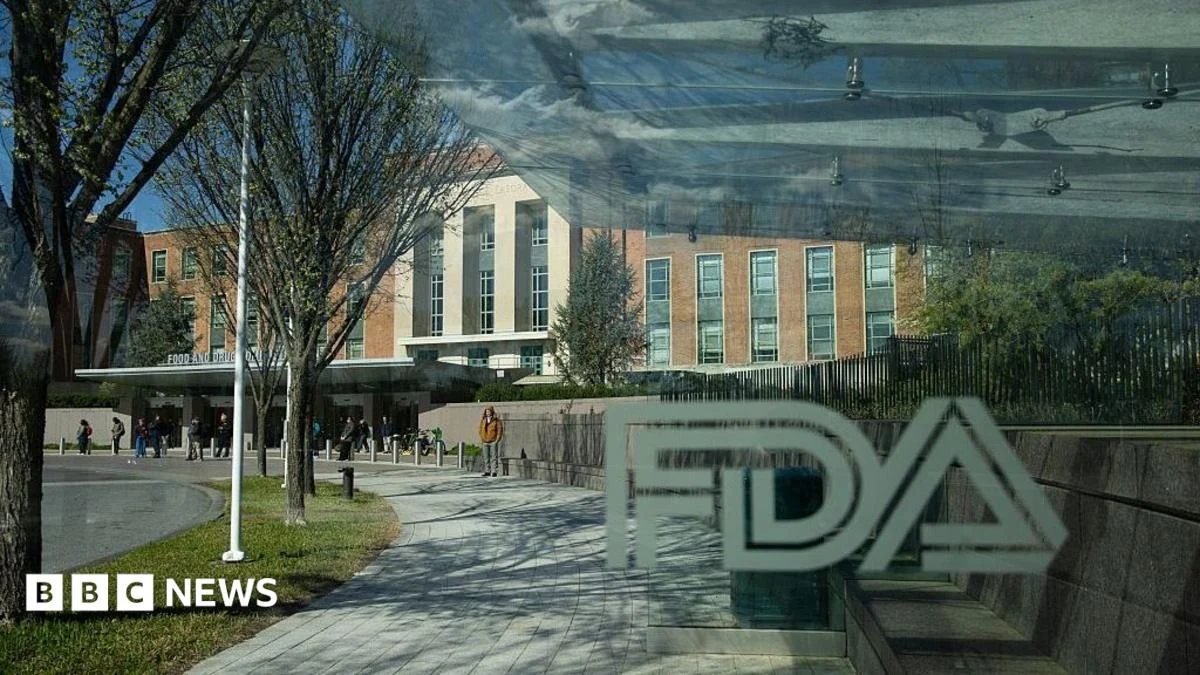
The US Food and Drug Administration has approved daraxonrasib, a new drug experts call a breakthrough treatment for pancreatic cancer. The medication has been described as a potential game-changer for a disease with notoriously low survival rates.
Key Facts
- The FDA approved daraxonrasib for pancreatic cancer treatment
- Experts describe the drug as a game changer
- Pancreatic cancer is one of the world’s deadliest cancers
Why this approval matters
Pancreatic cancer has historically had extremely poor survival rates, with few effective treatment options available. The disease is particularly aggressive and often diagnosed at late stages. This FDA approval marks a significant development in oncology, as new treatments for this cancer type have been desperately needed.
What makes this drug different?
While the source doesn’t specify daraxonrasib’s mechanism of action, breakthrough designation typically goes to drugs showing substantial improvement over existing therapies. Pharmaceutical innovations for pancreatic cancer have historically lagged behind other cancer types due to the disease’s complexity and rapid progression.
What We Know – and What We Don’t
Verified by the source:
- Daraxonrasib has received FDA approval
- Medical experts consider it a game-changing treatment
- Pancreatic cancer has extremely high mortality rates
Still unconfirmed:
- The drug’s specific mechanism of action
- Clinical trial results and efficacy rates
- Potential side effects or limitations
- Cost and insurance coverage details
Why It Matters
Pancreatic cancer claims tens of thousands of lives annually in the US alone, with five-year survival rates under 10% for advanced cases. Any meaningful therapeutic advance could significantly impact patient outcomes and quality of life.
What To Watch
Medical professionals will be monitoring real-world effectiveness as daraxonrasib enters clinical use, while researchers continue investigating whether this breakthrough might apply to other hard-to-treat cancers.