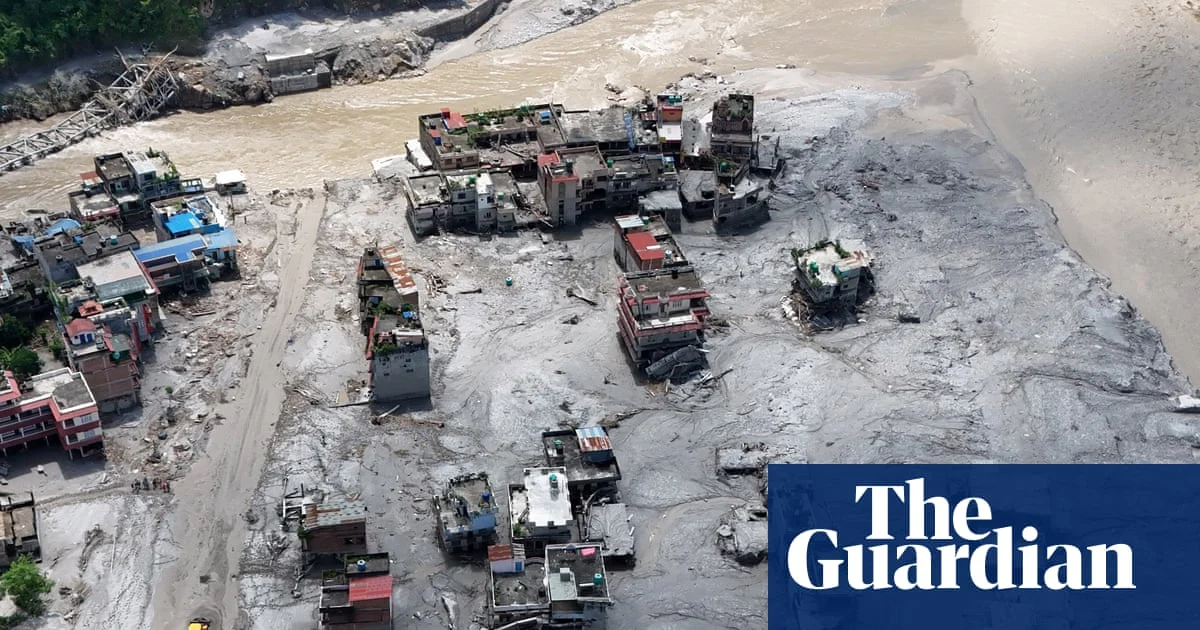
International aid efforts are accelerating in Nepal and Tibet as flash floods have left at least 469 dead and over 1,300 missing, with authorities warning of a rising flood lake that could burst. The floods, which struck on Wednesday, destroyed villages and infrastructure, leaving survivors in urgent need of assistance.
The disaster has prompted a swift response from the international community, but the threat of additional flooding from the unstable lake complicates relief efforts. Officials are working to prevent further loss of life as the situation remains critical.
Key Facts
- Flash floods in Nepal and Tibet have killed at least 469 people.
- More than 1,300 people are reported missing.
- A flood lake formed at the site of the torrents is rising and at risk of bursting.
- Entire villages and infrastructure have been swept away.
- The international community is scrambling to deliver aid.
What caused the Nepal-Tibet flash floods?
The immediate cause of the flash floods has not been detailed in the source, but such disasters are often triggered by heavy rainfall or glacial lake outbursts in mountainous regions. The floods tore through valleys, obliterating settlements and leaving survivors without shelter or basic necessities.
What happens next?
Relief efforts are focused on delivering aid to affected areas while monitoring the unstable flood lake. If the lake bursts, it could unleash another wave of destruction, compounding the existing humanitarian crisis. Authorities are prioritizing evacuation and emergency assistance.
What We Know — and What We Don’t
Verified by the source:
- At least 469 people have died.
- Over 1,300 individuals are missing.
- A flood lake is forming and poses a bursting risk.
Still unconfirmed:
- The exact cause of the flash floods.
- Current conditions of the missing persons.
- Long-term plans for rebuilding infrastructure.
Why It Matters
This disaster highlights the vulnerability of mountainous regions to extreme weather events, exacerbated by climate change. Immediate aid is critical to save lives, but long-term solutions are needed to mitigate future risks.
What To Watch
Relief operations will continue as authorities assess the stability of the flood lake. Further updates on casualties and missing persons are expected in the coming days.