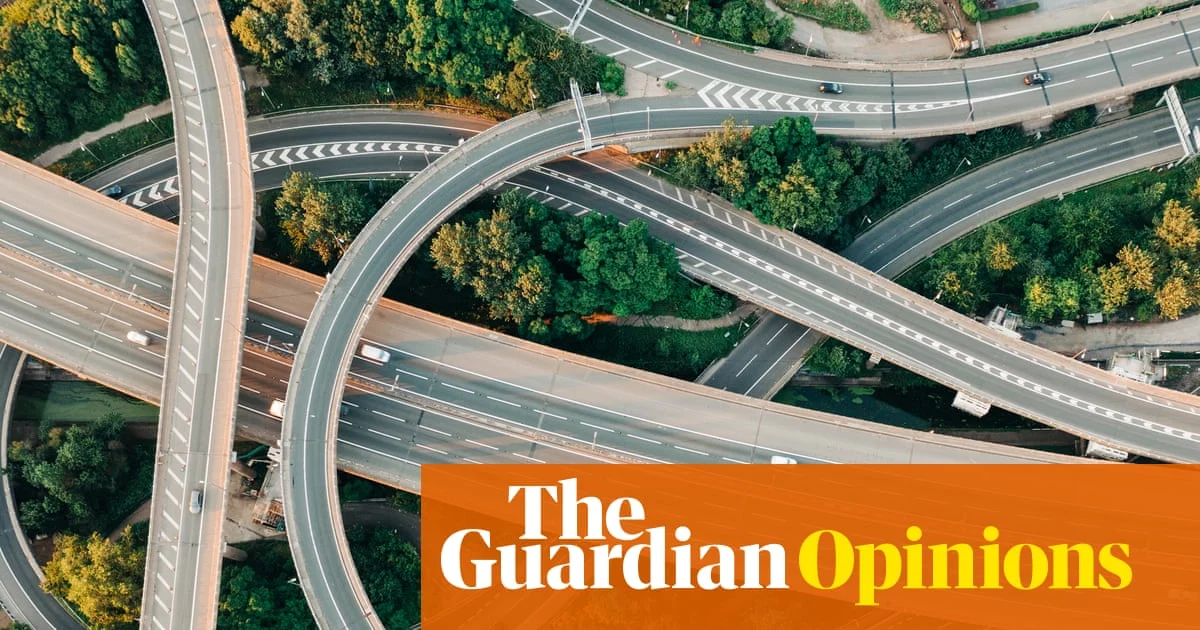
Birmingham city council is planning to introduce a 20mph speed limit on all roads except major thoroughfares, marking a significant shift in transport policy. This move could inspire similar changes in other cities, reflecting a broader trend toward prioritizing safety and reducing reliance on high-speed road networks.
Key Facts
- Birmingham city council plans a 20mph speed limit on most roads.
- The policy excludes a few major thoroughfares.
- Birmingham was historically centered around car manufacturing and high-speed road designs.
How Did We Get Here?
In the 1960s, Birmingham was a hub for the UK car industry, with roads designed more for testing vehicles than for pedestrian or cyclist safety. The city’s transport infrastructure prioritized motorists, featuring racetrack-style networks, elevated routes, and roundabouts that discouraged walking and cycling. This new policy represents a departure from that legacy.
What Happens Next?
If Birmingham’s initiative proves successful, it could set a precedent for other cities to adopt similar 20mph speed limits. Observers will watch for changes in traffic patterns, safety metrics, and public reception to determine the policy’s effectiveness and broader applicability.
What We Know — and What We Don’t
Verified by the source:
- Birmingham city council is imposing a 20mph speed limit on most roads.
- The policy excludes major thoroughfares.
Still unconfirmed:
- The exact timeline for implementation.
- Potential penalties for violators.
Why It Matters
This shift toward lower speed limits reflects a growing emphasis on urban safety and sustainable transport. It could encourage other cities to rethink their own transport policies, balancing the needs of motorists with those of pedestrians and cyclists.
What To Watch
The success of Birmingham’s 20mph speed limit policy could influence other cities to adopt similar measures. Public feedback and traffic data will be critical in assessing its impact and future viability.