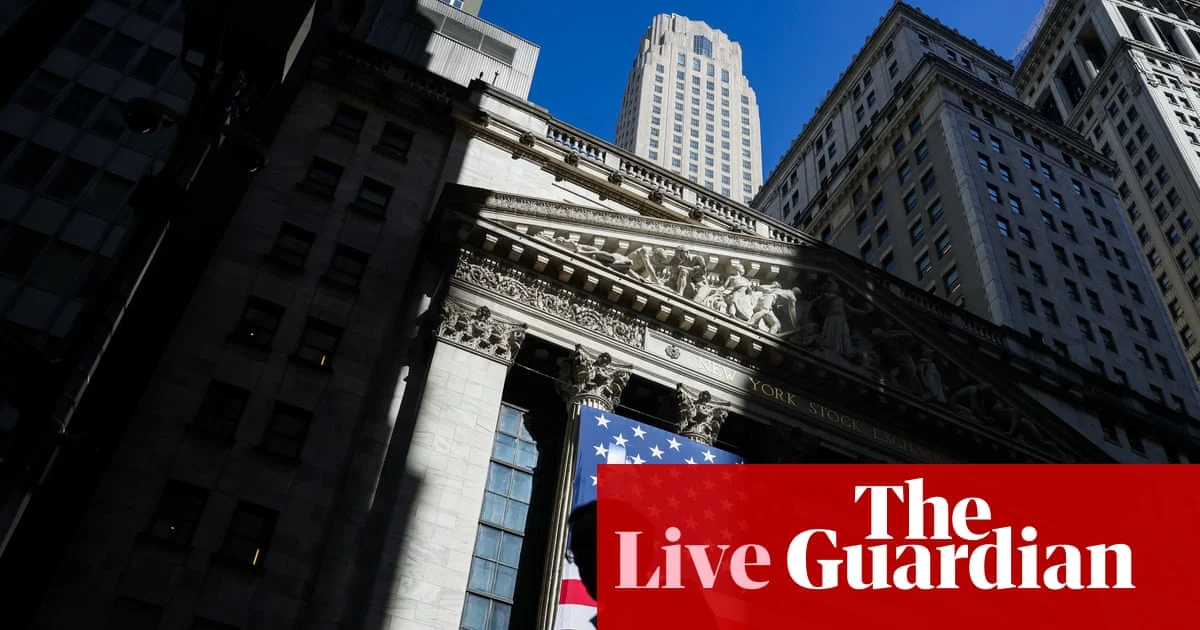
Nasdaq Record High
The Nasdaq climbed to a record high following a weaker-than-expected US jobs report, suggesting a possible pause in Federal Reserve interest rate hikes. The US economy added only 29,000 jobs in September, a figure significantly below market expectations, easing concerns over aggressive monetary tightening.
Investors reacted positively to the subdued job growth data, as it reinforced expectations that inflationary pressures may be cooling. A slower labor market often signals reduced wage growth and softer consumer demand, both of which can temper inflation and reduce the need for central banks to raise borrowing costs.
Key Facts
- Nasdaq hits record high after a weaker-than-expected US jobs report.
- US added only 29,000 jobs in September, below expectations.
- Data may deter the Federal Reserve from raising interest rates.
- UK diesel price reached a record high of £2 per litre.
- Core inflation in the eurozone rose to 2.5% in September.
What Happens Next for Markets and Policy?
The surprising drop in US job creation to just 29,000 positions in September has introduced uncertainty into the Federal Reserve’s monetary policy outlook. Analysts note that persistently weak employment data could signal underlying economic fragility, pressuring policymakers to delay or reconsider planned rate increases. A pause in tightening would support equity valuations, particularly in rate-sensitive tech sectors driving the Nasdaq’s recent gains.
Meanwhile, inflation trends remain central to global economic planning. In the eurozone, core inflation rose slightly to 2.5% in September, up from 2.4% in August. While modest, this uptick keeps pressure on the European Central Bank to maintain restrictive financial conditions despite weakening growth signals across the region.
Global Inflation Pressures Persist
Beyond equities and central bank meetings, consumers worldwide are feeling the pinch. In the UK, diesel prices hit a record high of £2 per litre, reflecting ongoing energy cost volatility linked to geopolitical tensions and supply chain disruptions. These elevated fuel costs contribute to broader inflation pressures, complicating efforts by governments to stabilize household expenses without stoking further price increases.
Policymakers face a delicate balancing act. Raising interest rates curbs inflation but risks slowing economic activity. Holding rates steady supports growth but may allow inflation to entrench. Market movements like the Nasdaq’s rally reflect investor sentiment that central banks might lean toward caution amid mixed economic indicators.
What We Know — and What We Don’t
Verified by the source:
- The Nasdaq reached a record high after a weaker-than-expected US jobs report.
- The US economy added 29,000 jobs in September.
- Weaker job data may deter the Federal Reserve from raising interest rates.
- UK diesel prices rose to a record high of £2 per litre.
- Core eurozone inflation increased to 2.5% in September.
Still unconfirmed:
- The exact timing of future Federal Reserve policy decisions.
- Whether current trends indicate a broader economic downturn.
- The identity of specific officials influencing upcoming rate calls.
- Long-term impacts of energy price shocks on consumer behavior.
Why It Matters
This confluence of events highlights the fragile equilibrium between inflation control and economic stability. For investors, understanding how employment data influences central bank actions is crucial, especially in tech-heavy markets sensitive to rate fluctuations. Meanwhile, rising living costs due to fuel and food prices continue to strain households globally, shaping political and economic landscapes far beyond financial markets.
What To Watch
All eyes will soon turn to upcoming economic releases and central bank communications for clearer guidance on monetary policy direction. Any deviation from current projections could spark renewed market volatility.