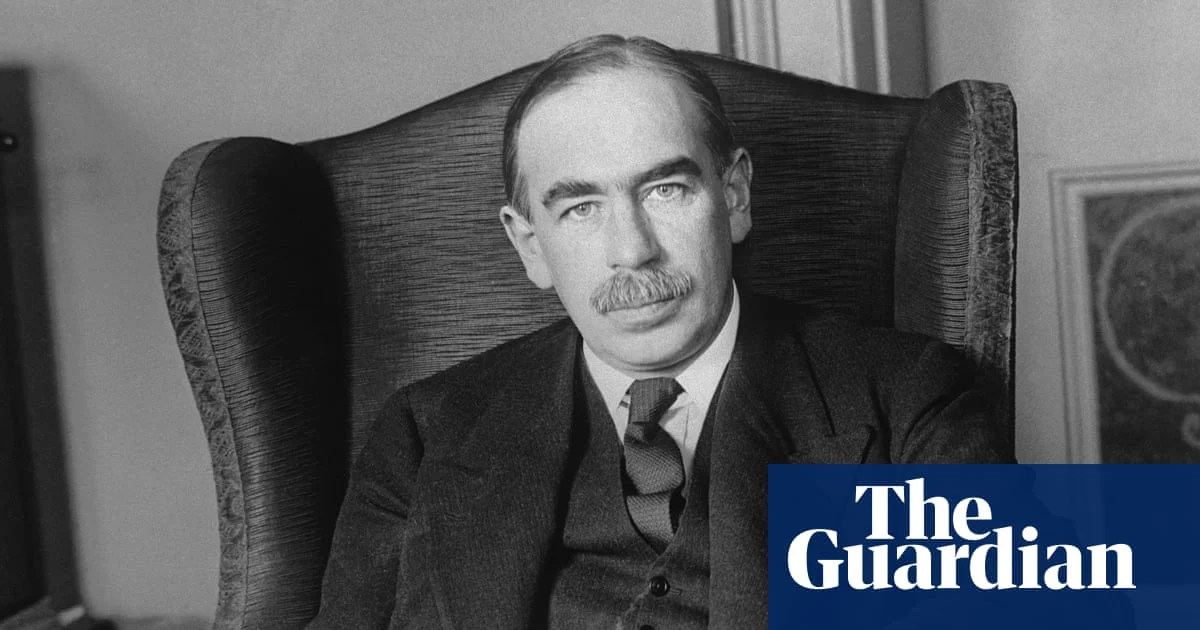
Late economist John Maynard Keynes remains a touchstone for governments facing economic crisis, as a new play highlights his dual legacy as scholar and art collector.
During World War I, Keynes traveled through northern France in 1918 not on military business but to bid at an auction of Edgar Degas’s studio, returning to London with impressionist works for the National Gallery.
KEY FACTS
- New play examines Keynes’ life and rivalry with Friedrich Hayek.
- Keynes bought art for the National Gallery during World War I.
- Trip occurred in spring 1918 amid German advances in northern France.
- He spent £20,000 at the Degas estate auction after petitioning the chancellor.
Who Was John Maynard Keynes?
Keynes was a Cambridge-trained economist whose theories shaped post-war fiscal policy and later responses to the Great Depression. His advocacy for government intervention during downturns contrasted sharply with Austrian economist Friedrich Hayek, who favored free markets. That intellectual clash forms the backdrop of the new stage production, which dramatizes both men’s influence on modern capital systems.
Born into an intellectually rich environment, Keynes moved easily between numbers and aesthetics. He co-founded the Arts League of Service and supported artists through patronage. This fusion of culture and commerce defined his worldview, reflected in choices like the 1918 art mission.
How Did We Get Here?
In April 1918, while Allied forces battled German troops along the Western Front, Keynes took leave from his Treasury duties to attend the sale of Degas’s remaining works. The journey itself carried risk—train lines ran near active combat zones—and yet he secured pieces now held by major museums. His petition to then-Chancellor Andrew Bonar Law authorized unusually large wartime spending on cultural assets.
This episode illustrates how public policy once embraced art as essential infrastructure. Today, debates over funding for creative industries echo similar tensions between immediate needs and long-term cultural value.
WHAT WE KNOW — AND WHAT WE DON’T
Verified by the source:
- A new stage play focuses on Keynes and his rivalry with Hayek.
- In spring 1918, Keynes attended the Degas studio auction in Paris.
- He purchased impressionist artworks for the National Gallery.
- Spending £20,000 followed approval from the chancellor of the exchequer.
Still unconfirmed:
- Exact titles or playwright credited with the new production.
- No quoted material from creators or cast members appears in press reports.
- Dates and venues for the play remain unspecified.
Why It Matters
Understanding historical precedents helps policymakers navigate today’s economic uncertainty. Revisiting Keynes offers insights into how leaders balance pragmatism with vision—an enduring tension explored through this timely theatrical portrait.
What To Watch
Updates will emerge as the play tours or opens officially; meanwhile, economists continue weighing stimulus versus austerity amid volatile markets.