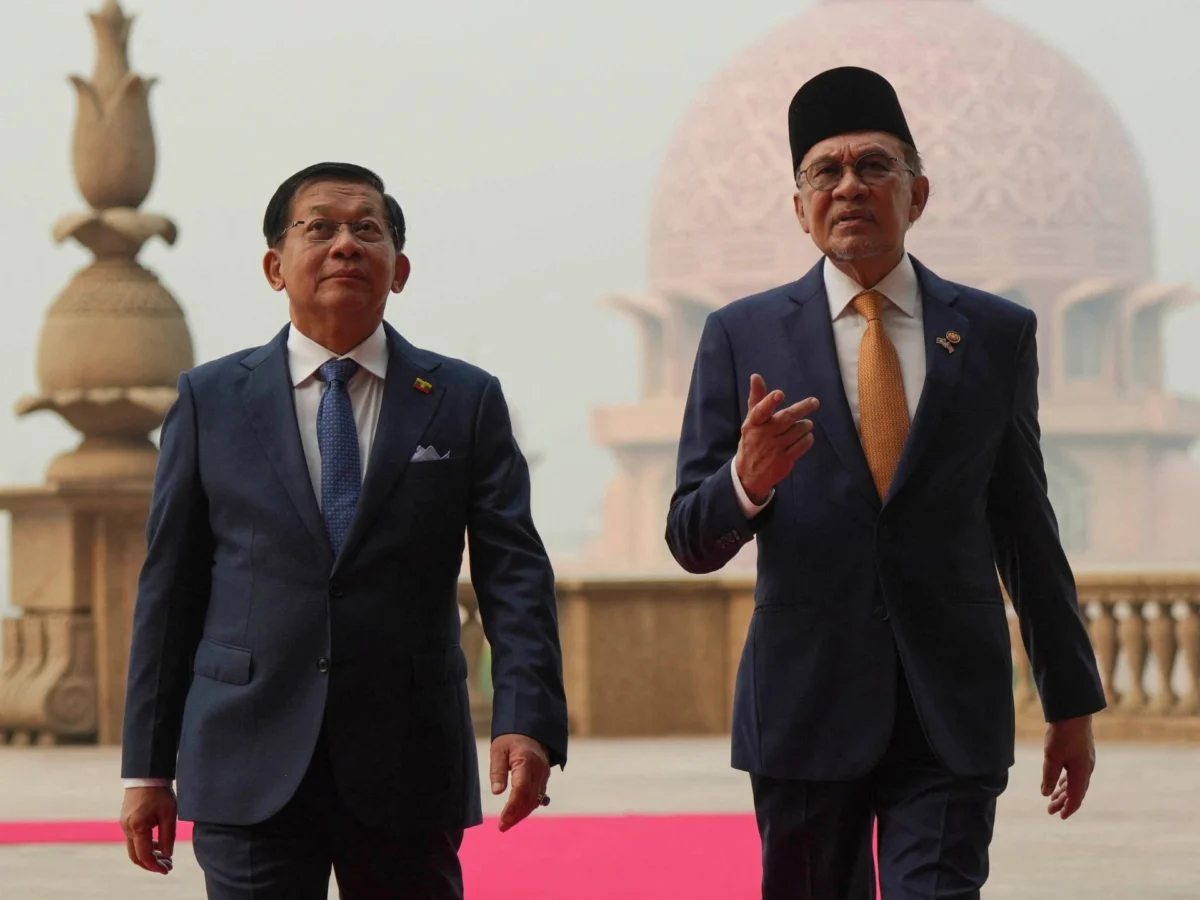
In a surprising diplomatic shift, ASEAN leaders have begun re-embracing Myanmar’s coup leader-turned-president, despite an ongoing armed conflict that continues to displace civilians. This renewed regional acceptance comes even as critics warn that legitimizing the military-backed leader could strengthen a regime still accused of bombing civilian areas, raising fresh questions about regional priorities and humanitarian pressure.
The move marks a notable departure from earlier ASEAN stances, when the bloc largely isolated Myanmar’s military government following the 2021 takeover. Now, with the coup leader having transitioned into the presidency, neighboring leaders appear to be resuming formal and informal engagement. Regional diplomats have not publicly detailed the full scope of this re-engagement, but observers note increased attendance at regional forums and bilateral meetings involving the Myanmar leader.
Who is affected by ASEAN’s shifting stance?
The people most directly affected remain civilians caught in active combat zones across Myanmar, where airstrikes and shelling reportedly continue. Aid groups have repeatedly warned that escalating violence limits access to food, medicine, and shelter for displaced populations. At the same time, ethnic armed organizations and opposition movements view ASEAN’s outreach as potentially legitimizing a leader whose government they say is responsible for widespread civilian harm. For regional states, the shift reflects a delicate balance between diplomacy, stability, and moral accountability.
What happens next for Myanmar and ASEAN?
The trajectory of this re-engagement is unclear. ASEAN has not issued a formal statement outlining conditions or expectations tied to its renewed dialogue with the Myanmar leader. Critics fear that without enforceable humanitarian safeguards, the military government may interpret regional acceptance as validation rather than pressure for reform. The United Nations and human rights organizations have not yet issued public responses specifically addressing ASEAN’s latest approach, leaving open questions about whether external actors will coordinate further condemnation or increased leverage.
Key Facts
- ASEAN leaders are embracing Myanmar’s coup leader-turned-president, despite an ongoing war.
- Critics warn this could embolden a military still bombing civilians.
- The war continues with active conflict affecting civilian populations.
- Regional engagement appears to be increasing after prior isolation.
- No formal ASEAN conditions have been publicly linked to this diplomatic shift.
What We Know — and What We Don’t
Verified by the source:
- ASEAN leaders are engaging with Myanmar’s coup leader-turned-president.
- The military continues to carry out airstrikes and attacks.
- Critics argue this could empower the military further.
- Prior ASEAN isolation has shifted toward renewed dialogue.
Still unconfirmed:
- No details on specific ASEAN meetings or bilateral agreements.
- No public statements from the UN or major rights groups on this development.
- No confirmed civilian casualty figures tied to recent bombings.
- No timeline or framework provided for ASEAN engagement.
Why It Matters
Regional diplomacy carries weight far beyond ceremonial gestures, especially in conflict zones where legitimacy can determine access to aid, arms negotiations, and international recognition. ASEAN’s apparent recalibration—toward restoring dialogue with a military leader — sends a signal not only to Myanmar’s population and armed groups but also to other authoritarian governments in the region. For ordinary civilians enduring bombardment and displacement, the difference between isolation and acceptance by neighboring states can mean shifts in humanitarian attention, border openness, and long-term peace prospects.
What To Watch
Observers will look for whether ASEAN releases formal guidance on its engagement policy and whether any humanitarian conditions accompany renewed diplomatic ties.
Meta description: ASEAN leaders are once again engaging with Myanmar’s coup leader-turned-president, despite an ongoing war and mounting criticism that this legitimizes a military still bombing civilians.
Source: Al Jazeera – Breaking News, World News and Video from Al Jazeera