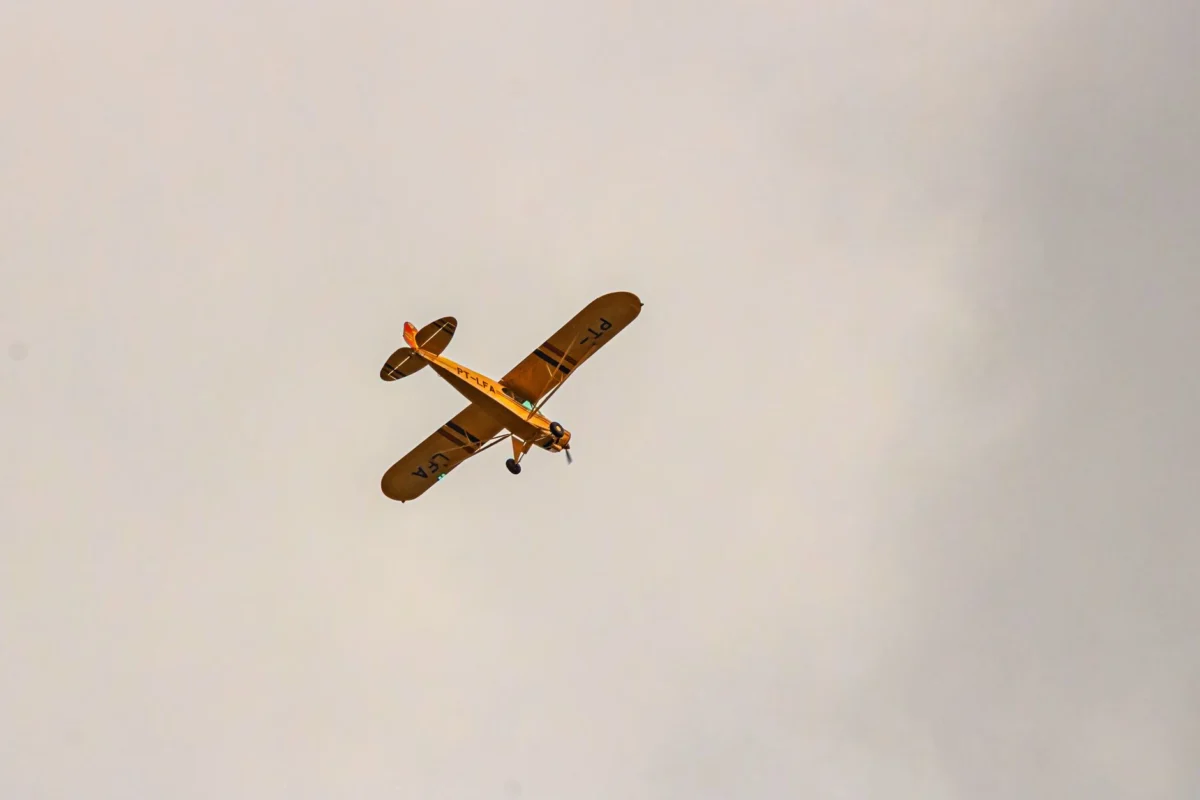
Years after a 2021 military coup, Myanmar’s armed forces have increasingly weaponized recreational light aircraft, using motorized paragliders and gyrocopters to bomb towns and villages in contested territory. These aerial craft weapons represent a shift toward low-cost, accessible means of aerial attack in a conflict that has already displaced hundreds of thousands.
The use of such aircraft underscores how readily available technology can be adapted for military purposes, especially in a country where formal air power may be limited or contested. While the exact scale and frequency of these attacks remain unclear, their growing prevalence suggests a calculated tactic rather than isolated incidents.
KEY FACTS
- Myanmar’s military has increasingly used light aircraft as weapons in its ongoing conflict.
- Motorized paragliders and gyrocopters are the primary types of craft being deployed.
- These aircraft are being used to bomb towns and villages in rebel-held territory.
- The trend has emerged years after a military coup reshaped the country’s governance and security landscape.
What are these aircraft, and why are they suited for this role?
Motorized paragliders and gyrocopters are lightweight, relatively inexpensive aircraft that require minimal infrastructure to operate. Unlike traditional fighter jets or helicopters, they can be launched from open fields or improvised runways, making them difficult to detect and target. Their small size and low radar signature allow them to fly under the radar—literally—of many conventional defense systems.
In the context of Myanmar’s protracted civil conflict, these aircraft offer a cost-effective way for the military to project force into areas held by ethnic armed organizations and pro-democracy resistance groups. Their ability to carry small payloads of explosives makes them suitable for hit-and-run tactics, which can demoralize populations and disrupt supply lines without requiring sustained engagement.
Who is affected by these attacks?
The populations in rebel-held territories are the most directly affected by these aerial bombings. These areas, often located in remote or mountainous regions, are home to ethnic minorities who have long faced marginalization and violence. Civilians in these communities are vulnerable to attacks due to limited access to shelter, medical care, and early warning systems.
Humanitarian organizations have repeatedly raised concerns about the impact of such tactics on non-combatants. Without clear data on casualties or damage, the scope of civilian harm remains difficult to quantify. However, the psychological toll of living under constant threat from the sky adds another layer of trauma to an already beleaguered population.
How did we get here?
The military coup of February 2021 marked a turning point in Myanmar’s decades-long history of internal conflict. Following the coup, the ruling junta faced widespread resistance, including from ethnic armed groups and newly formed civilian defense forces. As fighting intensified, both sides sought to gain strategic advantages through any available means.
The adaptation of recreational aircraft into offensive weapons reflects a broader pattern of improvisation in modern warfare. With international sanctions limiting access to advanced military hardware, the Myanmar military has turned to domestically sourced or commercially available equipment to maintain operational capability. This includes modifying civilian drones, vehicles, and now, light aircraft for combat roles.
WHAT WE KNOW — AND WHAT WE DON’T
Verified by the source:
- The Myanmar military is using motorized paragliders and gyrocopters in combat operations.
- These aircraft are being used to bomb towns and villages in rebel-held areas.
- This practice has increased in frequency in the years following the 2021 coup.
Still unconfirmed:
- The exact number of attacks carried out using light aircraft.
- Casualty figures or physical damage resulting from these bombings.
- Specific locations or units involved in deploying these aircraft.
- Whether this tactic is part of a formal military strategy or ad hoc decision-making.
While the global community focuses on major battleground states, the militarization of everyday technology in conflicts like Myanmar’s highlights a growing challenge: how to monitor and respond to threats that are cheap, nimble, and hard to trace. For readers following developments in war and geopolitics, this story illustrates how asymmetric warfare continues to evolve in the digital age.
Looking ahead, observers will watch whether the international community expands sanctions or arms embargoes to cover light aircraft components. Reports of specific attacks or responses from resistance groups could also shed more light on how effective these aerial craft weapons truly are. As always, verification depends on on-the-ground reporting that remains difficult in Myanmar’s closed conflict zones.