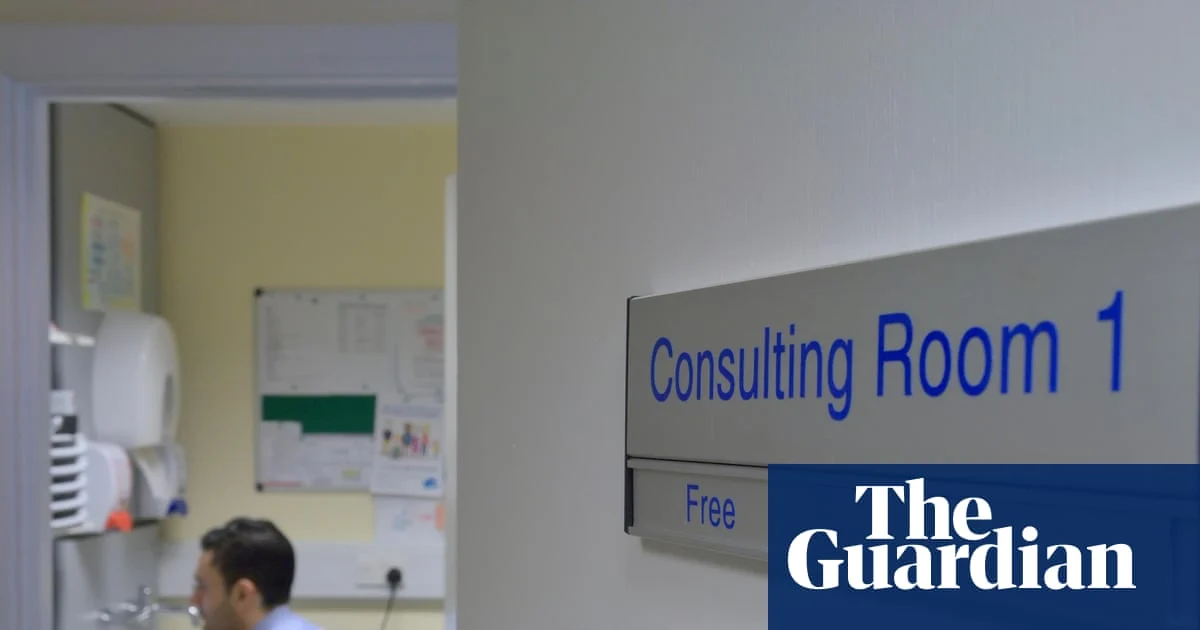
Three in four UK GPs say they are too busy to talk to their patients in depth, according to research from the profession’s representative body. While a friendly, in-depth chat about health and wellbeing was once a hallmark of UK general practice, GPs now report being overwhelmed by rising levels of illness, leaving little room for preventive or pastoral discussions.
The findings suggest a shift away from holistic, patient-centred care toward a more pressured, service-driven model, raising concerns about long-term public health outcomes.
KEY FACTS
- Three in four UK GPs are too busy to talk to patients in depth.
- Most GPs have no time to discuss preventive health measures.
- Rising tide of illness is consuming GP time.
- Pastoral conversations are no longer feasible for most doctors.
- Findings come from doctors’ professional body research.
THE STORY
Who Is Affected?
The report, compiled by the family doctors’ professional body, surveyed a representative sample of UK general practitioners. Those surveyed indicated that their daily schedules leave little room for anything beyond urgent clinical tasks. Preventative care, mental health check-ins, and lifestyle advice are increasingly deferred or skipped altogether.
The shift reflects broader pressures on the National Health Service, including workforce shortages, an aging population, and increased demand for chronic disease management. For patients, this may mean fewer opportunities to build trusted relationships with their GPs or receive proactive health guidance.
How Did We Get Here?
Historically, UK general practice emphasized continuity of care and open-ended consultations. However, over the past decade, appointment slots have shortened, and the volume of daily patient interactions has risen. The professional body’s research highlights that GPs now spend most of their time managing acute conditions rather than engaging in the reflective, preventive consultations that once defined their role.
This evolution mirrors systemic underfunding and staffing gaps across primary care. While some practices have introduced additional roles — such as nurse practitioners or pharmacists — many report that these measures have not fully addressed the time constraints faced by GPs themselves.
What Happens Next?
Without intervention, the erosion of in-depth GP consultations could deepen public health challenges. Delayed prevention efforts may lead to higher rates of chronic disease and increased emergency care usage. The professional body has not yet announced specific policy recommendations, but the findings add momentum to ongoing debates about reforming primary care delivery.
Policymakers are under pressure to address workload concerns, although concrete plans for reducing GP burden remain unclear. Future research may explore whether digital tools or team-based care models can help restore consultation time without compromising clinical quality.
WHAT WE KNOW — AND WHAT WE DON’T
Verified by the source:
- Three in four UK GPs feel too busy for in-depth patient conversations.
- GMS have no time to discuss preventive health measures.
- Rising illness levels are consuming doctor time.
- Research was conducted by the family doctors’ professional body.
Still unconfirmed:
- Survey sample size and methodology details.
- Specific policy responses being considered.
- Timeline for potential reforms or interventions.
- National impact on patient outcomes.
WHY IT MATTERS
The decline in meaningful GP-patient dialogue affects not only individual wellbeing but also the broader effectiveness of preventive healthcare. Strong doctor-patient relationships are linked to better adherence to treatment, earlier diagnosis, and reduced hospital admissions. When GPs lack time for holistic care, the public may face longer-term consequences.
WHAT TO WATCH
Watch for official responses from NHS England and the Department of Health and Social Care. Additional surveys or follow-up reports may clarify whether current trends are accelerating or stabilizing.