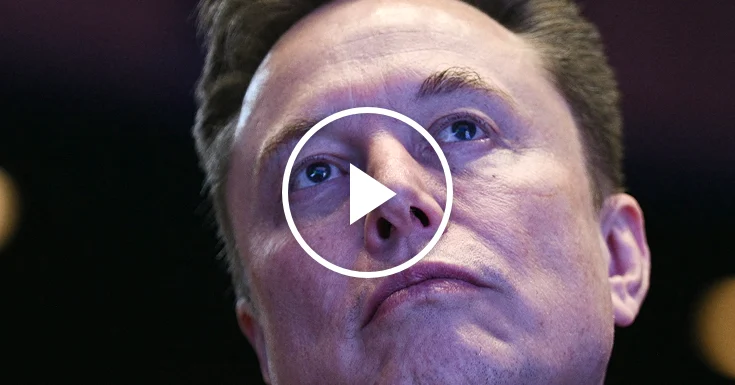
Elon Musk watched the ticker flash $500 billion as SpaceX’s shares opened on the New York Stock Exchange, a valuation that would make the company the most valuable pure‑play aerospace firm ever.
SpaceX’s initial public offering is the largest U.S. tech IPO of 2026, raising roughly $12 billion and pricing shares at $380 each.
What makes this deal uncanny is how Musk has structured it: he will retain 97% of voting power through a dual‑class share structure, leaving ordinary investors with a sliver of influence.
Why the structure matters
In a filing with the SEC, SpaceX disclosed that a new class of non‑voting shares will constitute 99% of the public float. The move mirrors the approach taken by Meta and Google, but the concentration is even tighter.
Ryan Mac, a technology reporter for The Times, notes that the design “gives Musk virtually unchecked control over strategic decisions, from Starship development to Starlink pricing.”
For a company that spends an estimated $5 billion per year on reusable launch systems, the stakes are massive. A single launch failure could wipe billions off the balance sheet, and shareholders have limited recourse.
What does this mean for everyday investors?
If Starlink reaches 1 billion subscribers, revenue could top $30 billion annually, unlocking huge upside for the public float. But the same calculators that show a $500 billion market cap also reveal risk: a slowdown in government contracts or regulatory crackdowns on satellite constellations could depress earnings dramatically.
Investors buying into the SpaceX IPO will essentially be betting on Musk’s vision of a multiplanetary future, rather than on traditional corporate governance safeguards.
Why does this matter?
Space travel is no longer a niche industry; it’s becoming a driver of global infrastructure, from broadband to lunar logistics. The IPO could set a precedent for how other ambitious, founder‑led ventures raise capital, potentially reshaping the balance between founder control and public accountability.
For anyone with a mortgage, a 401(k, or a retirement account, the ripple effect matters. If SpaceX’s stock surges, retirement portfolios could see outsized gains. If it tanks, the fallout could spill into broader market sentiment, especially in the high‑growth tech sector.
Analysts at Morgan Stanley flag the offering as “highly speculative” yet “potentially transformative” for the aerospace market.
What happens next?
The next 12 months will test whether Musk can deliver on the promise of a $100 billion Starlink revenue stream while keeping launch costs under $2,000 per kilogram.
Watch for quarterly earnings reports, launch cadence updates, and any regulatory developments around satellite megaconstellations. Those signals will dictate whether the SpaceX IPO becomes a historic windfall or a cautionary tale for founder‑centric public listings.
Stay tuned as the market digests Musk’s biggest financial gamble yet.