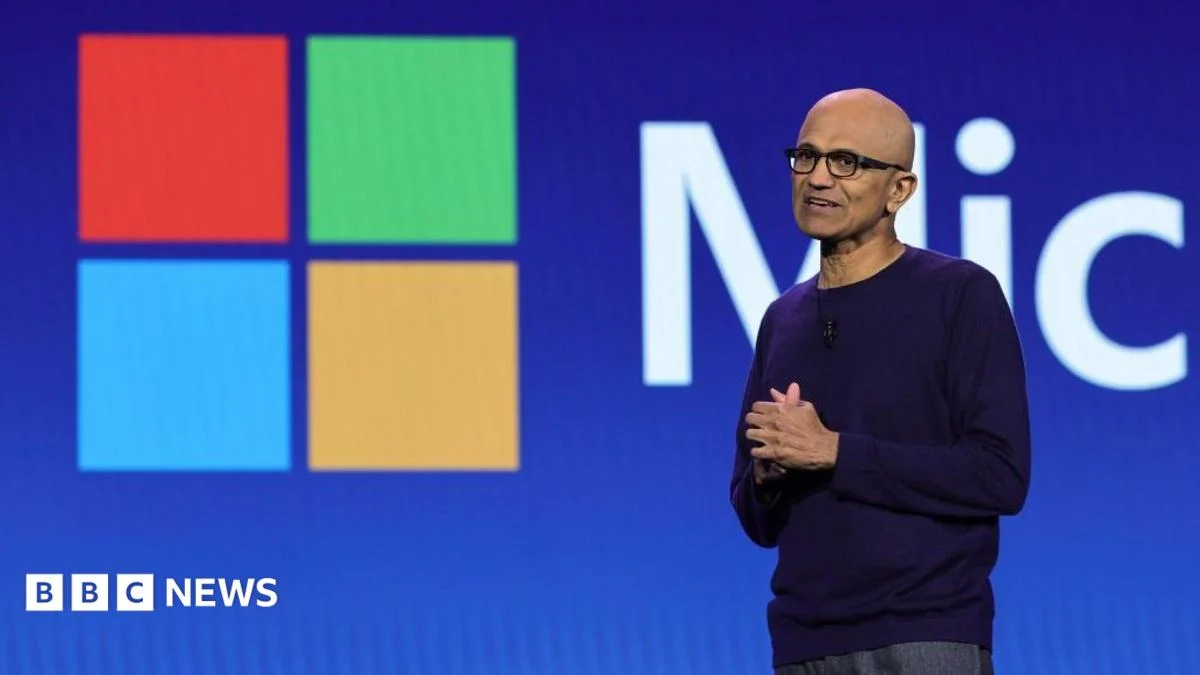
Microsoft revealed plans to offer buyouts to 60,000 employees shortly after announcing a significant increase in profits, highlighting a contrast between financial success and workforce reduction strategies. The announcement underscores ongoing trends in major technology companies balancing growth with operational efficiency.
The move follows a broader pattern of tech sector restructuring as companies aim to streamline operations while maintaining profitability amid evolving market conditions.
KEY FACTS
- Microsoft profits 60,000 buyouts offered to workers.
- Company announced 60,000 worker buyouts amid cost-curbing efforts.
- Profit surge occurred days after layoff announcement.
- Buyouts target 60,000 employees across Windows developer division.
THE STORY
What Happens Next?
Following the buyout announcement, attention shifts to how Microsoft will implement the restructuring while maintaining productivity. Industry analysts expect other tech giants may consider similar workforce adjustments if economic pressures persist.
The company did not specify which departments would be most affected, though the buyouts were linked to cost-management initiatives. Experts note that large-scale buyouts typically allow companies to reduce expenses without formal layoffs, offering voluntary exits instead.
Market observers are watching whether additional measures will follow or if this round of buyouts represents a one-time adjustment. The timing coincides with increased scrutiny of corporate spending amid global economic uncertainty.
Why Microsoft is Cutting Costs
Microsoft’s decision reflects common strategies used by major corporations to align expenses with strategic priorities. By offering voluntary buyouts, the company can reduce its workforce footprint while avoiding some legal and reputational risks associated with forced layoffs.
The Windows developer unit plays a central role in Microsoft’s software ecosystem, making changes there particularly notable. Cost-saving programs often target areas deemed less critical to core innovation or emerging growth sectors.
Financial details about the expected savings were not included in the initial announcement, leaving stakeholders awaiting further clarity on long-term budget impacts and potential effects on product development timelines.
WHAT WE KNOW — AND WHAT WE DON’T
Verified by the source:
- Microsoft plans to offer buyouts to 60,000 workers.
- The initiative aims to curb costs.
- Profits increased significantly around the time of the announcement.
Still unconfirmed:
- Exact number of departures expected through the buyout program.
- Financial impact of the restructuring on future quarters.
- Whether additional layoffs beyond buyouts are planned.
- Specific timeline for completion of the workforce reduction.
WHY IT MATTERS
Corporate restructuring among leading technology firms influences employment trends and market stability. When major employers adjust hiring practices or reduce staff, it can signal shifts in investor confidence and broader economic sentiment.
For consumers, such moves might affect product support cycles or innovation pace. For investors, announcements like these are weighed against earnings reports to assess long-term viability of company strategies.
Understanding these dynamics helps contextualize wider developments in the [economy-markets](https://www.sourcerated.com/category/economy-markets) and [tech-ai](https://www.sourcerated.com/category/tech-ai) sectors where workforce decisions carry substantial ripple effects.
WHAT TO WATCH
Stakeholders should monitor upcoming quarterly reports for details on cost savings achieved and any revisions to future hiring plans. Labor unions and advocacy groups may also respond with statements if large-scale departures materialize beyond expected levels.