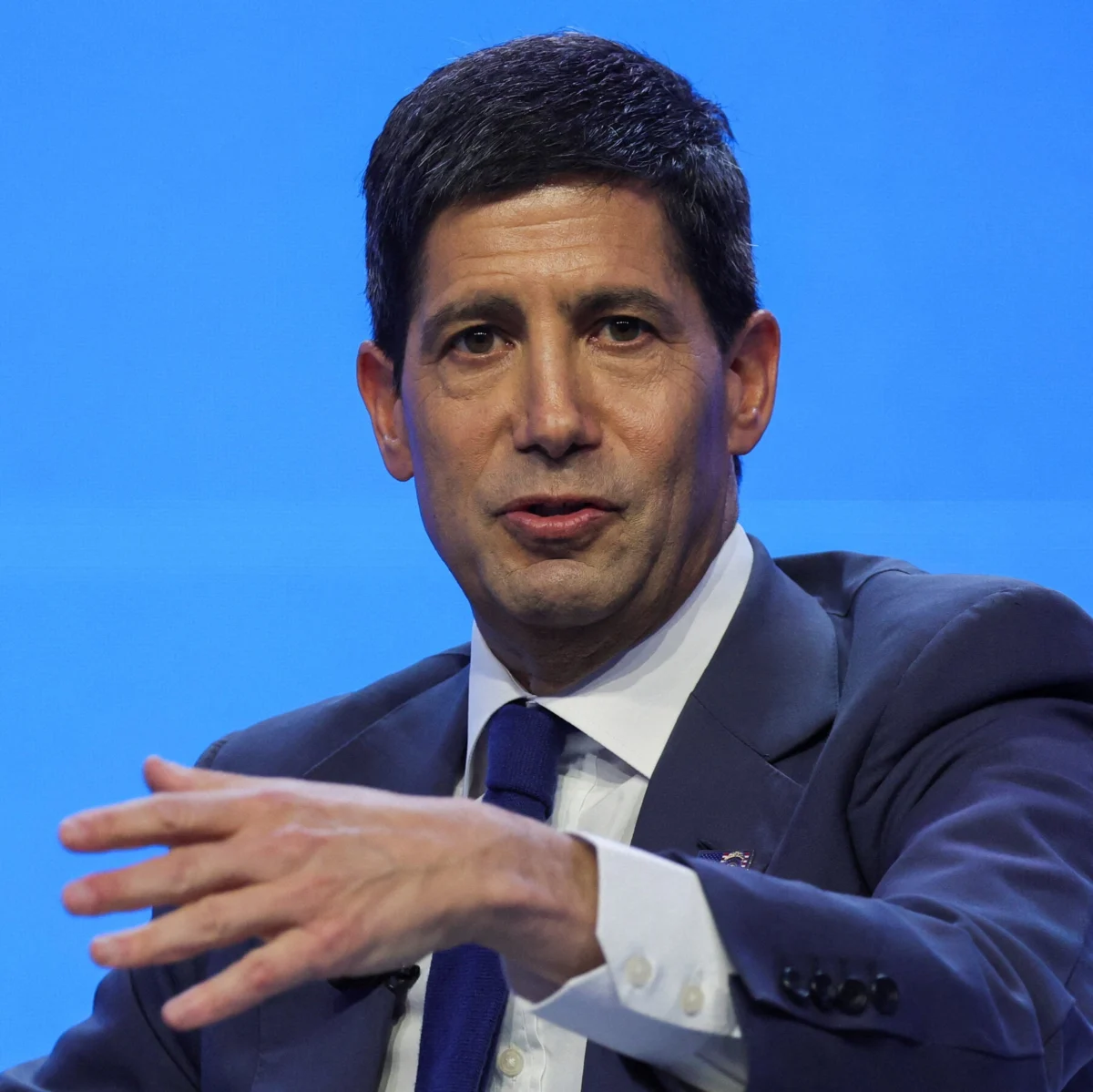
Federal Reserve Signals Pause on Policy Amid Inflation Concerns
The Federal Reserve held its benchmark interest rate steady, citing a lack of meaningful progress on inflation, according to remarks from its chair.
Kevin M. Warsh, identified in the report as the chairman of the Federal Reserve, indicated that officials will review incoming data during an upcoming information-rich period before deciding future moves. No specific rate adjustment timeline was announced.
KEY FACTS:
– Kevin M. Warsh is referenced as chairman of the Federal Reserve
– The Fed held rates steady
– Officials cited lack of progress on inflation
– An information-rich period precedes the next Fed meeting in December
Fed Interest Rates: What Happens Next?
According to the report, the next major policy decision awaits a scheduled Federal Reserve gathering in December. Warsh described the period leading up to that meeting as “information-rich,” suggesting that incoming economic data—particularly inflation indicators—will shape deliberations.
No specific thresholds or criteria were outlined by the source. However, central banks typically review monthly employment figures, consumer price reports, and GDP estimates during such intervals. Analysts often watch whether inflation trends closer to the Fed’s 2 percent target before expecting rate adjustments.
The absence of new directional guidance underscores caution. Until clearer signs of disinflation emerge, the Fed appears inclined to maintain current policy settings.
Background: Why Inflation Remains a Challenge
Fed interest rates have been central to the central bank’s inflation response since price pressures surged post-pandemic. Higher borrowing costs typically cool demand, easing inflation over time. But progress depends on wages, supply chains, and global conditions.
Inflation reflects broad economic forces. Services spending, energy markets, and labor costs often drive fluctuations. Central banks adjust rates gradually to avoid shocks while anchoring expectations.
The Fed’s dual mandate—maximizing employment and stabilizing prices—balances competing risks. Persistent inflation weighs on consumers, while rapid tightening could slow hiring. Policymakers navigate these trade-offs using evolving data sets.
What We Know — and What We Don’t
Verified by the source:
- The Federal Reserve held interest rates steady.
- Kevin M. Warsh spoke about future policy direction.
- Officials cited limited progress on inflation.
- A December Fed meeting is upcoming.
- Data review will inform next steps.
Still unconfirmed:
- The exact inflation threshold requiring rate cuts.
- Timing beyond December for further action.
- Consensus among Fed officials on pace.
- Impact of the pause on consumer borrowing.
Why It Matters
Interest rate moves affect mortgages, credit cards, savings yields, and business investment. Consumers and investors watch Fed deliberations closely because shifts can ripple across wages, stock markets, and household budgets nationwide.
What To Watch
Analysts expect clarity after the December meeting; the Fed has not signaled immediate changes.