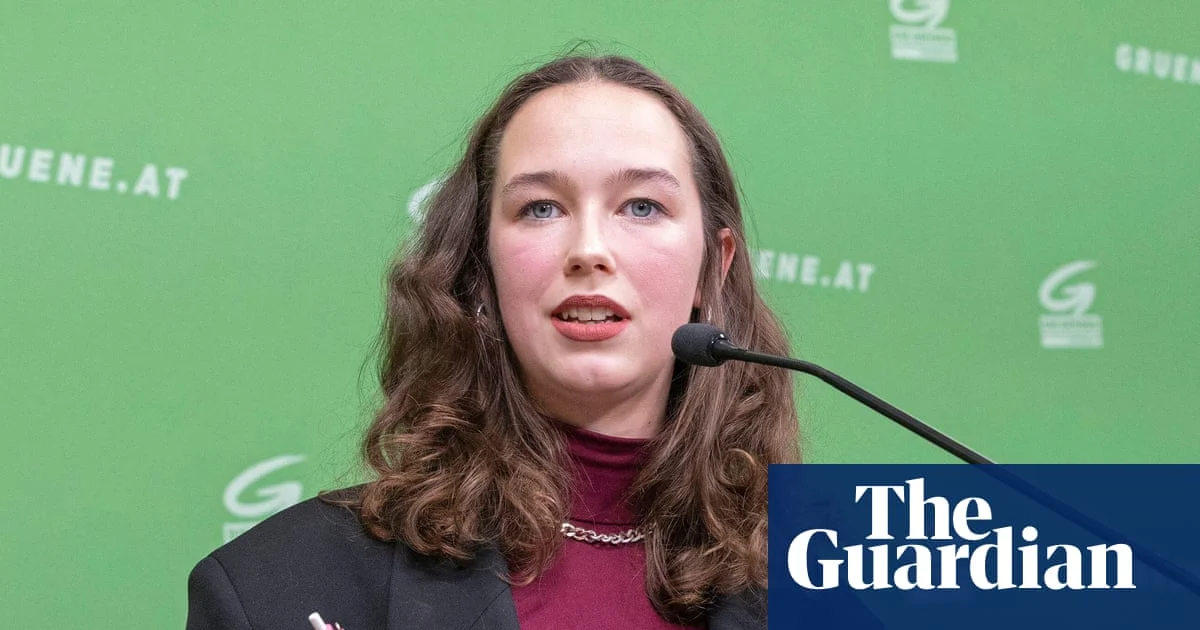
Lede: Austrian MEP Lena Schilling has spoken out after discovering nude deepfakes of herself circulate online without her consent, describing the experience as digital violence and urging the EU to act. She learned last month that altered images of her had been created and distributed, prompting her public statement on the threat such content poses to women and democracy.
Leda Schilling of the Austrian Greens told how opening links led her to digitally altered versions of images from one of her earliest press conferences, in which her clothing had been removed. She characterized the creation and spread of nude deepfakes as digital violence against women and called on the EU to strengthen protections and legislation around synthetic media.
Key Facts
- Austrian MEP Lena Schilling spoke publicly about nude deepfakes of herself.
- She described nude deepfakes as “digital violence against women.”
- The images were digitally altered from one of her earliest press conferences.
- She learned about the nude deepfakes circulating online last month.
- A report found one in six female MEPs were targeted by sexualised AI-generated content.
How did this happen?
Schilling said she discovered the nude deepfakes last month after opening links that showed altered versions of images from one of her first press conferences. Rather than her original attire, the digitally manipulated images had removed her clothing. She described the moment as one of disgust and violation, framing the synthetic imagery as a form of digital violence targeting women in public life.
Who is affected?
Schilling’s experience reflects a broader pattern. According to reporting, a study found that one in six female members of the European Parliament have been targeted by sexualised AI-generated content. That figure underscores how synthetic media is increasingly being weaponised against women in politics, raising concerns about privacy, harassment, and the ability of public figures to control their own image.
What happens next?
Schilling has called on the EU to take stronger action over synthetic media and consent-based image manipulation. Lawmakers are already grappling with how to regulate generative AI tools that can produce realistic but false imagery. Advocates say clearer legal frameworks could help protect individuals, particularly women, from non-consensual deepfake content that spreads rapidly online.
What We Know — and What We Don’t
Verified by the source:
- An Austrian MEP named Lena Schilling spoke publicly about nude deepfakes of herself.
- She described the content as digital violence against women and a threat to democracy.
- The altered images originated from one of her early press conferences.
- She discovered them last month.
- One in six female MEPs were reportedly targeted by sexualised AI-generated content.
Still unconfirmed:
- The identity or hosting platform behind the nude deepfakes.
- Whether any legal action has been taken.
- The name and publication date of the report cited.
- Specific EU proposals Schilling supports.
Why It Matters
The rise of AI-generated synthetic media poses new challenges for privacy, reputation, and gender equality. As generative tools become more accessible, non-consensual intimate imagery can spread quickly, disproportionately affecting women in public roles. This story highlights growing pressure on lawmakers to update laws and platform policies to protect individuals from digital impersonation and abuse.
Meta description: Austrian MEP Lena Schilling condemned nude deepfakes as digital violence and urged the EU to act after altered images circulated online.
What to Watch
Future developments may include new EU proposals on synthetic media regulation and responses from digital platforms on removing non-consensual deepfake content.