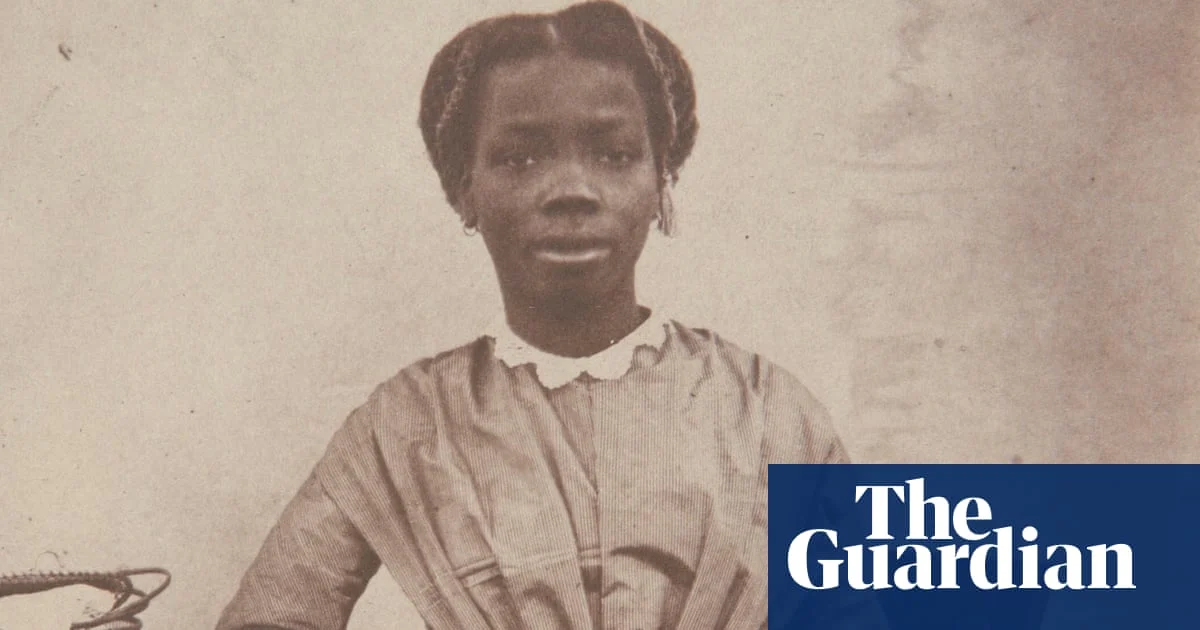
A new biography of Sarah Forbes Bonetta, the woman presented to Queen Victoria as a diplomatic gift, has been welcomed by her descendant. Bayo Randle’s great-great-grandmother was given to the British monarch after being captured by an African king as a child.
The book details how Queen Victoria became guardian to Bonetta, paying for her education and later approving her marriage to one of West Africa’s wealthiest men. Victoria also served as godmother to Bonetta’s eldest daughter, underscoring a relationship that spanned continents and decades.
KEY FACTS
- Bayo Randle’s great-great-grandmother was Sarah Forbes Bonetta;
- Bonetta was captured by an African king and taken to England;
- She was presented to Queen Victoria at Windsor Castle as a “diplomatic gift”;
- Victoria paid for Bonetta’s education and approved her marriage;
- Victoria became godmother to Bonetta’s eldest daughter.
What happened to Sarah Forbes Bonetta?
According to the source, Bonetta was taken from her home in West Africa after being captured by a local ruler. She was brought to England and formally handed over to Queen Victoria at Windsor Castle when she was seven years old. Historians have long debated the circumstances surrounding such “gifts,” often framed as acts of diplomacy but involving the forced removal of children and adults. The biography explores how Bonetta navigated court life in Victorian England while maintaining ties to her African heritage.
The practice of gifting individuals was not uncommon during the colonial era, particularly between African rulers seeking alliances with European powers and British officials who accepted these offerings as tokens of friendship. These exchanges were deeply embedded in imperial politics, often masking coercive dynamics under the guise of diplomacy. Bonetta’s story highlights the complexity of identity formation in a colonial context, where personal agency intersected with systemic power structures.
Who was affected by this arrangement?
Queen Victoria assumed a direct role in shaping Sarah Forbes Bonetta’s future, taking responsibility for her upbringing and education. This included arranging her marriage to one of West Africa’s wealthiest men, reflecting the queen’s broader influence over both domestic and imperial affairs. Bonetta’s descendants today, including Bayo Randle, continue to carry forward her legacy through public engagement and scholarly interest.
The impact extended beyond family lineage; Bonetta’s life became emblematic of cross-cultural interactions during the height of British imperialism. Her portrait hung in royal collections, and she moved within elite circles that included nobles, politicians, and reformers. Yet her status remained ambiguous—neither fully free nor entirely enslaved—revealing tensions inherent in Britain’s evolving stance on slavery and civil rights in the 19th century.
What We Know — and What We Don’t
Verified by the source:
- Bayo Randle’s great-great-grandmother was Sarah Forbes Bonetta;
- Bonetta was captured by an African king and taken to England;
- She was presented to Queen Victoria at Windsor Castle as a “diplomatic gift”;
- Victoria paid for Bonetta’s education and approved her marriage;
- Victoria became godmother to Bonetta’s eldest daughter.
Still unconfirmed:
- The exact year of Bonetta’s presentation to the queen;
- The specific African kingdom responsible for her capture;
- Details about Bonetta’s daily life at court;
- Whether other members of her family were also displaced.
Why It Matters
This biography contributes to ongoing efforts to recover marginalized voices in global history, especially those of African women whose stories were shaped by colonial encounters. By centering Bonetta’s experience, it invites reflection on how personal legacies intersect with institutional power. Learn more about historical narratives explored in war-geopolitics coverage.
What To Watch
The biography’s release may prompt renewed academic debate about repatriation and historical accountability regarding former colonies. Further documentation could clarify remaining questions about Bonetta’s origins and fate post-presentation.