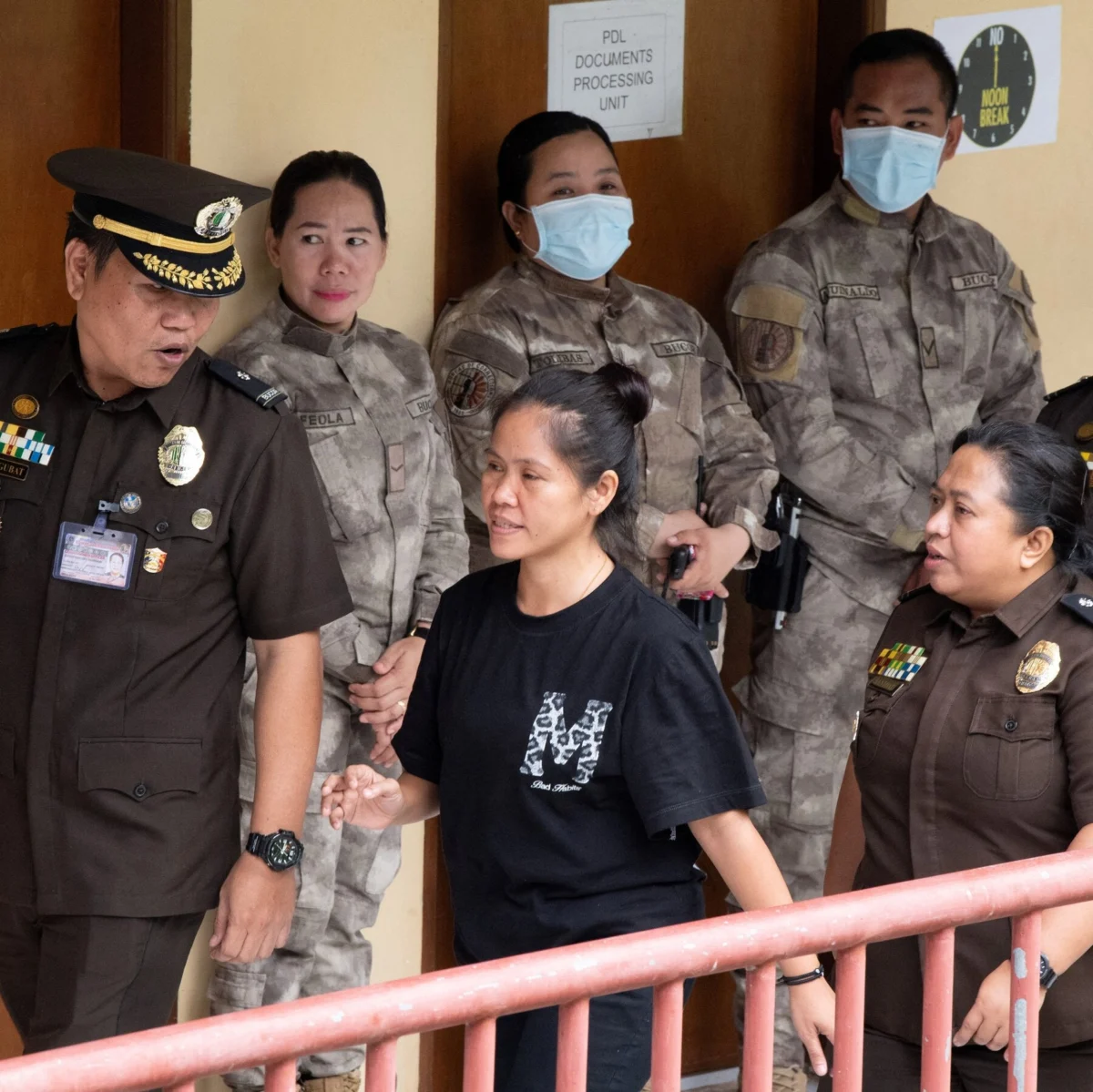
Mary Jane Veloso, once sentenced to death for drug smuggling, has received a pardon in the Philippines. The pardon comes more than a decade after her conviction, which had once led to a near-execution by firing squad in Indonesia. Her case drew international attention and sparked debates over capital punishment and clemency.
The developments highlight ongoing tensions surrounding drug-related offenses and the death penalty across Southeast Asia. Veloso’s story has become a focal point for human rights discussions and diplomatic relations between the Philippines and Indonesia.
KEY FACTS
- Mary Jane Veloso was convicted of drug smuggling.
- She nearly faced execution by firing squad in Indonesia.
- She was pardoned in the Philippines on Friday.
- The pardon came more than a decade after her initial sentencing.
What happened to Mary Jane Veloso?
Mary Jane Veloso was convicted of drug smuggling and faced severe consequences under anti-narcotics laws. Her case gained global attention due to its connection with capital punishment. She was once scheduled to be executed by firing squad in Indonesia, a punishment reserved for serious drug-related crimes in some jurisdictions.
The turning point came when she received a pardon from Philippine authorities. This act of clemency reflects the complex relationship between legal systems and mercy in cases involving foreign nationals and cross-border crimes. A pardon does not erase the conviction but offers a path toward reintegration into society.
Her case underscores how individual stories intersect with broader geopolitical and judicial trends. Drug enforcement policies vary widely across nations, and clemency decisions often carry symbolic weight regarding justice reform.
Who is affected by the Mary Jane Veloso pardon?
The pardon impacts Veloso herself, her family, and advocacy groups focused on criminal justice and human rights. It also resonates with citizens in both the Philippines and Indonesia who have followed her case closely over the years.
Families of other prisoners may see this as a precedent for seeking similar mercy. International organizations monitoring capital punishment might reassess their stance based on evolving clemency patterns. The decision sets a tone for future diplomatic engagements concerning detained nationals abroad.
Moreover, lawmakers in countries with strict drug laws could reconsider sentencing frameworks. Public opinion plays a role too, as high-profile cases shape discourse around fairness and redemption within judicial systems worldwide.
What We Know — and What We Don’t
Verified by the source:
- Veloso was convicted of drug smuggling.
- She nearly faced execution via firing squad in Indonesia.
- She was officially pardoned in the Philippines.
Still unconfirmed:
- The exact reason behind the timing of the pardon remains undisclosed.
- Details about her current legal status post-pardon are not specified.
- Official reactions from Indonesian authorities have not been reported.
Why It Matters
This pardon enters a long-running debate about the use of capital punishment in Southeast Asia, where drug trafficking carries maximum penalties. Clemency decisions like this influence regional norms and signal shifts in policy priorities, especially among nations with strong anti-drug stances.
What To Watch
Observers will watch whether this pardon influences pending cases or prompts further legislative changes regarding drug-related offenses and clemency procedures.