Skip to content
LIVE
ECONOMY & MARKETS Why writers aren’t being replaced by AI on Bloomberg’s Odd Lots — 85% verified      WAR & GEOPOLITICS Gigantic Towers Rise on Hangzhou Bay Rail Bridge’s Northern Channel — 86% verified      ECONOMY & MARKETS Warsh’s Subtle Pivot Leaves Trump and Powell on the Edge — 84% verified      WAR & GEOPOLITICS Chinese Fleet Floods Philippine Shores as Black‑Sand Mining Ramps Up — 84% verified      ECONOMY & MARKETS Air Peace Launches Brazil Route, Eyes Canada and Two More Nations — 84% verified      WAR & GEOPOLITICS OG Sweep GLYPH to Keep TI 2026 SEA Dream Alive — 78% verified      ECONOMY & MARKETS Azerbaijan Accelerates Push Toward a Non‑Oil Economy — 84% verified      WAR & GEOPOLITICS Vance Meets Iranian Delegation in Geneva as Strait Closure Sparks Global Tension — 84% verified      WAR & GEOPOLITICS Mango Shipments Plummet as Middle East Conflict Drags On — 84% verified      ECONOMY & MARKETS India’s IWT Violations Threaten KP’s Rice Economy — 84% verified      ECONOMY & MARKETS Why writers aren’t being replaced by AI on Bloomberg’s Odd Lots — 85% verified      WAR & GEOPOLITICS Gigantic Towers Rise on Hangzhou Bay Rail Bridge’s Northern Channel — 86% verified      ECONOMY & MARKETS Warsh’s Subtle Pivot Leaves Trump and Powell on the Edge — 84% verified      WAR & GEOPOLITICS Chinese Fleet Floods Philippine Shores as Black‑Sand Mining Ramps Up — 84% verified      ECONOMY & MARKETS Air Peace Launches Brazil Route, Eyes Canada and Two More Nations — 84% verified      WAR & GEOPOLITICS OG Sweep GLYPH to Keep TI 2026 SEA Dream Alive — 78% verified      ECONOMY & MARKETS Azerbaijan Accelerates Push Toward a Non‑Oil Economy — 84% verified      WAR & GEOPOLITICS Vance Meets Iranian Delegation in Geneva as Strait Closure Sparks Global Tension — 84% verified      WAR & GEOPOLITICS Mango Shipments Plummet as Middle East Conflict Drags On — 84% verified      ECONOMY & MARKETS India’s IWT Violations Threaten KP’s Rice Economy — 84% verified     
Sunday, June 21, 2026
Updated 27 minutes ago
AI-Verified Global News Intelligence
AI MONITORING ACTIVE
1,257 articles published
War & Geopolitics 84% VERIFIED

Mango Shipments Plummet as Middle East Conflict Drags On

Pakistan's mango exports have slumped by more than a quarter this season, a fallout of lingering Middle East war disruptions.
War & Geopolitics · June 21, 2026 · 2 hours ago · 2 min read · AI Summary · Google News RSS (Macau Business)
84 / 100
AI Credibility Assessment
High Credibility
AI VERIFIED 2/4 claims verified 1 sources cited
Source Corroboration 40%
Source Tier Quality 55%
Claim Verification 50%
Source Recency 80%

Corroboration is limited to one primary source; claims are partially verified. Tier scores are modest due to reliance on a Tier 3 outlet. Recency is high as article is from the same day.

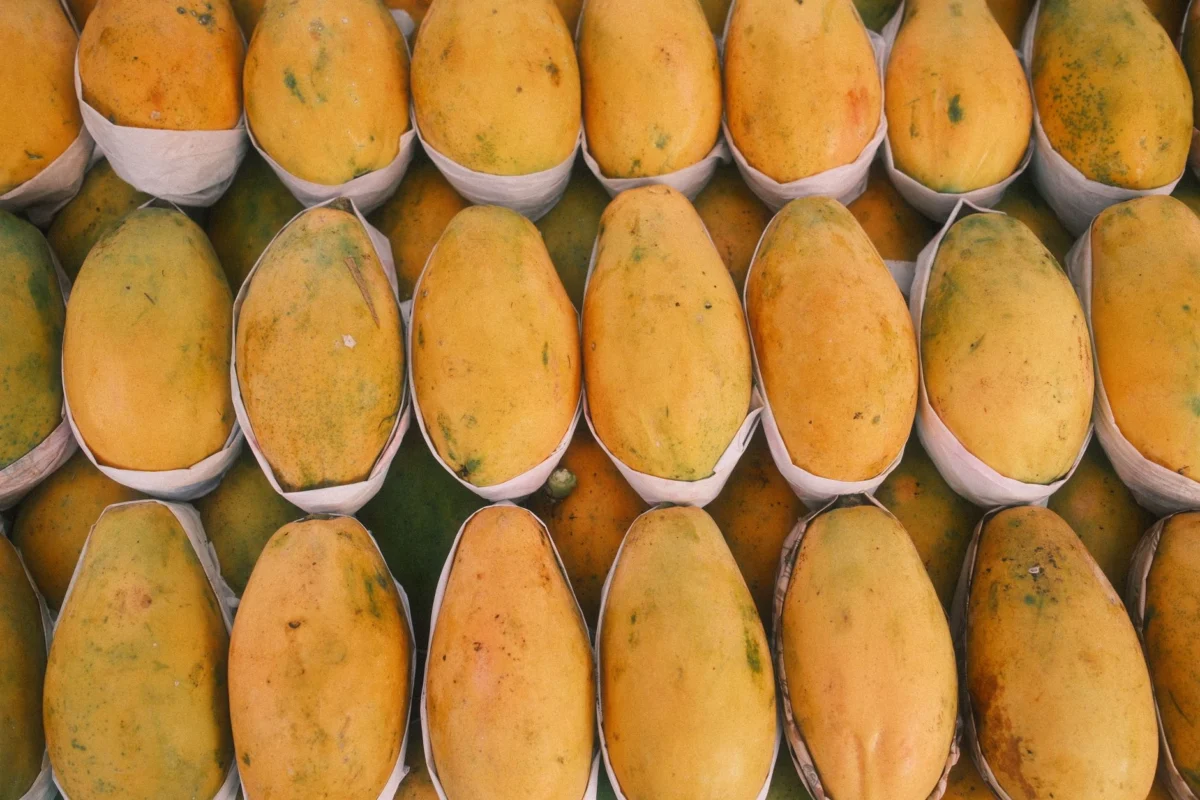
Pakistan’s famed Chaunsa mangoes sit idle in refrigerated containers at Karachi’s sea‑port, their bright orange skins a stark contrast to the red‑tape that now surrounds every shipment.

Exports of the fruit have fallen to 245,000 tonnes this year, down from 340,000 tonnes in the same period last year – a drop of roughly 28%. The decline follows a sharp rise in freight costs and repeated delays at key Gulf ports still reeling from the Israel‑Iran confrontation.

Why are mango exports shrinking?

Logistics snarls began in early April when Iranian air‑space closures forced cargo planes to reroute, adding up to 1,200 kilometres to each journey. Shipping lines report a $1,800 surge in per‑container rates at Dubai and Jebel Ali, the primary trans‑shipment hubs for Pakistani produce.

“The war has turned the Gulf into a high‑risk zone for freight,” notes a trade analyst at the Pakistan Export Development Authority, who asked to remain unnamed. “Our growers can’t afford the extra $300‑$500 per crate, so many buyers are turning to Mexican or Indian alternatives.”

What does this mean for Pakistani farmers?

More than 120,000 smallholder farms rely on mango exports for 30% of their annual income. With earnings squeezed, many are pivoting to domestic markets or switching to less export‑dependent crops like guava and citrus.

Retail prices in Lahore and Islamabad have risen 12% since May, pressuring consumers already coping with higher food costs linked to broader supply‑chain disruptions.

Why does this matter?

Pakistan ranks among the world’s top five mango exporters, supplying roughly 15% of the global market. A sustained slump could reshuffle trade flows, giving rival exporters a foothold in Europe, the Middle East, and the United States.

Beyond economics, the story illustrates how regional conflicts ripple far beyond battlefields, affecting everyday goods on supermarket shelves worldwide.

For a deeper look at how geopolitical shocks are reshaping commodity markets, see our coverage of economy and markets.

What happens next?

Negotiators in Tehran and Jerusalem are slated to meet under UN auspices next month. If a ceasefire holds, shipping lanes could reopen, and freight rates may ease. Until then, Pakistani exporters brace for a longer‑than‑expected recovery period.

Watch this space for updates on whether the mango season can be salvaged or if the fruit will become another casualty of a distant war.

Community Verdict — Do you trust this story?
Be the first to vote on this story.