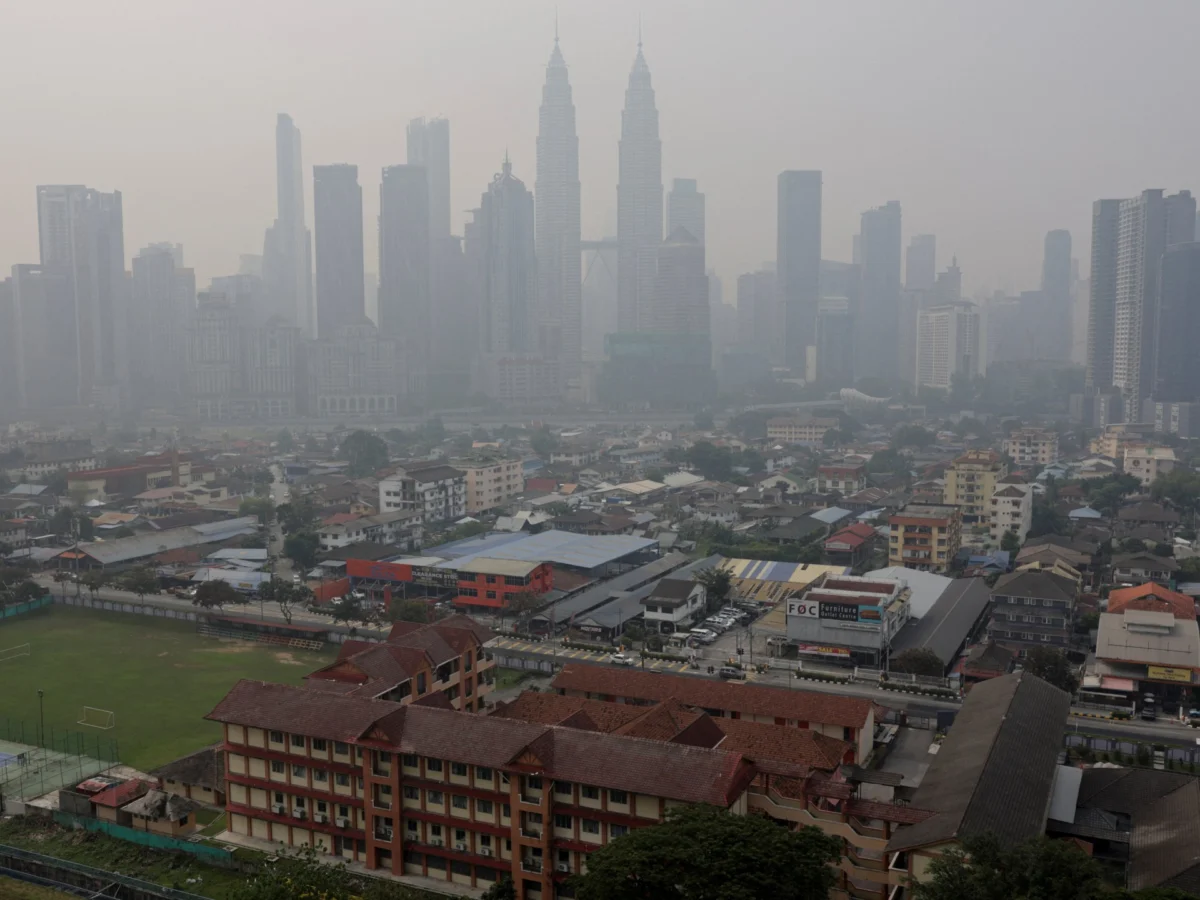
Malaysia has shut schools as unhealthy air quality from Indonesian fire haze grips Southeast Asia, according to Al Jazeera reports. The haze originates from forest fires in Indonesia and has pushed Malaysia’s Air Pollutant Index to unhealthy levels.
The decision to close schools reflects deteriorating air quality caused by transboundary smoke pollution linked to land-clearing fires in Indonesia. Officials have not specified how many schools are affected or for how long closures will last, but the move signals growing concern over public health risks.
Key Facts
- Malaysia shuts schools due to hazardous air quality from Indonesian fires.
- Kuala Lumpur reports unhealthy Air Pollutant Index readings amid smog.
- Haze stems from forest or land-clearing fires in Indonesia.
- Regional air quality impacts parts of Southeast Asia beyond Malaysia.
- Health warnings likely in effect for vulnerable populations.
Who Is Affected?
Schoolchildren and students are immediately impacted by the closures, though exact numbers remain unconfirmed. Broader public health risks include respiratory discomfort, particularly among children, elderly individuals, and those with asthma or other lung conditions.
Businesses may also face reduced productivity if outdoor workers are restricted or if visibility drops significantly. Schools often serve as key public spaces during emergencies, so their closure can disrupt family routines and childcare arrangements.
How Did We Get Here?
The recurring issue of haze from Indonesian fires is tied to seasonal dry weather and land-use practices involving slash-and-burn clearing. Fires typically spike during drought periods when plantation companies clear land rapidly, sometimes illegally.
Transboundary haze events have strained diplomatic relations between Malaysia, Indonesia, and Singapore for decades. Regional cooperation frameworks exist, including the Association of Southeast Asian Nations (ASEAN) agreement on Transboundary Haze Pollution, but enforcement remains inconsistent.
What Happens Next?
No official timeline has been provided for school reopenings or improvements in air quality. Meteorological forecasts could offer clarity on whether wind patterns will help disperse smoke or prolong exposure.
The situation may prompt renewed calls for coordinated regional action to prevent future fires. Pressure could mount on both Indonesian authorities and concession holders to strengthen monitoring and sanctions.
What We Know — and What We Don’t
Verified by the source:
- Schools in Malaysia were closed due to poor air quality from haze.
- The haze originates from fires in Indonesia.
- Kuala Lumpur’s Air Pollutant Index reached unhealthy levels.
Still unconfirmed:
- Total number of schools closed or duration of closures.
- Exact date when the spike in AQI occurred.
- Identity or statement from responsible officials.
- Meteorological causes behind fire outbreaks.
- Measures taken by Indonesia to address fire sources.
Why It Matters
Recurrent haze episodes highlight long-standing environmental governance gaps and underscore the urgent need for sustainable land management policies across Southeast Asia. Public health systems bear recurring strain, while economic losses mount from disrupted travel, farming, and industry.
What To Watch
Updates from ASEAN or national agencies on fire containment efforts and potential policy responses will shape whether similar incidents recur next season. Citizens and media alike are watching for clarity on protective measures.
Malaysia closed schools as Indonesian fire haze raised air pollution to unhealthy levels, highlighting ongoing transboundary smoke challenges in Southeast Asia.