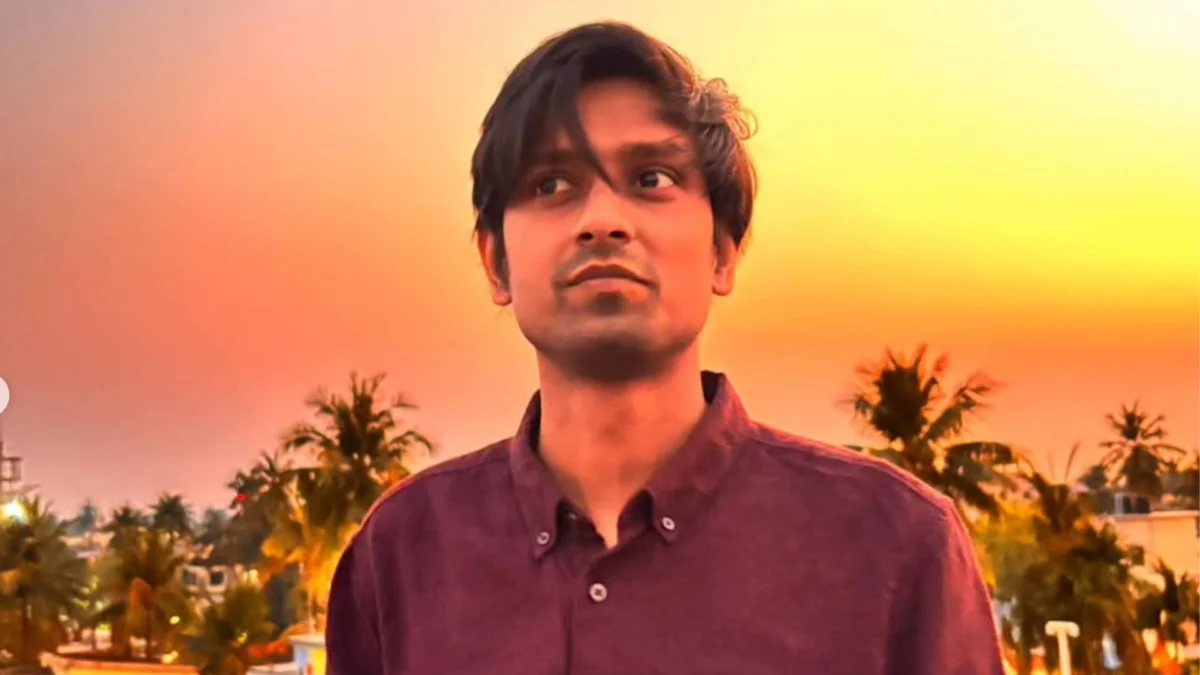
Increasing reports indicate that Indian artists are encountering censorship, with satirical content and online criticism being removed under newly introduced rules. This trend coincides with growing anti-Modi protests, which appear to be met with tighter control over public discourse. Indian artists find themselves navigating an increasingly restrictive environment for creative and political expression.
The situation suggests a pattern of silencing dissent through administrative or legal measures targeting digital platforms and independent voices. As protests continue to challenge Prime Minister Narendra Modi’s policies, authorities are accused of using broad regulations to suppress opposition narratives. These dynamics raise questions about the state of free speech in the country.
Key Facts
- Satirical content and online critiques are being removed under new rules.
- New Delhi is accused of silencing dissent as anti-Modi protests grow.
- Indian artists face increasing restrictions on creative and political expression.
What Is Being Removed?
Reports indicate that a range of content created by Indian artists and activists is being taken down. This includes satirical posts, videos, articles, and social media commentary critical of government actions or policies. The removals are said to occur under the framework of new digital guidelines or emergency-style regulations introduced in recent months.
These rules, while officially justified as necessary for maintaining public order or national security, have drawn criticism for their vague language and potential misuse. Critics argue that the lack of transparent oversight enables selective enforcement aimed at stifling opposition voices rather than addressing genuine threats.
For Indian artists, many of whom rely heavily on social media and online platforms to reach audiences, the impact can be immediate. Account suspensions, content deletions, and reduced visibility hinder efforts to share dissenting views or mobilize support for protest movements.
Who Is Affected?
The crackdown appears to affect a wide range of individuals, including independent journalists, cartoonists, filmmakers, musicians, and other cultural figures known for their critical stances. Many operate outside traditional media structures and depend on digital spaces to express opinions freely.
Legal experts note that several cases involve charges of sedition or violations of cybersecurity laws—penalties that carry heavy fines or imprisonment. While such laws exist in many democracies, their application here raises concerns about proportionality and intent, especially when applied to peaceful forms of expression like satire or commentary.
Some artists have relocated abroad or shifted to anonymous accounts to continue working. Others have self-censored, limiting what they post publicly even if not directly targeted. The long-term effect may reshape India’s vibrant tradition of artistic dissent and critique.
How Did We Get Here?
Anti-Modi protests have gained momentum over issues such as economic inequality, religious tensions, agricultural reforms, and perceived erosion of democratic norms. In response, government institutions and allied bodies have moved to tighten controls on information flows, citing national interest considerations.
New amendments to telecommunications rules, press council directives, and data protection frameworks have expanded powers available to regulators and law enforcement agencies. Supporters say these steps are needed to counter misinformation and ensure responsible speech; opponents see them as tools for suppressing legitimate debate.
Al Jazeera reports that Indian artists are among those experiencing heightened scrutiny, particularly those whose work reaches wide audiences online. The broader implication points to a shrinking space for dissent in one of the world’s largest democracies.
What We Know — and What We Don’t
Verified by the source:
- Indian artists report facing censorship of satirical and critical content.
- New rules are cited as enabling removal of online critiques.
- Accusations link censorship to growing anti-Modi protests.
Still unconfirmed:
- Specific identities of affected artists or officials issuing takedowns.
- Exact legal provisions used for content removals.
- Official statements from the government addressing these claims.
Why It Matters
This story reflects global concerns about how democratic societies balance security needs against fundamental freedoms during periods of political tension. When artists and dissidents are silenced, it impacts not only individual rights but also the health of civic dialogue essential for accountability.
What To Watch
Further developments will depend on whether independent investigations emerge or if additional evidence surfaces regarding specific instances of censorship involving Indian artists and online platforms.
Meta description: Indian artists report censorship of satirical content amid anti-Modi protests, raising concerns over growing restrictions on free speech.