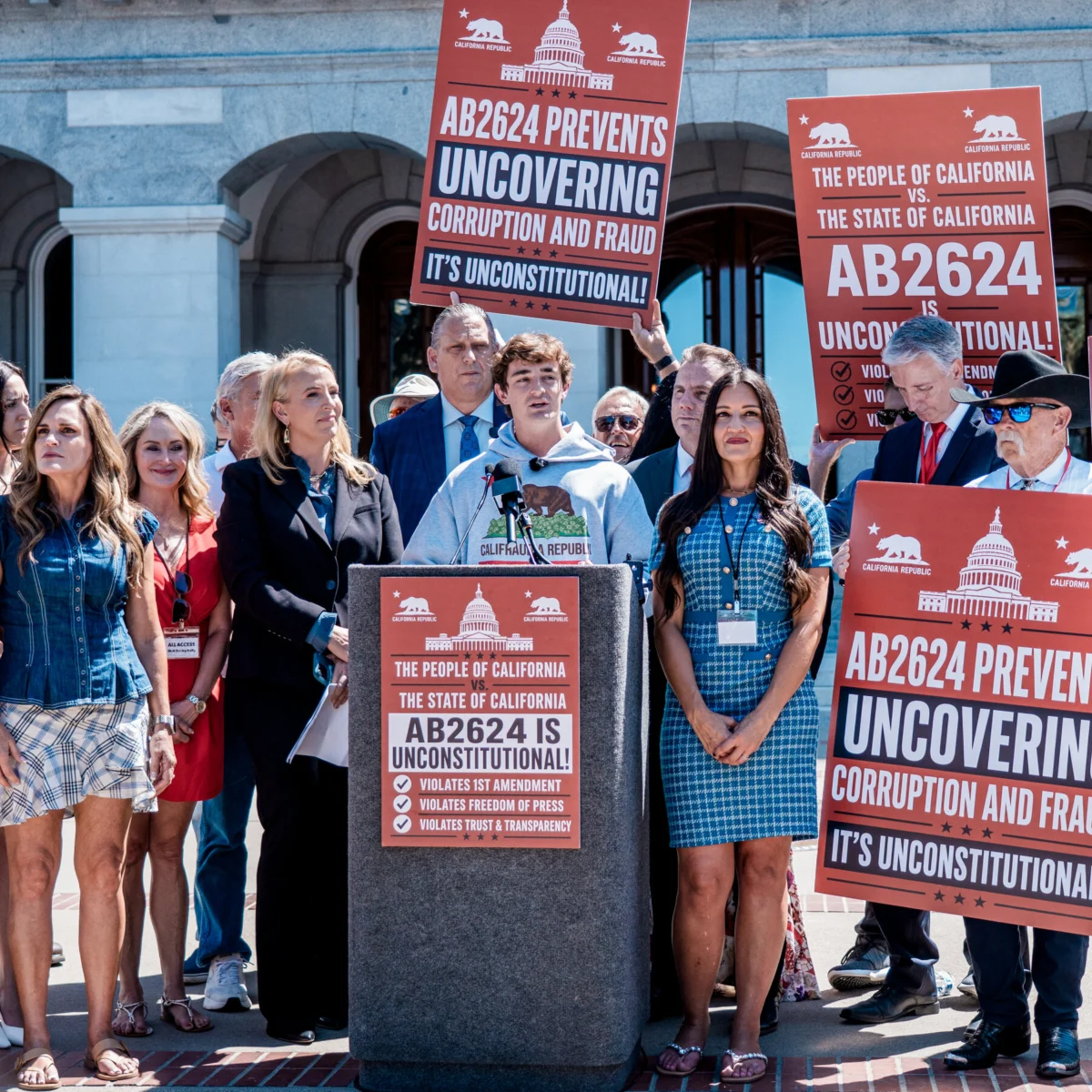
A proposed California bill to protect the privacy of immigration aid workers has unexpectedly become a free speech flashpoint after conservative activists falsely claimed it targeted right-wing YouTube personality Nick Shirley. Democrats allege the controversy is being driven by deliberate misinformation campaigns.
The measure, originally intended to shield workers who assist immigrants from harassment, gained a misleading nickname that turned it into a rallying cry for free speech advocates in MAGA circles. The bill’s proponents argue the outrage is based on false claims about its purpose.
KEY FACTS
- A California privacy bill for immigration workers triggered backlash after being nicknamed the ‘Stop Nick Shirley Act’.
- Right-wing supporters of YouTube star Nick Shirley framed it as a free speech issue.
- Democrats claim the backlash is fueled by misinformation about the bill’s actual intent.
How Did a Privacy Bill Become a Free Speech Battle?
The legislation was designed to prevent the disclosure of personal information of those assisting immigrants with legal services. However, some conservative figures falsely portrayed it as silencing critics of illegal immigration, particularly targeting Shirley. While the bill does not mention him, his supporters have amplified claims that it threatens conservative voices.
What Sparks the Misinformation?
The bill’s opponents, largely aligned with MAGA politics, have framed it as an attack on free speech, despite its focus on privacy protections. Democrats allege these claims are misleading, as the bill does not restrict criticism of immigration policy. Shirley, known for provocative commentary, has not been directly affected by the legislation, but his online following has mobilized against it.
WHAT WE KNOW — AND WHAT WE DON’T
Verified by the source:
- The bill aims to protect immigration aid workers from harassment.
- Conservatives have incorrectly associated it with silencing Nick Shirley.
- Democrats blame misinformation for the backlash.
Still unconfirmed:
- Whether Shirley or his supporters intentionally spread misinformation.
- How widespread the opposition to the bill is beyond online activism.
- How likely the bill is to pass amid the controversy.
WHY IT MATTERS
The dispute underscores how misinformation can amplify political divides, turning legislative debates into cultural flashpoints. Privacy protections and free speech concerns are both vital in a polarized climate, but distortions risk derailing substantive discussions.
WHAT TO WATCH
Whether revisions or clarifications to the bill will reduce tensions, or if the nickname-fueled opposition continues to dominate the debate.