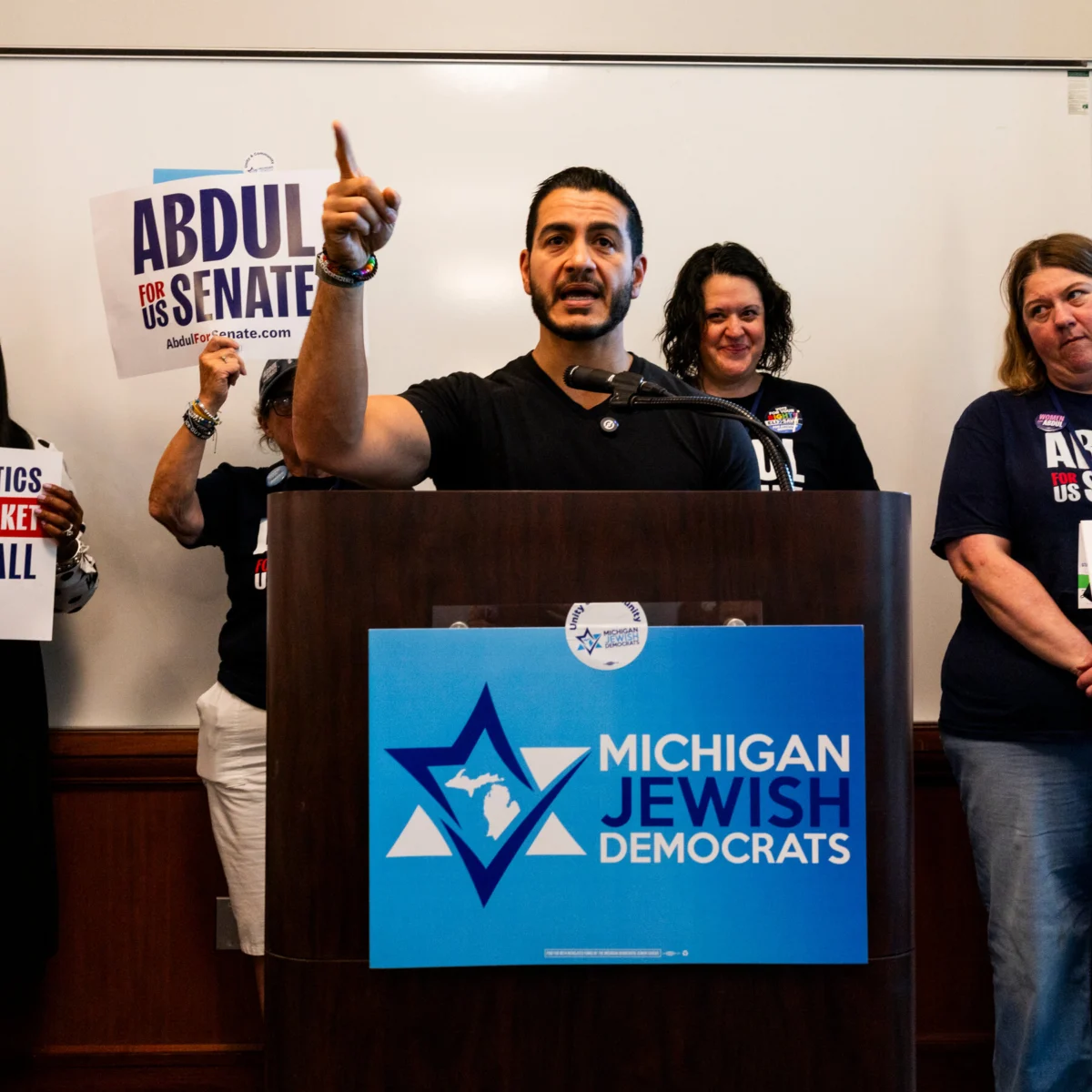
Dr. Abdul El-Sayed, the Democratic Senate nominee in Michigan, has apologized for a comment he made about a Michigan synagogue attack. The remark, “hurt people hurt people,” drew criticism from Jewish Democrats.
The incident highlights the sensitivity of political discourse, particularly when addressing acts of violence. El-Sayed’s apology underscores the importance of careful communication in public office, especially concerning issues of communal safety and religious sensitivity.
Key Facts
- Dr. Abdul El-Sayed is the Democratic Senate nominee in Michigan.
- He faced criticism from Jewish Democrats for his comment about a synagogue attack.
- El-Sayed remarked, “hurt people hurt people.”
- He has since apologized for the comment.
What Prompted the Apology?
El-Sayed’s comment, “hurt people hurt people,” was made in March in reference to a Michigan synagogue attack. The remark was perceived by some as dismissive or insensitive, leading to criticism from Jewish Democrats.
Who is Affected?
The controversy primarily affects El-Sayed’s political campaign and his relationship with Jewish voters in Michigan. The critique from Jewish Democrats suggests potential challenges in garnering support from this key demographic.
What We Know — and What We Don’t
Verified by the source:
- Dr. Abdul El-Sayed is the Democratic Senate nominee in Michigan.
- He made the comment “hurt people hurt people” in March.
- Jewish Democrats criticized the comment.
- El-Sayed has apologized for the remark.
Still unconfirmed:
- The exact context and full statement surrounding El-Sayed’s comment.
- The specific reactions from other political figures or organizations.
- The long-term impact on El-Sayed’s campaign.
Why It Matters
This incident emphasizes the delicate balance politicians must maintain when discussing sensitive issues, especially those involving violence and religion. Missteps in communication can lead to significant political consequences, affecting both public perception and electoral success.
What To Watch
Observers will monitor the impact of this apology on El-Sayed’s campaign and his ability to maintain support among Jewish voters in Michigan. Further responses from political figures and organizations may also provide additional context.